
INSIGHTS
The 50-Bed Milestone: Operational Systems for Mid-Size Facilities
There's something magical about hitting 50 beds. Not in a champagne-and-confetti way, but in the sense that your entire operation fundamentally shifts. You're no longer running a boutique facility where everyone knows everyone's name. You're not quite a corporate behemoth either. You're in this weird middle ground where the systems that got you here absolutely won't get you where you need to go.
And honestly? Most owners hit this milestone and realize their operational infrastructure is held together with duct tape and good intentions.
Let's talk about what actually needs to change when you scale to 50 beds, and more importantly, how your marketing approach needs to evolve right alongside your operations.
The Reality Check: You're Not Small Anymore
When you're running a 12-bed or even 25-bed facility, you can get away with a lot. Your clinical director can also handle admissions coordination. Your owner can jump on marketing calls. Everyone wears multiple hats, and it works because the operation is still manageable.
At 50 beds? That approach will burn your team out in about 90 days.
According to SAMHSA's treatment facility guidelines, facilities with 50+ beds require dedicated department heads across clinical operations, admissions, business development, and compliance. This isn't just bureaucratic bloat, it's about sustainability and risk management.
You need real systems now. Not spreadsheets with multiple tabs that only one person understands. We're talking about integrated software platforms, documented processes, and redundancy built into every critical function.
Operational Systems That Actually Scale
Here's what needs to be in place operationally when you hit 50 beds:
Clinical Management Infrastructure:
- EMR system that handles increased patient volume without crashing
- Automated medication administration tracking
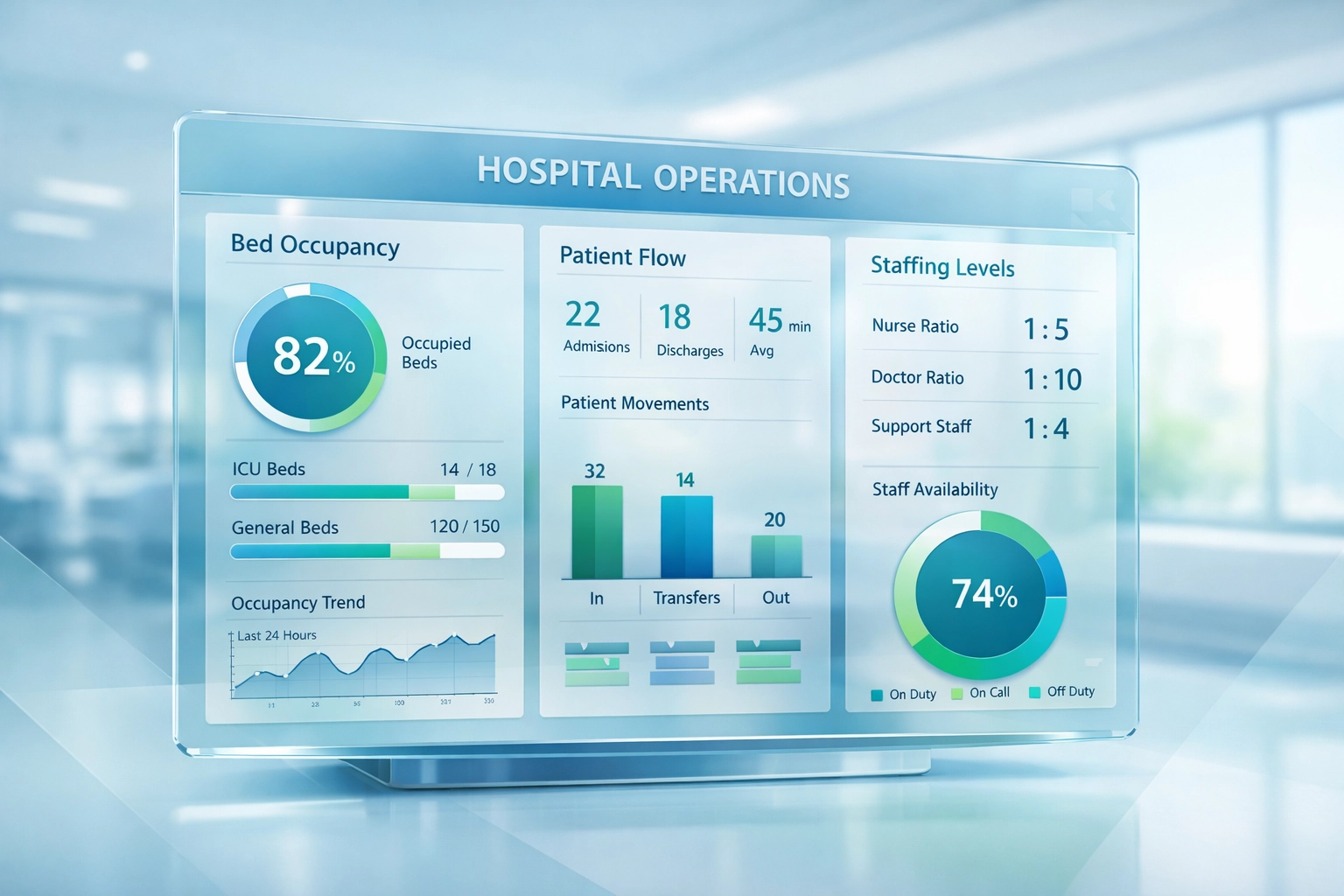
- Real-time bed availability dashboards
- Treatment plan templates with customization capabilities
- Discharge planning workflows that start at admission
Admissions Operations:
- Dedicated admissions team (not your clinical staff multitasking)
- VOB automation or rapid verification protocols
- CRM that tracks every inquiry from first contact through admission
- 24/7 phone coverage with trained admissions coordinators
- Clear escalation protocols for complex cases
Business Intelligence:
- Daily census reporting that updates automatically
- Revenue cycle management with aging AR tracking
- Payer mix analysis and profitability by insurance type
- Length of stay tracking by program and payer
- Marketing attribution (which efforts actually drive admissions)
The last point is where most mid-size facilities drop the ball completely. You're spending money on marketing, but you have no idea which channels are actually filling beds versus just generating noise.
Staffing Ratios That Don't Bankrupt You
The research shows that clinical facilities typically need a 1:10 physician-to-patient ratio and around 4:1 patient-to-nurse ratios for effective care. But here's what nobody tells you: your staffing costs at 50 beds will eat you alive if you don't get your payer mix right.
Let's break down realistic numbers:
| Operational Metric | Target Range | Why It Matters |
|---|---|---|
| Overall Staff-to-Patient Ratio | 1:1.5 to 1:2 | Maintains quality care without excessive labor costs |
| Clinical Staff Labor % | 35-45% of revenue | Higher means thin margins or underpricing |
| Average Daily Census Target | 85-92% capacity | Below 80% = unsustainable; above 95% = burnout risk |
| Average Length of Stay | 28-45 days | Shorter = admissions treadmill; longer = revenue stability |
| Revenue per Patient Day | $600-$1,200+ | Varies by state, payer mix, and service level |
Here's the thing: you can have perfect clinical staffing ratios, but if your marketing isn't consistently filling beds with the right payer mix, your facility will struggle financially no matter how efficiently you operate.

The Marketing Shift Nobody Prepares You For
When you're small, you can probably get by with referral relationships, a basic website, and maybe some local SEO. At 50 beds, you need a completely different approach because you need consistent volume.
This is where most facilities make a critical mistake. They try to scale their marketing the same way they scaled their operations, by doing more of the same stuff. That doesn't work.
PPC Management at Scale:
Your Google Ads strategy for a 12-bed facility and a 50-bed facility are completely different animals. At 50 beds, you're looking at:
- Multi-state campaigns if you're licensed appropriately
- Sophisticated negative keyword strategies to eliminate waste (we covered this in detail here)
- Daily budget management that responds to census fluctuations
- Audience segmentation by insurance type and service needs
- Landing page variations by program and admission criteria
Small facilities might spend $5K-$10K monthly on PPC. At 50 beds with healthy margins, you should be prepared to invest $25K-$50K+ monthly because you need significantly more volume. But, and this is critical, that spend needs to be managed intelligently.
We see facilities waste tens of thousands monthly on broad match keywords and poorly optimized campaigns. When you're trying to maintain 85%+ census across 50 beds, every wasted dollar in PPC directly impacts your ability to stay full.
SEO Scaling for Authority:
Your SEO strategy also needs to mature. Small facilities can rank locally with basic optimization. Mid-size facilities need to establish regional authority to compete effectively.
This means:
- Publishing consistent, high-quality content (not just generic addiction blog posts)
- Building authoritative backlinks from healthcare directories and industry publications
- Optimizing for "near me" searches across multiple service areas
- Creating dedicated landing pages for each program and insurance type
- Monitoring and responding to reviews across multiple platforms
The facilities that dominate their markets at the 50-bed level aren't just doing "some SEO." They're treating content and search visibility as a core business function, not a marketing afterthought.

Technology Infrastructure: Stop Band-Aiding
At 50 beds, your technology stack needs to work together, not exist as disconnected tools that require manual data entry between systems.
You need:
- EMR that integrates with your billing system (not separate platforms that require double documentation)
- CRM that feeds data to your marketing team (so you know which campaigns drive actual admissions, not just inquiries)
- Business intelligence dashboards (real-time visibility into census, revenue, and operational metrics)
- Automated phone systems with call recording (for quality assurance and staff training)
- Patient communication platforms (for alumni engagement and family updates)
Yes, this costs money. But operating at 50 beds without integrated technology is like trying to run a restaurant with a notepad instead of a POS system. Technically possible, catastrophically inefficient.
According to industry research from the National Association of Addiction Treatment Providers (NAATP), facilities that invest in integrated technology systems see 15-20% improvements in operational efficiency and significantly better staff retention. Your clinical director shouldn't be spending 10 hours weekly compiling census reports manually.
The Revenue Reality at 50 Beds
Let's talk numbers because that's what actually matters. A well-run 50-bed facility operating at 85% average daily census with an average length of stay of 35 days and blended rate of $800 per patient day generates approximately $1.02 million monthly in gross revenue.
Sounds great, right? But your operational costs at this level typically run 70-80% of revenue when you factor in:
- Clinical and administrative staffing
- Facility costs (mortgage/rent, utilities, maintenance)
- Insurance and licensing
- Food service and patient amenities
- Marketing and business development
- Technology and software subscriptions
That means your EBITDA margins should be landing in the 20-30% range if you're running efficiently. If you're below 15%, something in your operational model or payer mix needs immediate attention. If you're above 35%, you're either underinvesting in the facility or you've figured out something remarkable.
The facilities we work with that consistently hit strong margins do two things exceptionally well: they maintain high census through strategic marketing, and they optimize their operations to reduce waste without compromising care quality.
Common Pitfalls at the 50-Bed Mark
After working with dozens of facilities through this transition, we see the same mistakes repeatedly:
Underinvesting in Marketing During Slow Periods:
When census drops, cutting marketing budget feels logical. It's actually the worst thing you can do. Your marketing efforts need 45-90 days to generate consistent results. Turning off campaigns when you need admissions is like canceling your health insurance when you get sick.
Overreliance on VOB Aggregators:
Yes, they provide volume. But are those inquiries converting at rates that justify the cost? Many facilities discover they're paying for leads that never had realistic admission potential. Having your own high-intent lead generation strategy is critical.
Neglecting Compliance and Documentation:
At 50 beds, you're a bigger target for regulatory scrutiny. Sloppy documentation or compliance shortcuts that didn't matter at 15 beds can result in significant penalties at your current size. State licensing requirements become more complex as you scale.
Treating All Beds the Same:
Not all beds are equally profitable. Your private pay detox bed generates very different margins than your 90-day residential Medicaid bed. Understanding the profitability of different bed types should inform both your operational decisions and your marketing spend allocation.
Making the Shift Successfully
The transition to 50 beds isn't just operational: it's strategic. You're building a business that needs to function without you in every conversation and every decision.
That means:
- Documented processes for every critical function
- Leadership team with clear ownership areas
- Marketing systems that generate predictable inquiry volume
- Financial visibility into real-time performance
- Technology infrastructure that scales with growth
Most importantly, you need marketing and business development that keeps you consistently above 80% census. Everything else falls apart if you can't keep beds filled.
This is where we see facility owners realize they can't manage effective PPC campaigns while also running operations, handling clinical oversight, and managing staff. The facilities that thrive at this level bring in specialized expertise for areas like digital marketing strategy and admissions optimization.
Ready to Scale Your Operations and Marketing Together?
If you're approaching or recently hit the 50-bed milestone and you're feeling the growing pains, you're not alone. This transition breaks facilities that try to do it with the same approach that worked at 20 beds.
At Ads Up Marketing, we specialize in helping mid-size treatment facilities build marketing systems that generate consistent, high-quality admissions while optimizing spend for maximum ROI. We've worked with facilities through this exact transition and we know what works: and what's just expensive noise.
Whether you need help scaling your PPC management, building SEO authority, or creating systems that fill beds predictably, we've been there and solved it.
Call us at 305-539-7114 to talk about where your facility is right now and where you need it to be. Let's build marketing and operational systems that actually support 50+ beds without you working 80-hour weeks.
Because scaling to 50 beds should feel like success, not a slow-motion crisis.