You're spending thousands on marketing that barely moves the needle. Your detox center or residential treatment facility deserves better than cookie-cutter strategies that work for selling shoes but fall flat in behavioral health.
The truth? Generic marketing kills ROI when you're trying to reach people in crisis. They're not browsing casually: they're searching with urgency, fear, and very specific needs. Your marketing needs to match that intensity and precision.
Here are seven addiction digital marketing hacks that actually work. Each one targets the unique psychology and search behavior of people seeking treatment, their families, and referral sources.
1. Replace Broad Keywords with Crisis-Intent Phrases
Most treatment centers waste their PPC budget on generic terms like "rehab center" or "addiction treatment." These keywords cost $50+ per click and attract mostly tire-kickers.
Instead, target crisis-intent phrases that show immediate need:
- "detox near me tonight"
- "inpatient rehab starts tomorrow"
- "family intervention help"
- "emergency addiction treatment"
These longer phrases cost 60-70% less while converting at 3x higher rates. Why? Because someone searching "detox near me tonight" isn't comparison shopping: they need help now.
Pro tip: Use Google's Keyword Planner to find crisis-intent variations of your main terms. Focus on phrases with 100-1000 monthly searches rather than competing for high-volume generic terms.

Alt text: Addiction digital marketing specialist analyzing crisis-intent keyword performance on laptop screen
2. Build Video-First Social Media Campaigns
Here's something most addiction treatment centers get wrong: they post inspirational quotes and stock photos on social media. Meanwhile, their audience is desperate for real information about what treatment actually looks like.
Video content gets 70% more organic reach than static posts. But not just any video: create content that answers the questions families are actually asking:
- "What happens in the first 24 hours of detox?"
- "How do I know if my loved one needs inpatient care?"
- "What should I pack for residential treatment?"
Film these with your clinical director or admissions coordinator. Keep them under 2 minutes. Post them across Instagram, Facebook, and TikTok with crisis-specific hashtags.
One of our clients saw their admission inquiries increase 180% after switching to video-first content. The raw, authentic feel built trust that polished marketing materials couldn't match.
3. Master the Remarketing Funnel for Hesitant Prospects
Someone visits your website but doesn't call. They're scared, overwhelmed, or not quite ready. Generic remarketing shows them the same ads they ignored the first time.
Smart remarketing addresses their hesitation directly:
First 24 hours: "Still have questions about treatment? Download our family guide."
Days 2-7: Testimonial videos from families who went through your program
Week 2: "Insurance verification takes 5 minutes. Start here."
Week 3+: Content addressing specific fears like "What if treatment doesn't work?"
This approach acknowledges where they are emotionally rather than pushing for immediate conversion. Our drug rehab leads strategy incorporates this psychology-driven remarketing across all touchpoints.
4. Position Authority Content Over Promotional Material
Stop talking about your amenities and start solving problems. Your target audience doesn't care that you have a meditation garden: they want to know if you can help their 19-year-old son who's been using fentanyl.
Authority content that converts:
- "Signs your loved one needs immediate medical detox"
- "How to handle insurance denials for addiction treatment"
- "What family members should know about medication-assisted treatment"
- "Preparing for the phone call: How to talk to treatment centers"
This content ranks higher in search results and builds trust before prospects even call. When someone finds your detailed guide to insurance verification, they're more likely to choose your facility over competitors.
Google rewards helpful, detailed content. A 2,000-word guide to "choosing the right detox center" will outrank a 300-word promotional page every time.
5. Create Behavioral Health-Specific Landing Pages
Your homepage can't be everything to everyone. Create dedicated landing pages for different types of searches and referral sources:
Crisis landing page (for "emergency detox" searches):
- Immediate contact options (click-to-call, text line)
- "We have beds available today"
- Clear insurance verification process
- What to bring/expect in first 24 hours
Family landing page (for "help my son/daughter" searches):
- Information for concerned relatives
- Intervention resources
- Financial assistance options
- Family therapy programs
Professional referral page (for doctors, therapists, case workers):
- Clinical outcomes data
- Referral process
- Professional liaison contact
- Continuing care coordination
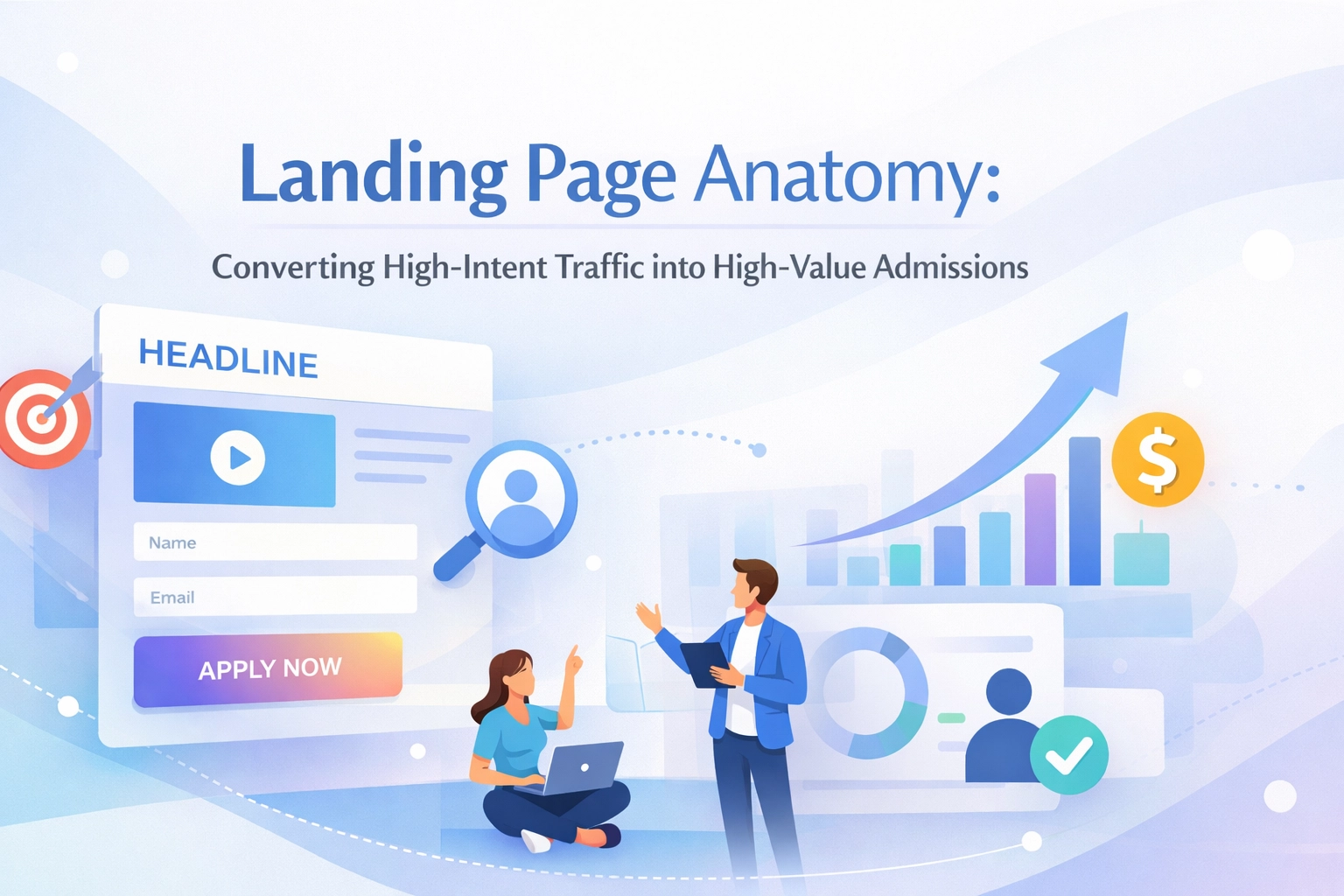
Each page speaks directly to that visitor's specific situation and concerns. This approach improves your residential treatment center marketing conversion rates significantly.

Alt text: Detox center marketing landing page examples showing different target audiences
6. Lead with Compliance-First Messaging
Generic marketing tactics that work for other industries can get you in serious trouble with addiction treatment. SAMHSA, state regulations, and insurance companies all have strict requirements about how you can advertise.
Compliant messaging that still converts:
- Focus on clinical outcomes, not emotional manipulation
- Use person-first language ("person with substance use disorder" not "addict")
- Avoid guarantees or promises about recovery success
- Include proper disclaimers about treatment effectiveness
- Be transparent about costs and insurance coverage
This isn't just about avoiding penalties: it builds trust. Families researching treatment centers can spot unethical marketing from a mile away. Clean, honest messaging sets you apart from facilities that make unrealistic promises.
7. Implement Multi-Touch Attribution Tracking
Here's where most detox center marketing fails: you're not tracking the customer journey properly. Someone might see your Facebook ad, visit your website three times, call from a Google search, and finally convert after reading your email newsletter.
If you're only tracking "last click" attribution, you're missing the complete picture and probably cutting budgets from channels that actually work.
Set up proper tracking:
- Google Analytics 4 with cross-domain tracking
- Call tracking numbers for each marketing channel
- UTM parameters on all external links
- CRM integration to track from first touch to admission
- Regular attribution analysis to identify your best-performing sequences
Our conversion tracking system shows most successful admissions involve 7-12 touchpoints across 2-3 different channels before someone calls.
Stop Guessing, Start Growing
These seven hacks work because they're built around how people actually search for addiction treatment: not how general consumers shop for products. The psychology is different, the urgency is different, and your marketing needs to reflect that.
Want to see what these strategies could do for your facility? Our team specializes in addiction digital marketing that actually drives admissions while staying 100% compliant. We've helped treatment centers increase their qualified leads by 200-400% using these exact approaches.
Ready to stop wasting money on generic marketing that doesn't work? Call us at 305-539-7114 and let's build a strategy that brings the right people to your doors when they need help most. Your next conversation could be the difference between someone getting treatment or continuing to struggle.
The families in your community need what you offer. Let's make sure they can find you.