
INSIGHTS
The Ultimate Guide to Residential Treatment Facility Business Growth: Everything You Need to Succeed in 2026
The residential treatment landscape has shifted dramatically heading into 2026. What worked five years ago won't cut it anymore. Insurance scrutiny is tighter, competition is fiercer, and families are more educated about their options than ever before.
But here's the thing: facilities that adapt to these changes aren't just surviving; they're thriving. The ones implementing smart residential treatment facility business growth strategies are seeing census rates above 90% while their competitors struggle to fill beds.
So what separates the winners from the facilities barely keeping their doors open? Let's dive into exactly what you need to build a profitable, sustainable treatment center in 2026.
The Marketing Revolution: Beyond "Build It and They'll Come"
Gone are the days when you could throw up a website and wait for the phone to ring. Today's detox facility growth strategies require a multi-channel approach that meets families where they are: often researching online at 2 AM when desperation hits.
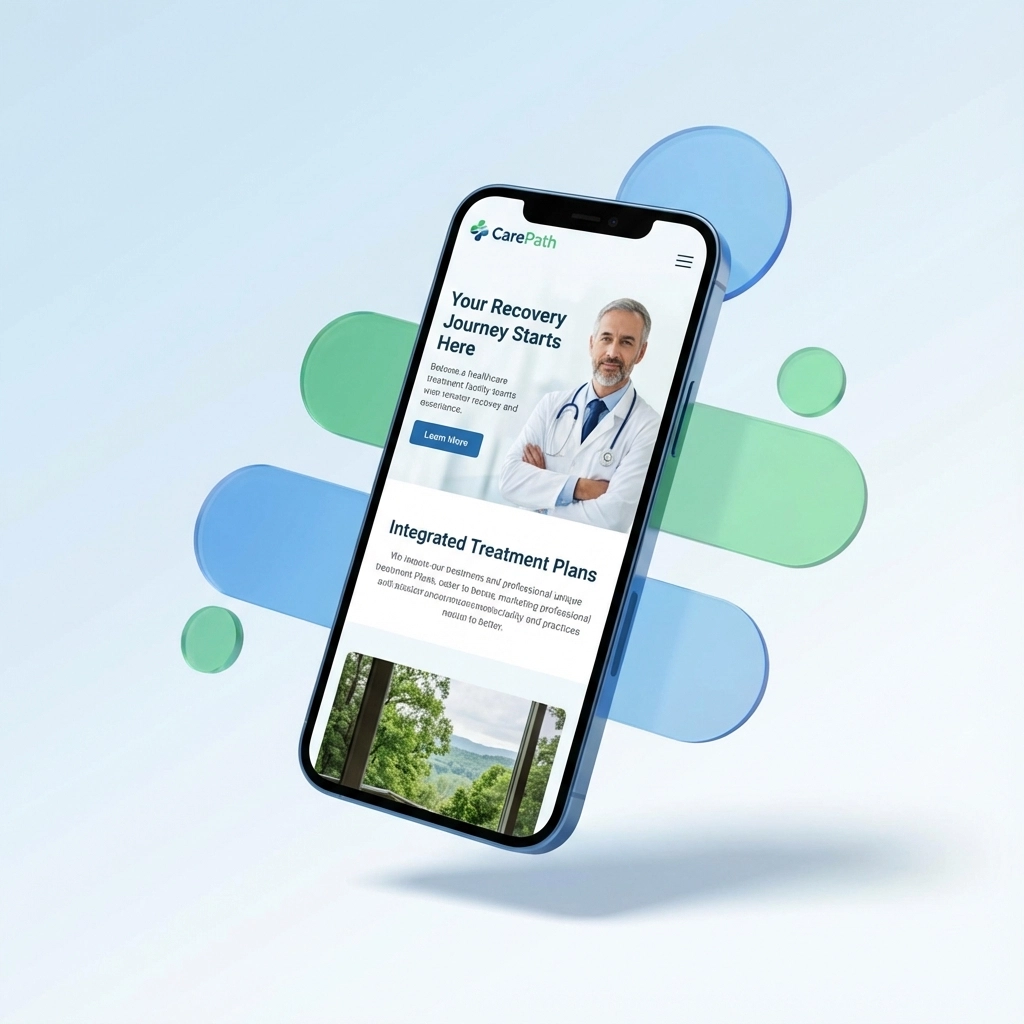
Your digital presence needs to tell a complete story. This means having detailed program descriptions, real staff photos (not stock images), and transparent pricing information. According to SAMHSA's 2024 Treatment Locator data, 78% of families research at least three facilities before making contact.
But here's where most facilities get it wrong: they focus on vanity metrics like website traffic instead of actual conversions. You don't need 10,000 visitors if only 2% call. You need high-intent leads who are ready to move forward.
Local SEO dominance becomes critical when families search "residential treatment near me" or "detox facility in [your city]." Your Google Business Profile needs consistent updates, patient reviews, and accurate contact information across all platforms.
Operations That Scale: Building Systems, Not Dependencies
The most successful facilities in 2026 have one thing in common: they don't fall apart when the owner takes a vacation. Every process, from intake to discharge planning, follows documented procedures that any trained staff member can execute.
Start with your admissions process optimization. How many touches does it take from first contact to admission? What happens when someone calls after hours? These details matter because every lost lead costs you approximately $3,500 in potential revenue.
Your clinical operations need the same systematic approach. Standardized treatment plans, consistent documentation, and clear discharge criteria support consistent care and reduce operational risk. Outcome tracking also strengthens accountability and the credibility of any results you share in your marketing.
Financial Strategy: The Numbers That Actually Matter
Let's talk about the math that keeps you in business. Your cost per acquisition (CPA) should never exceed 10% of patient lifetime value. If you're spending $4,000 to acquire a patient who generates $35,000 in revenue, you're on track. If you're spending $8,000 for the same patient, you're bleeding money.
Here's a breakdown of healthy financial metrics for residential treatment facilities in 2026:
| Metric | Healthy Range | Red Flag Territory |
|---|---|---|
| Cost Per Acquisition | 8-12% of LTV | Above 15% of LTV |
| Average Length of Stay | 28-45 days | Below 21 days |
| Census Rate | 85-95% | Below 80% |
| Staff Turnover | 15-25% annually | Above 35% annually |
| Net Profit Margin | 15-25% | Below 10% |
| Insurance Authorization Rate | 80-90% | Below 75% |
Revenue diversification protects you from insurance changes and economic downturns. This means developing programs that appeal to different demographics: young adults, professionals, or specialized populations like first responders.
Technology Integration: Working Smarter, Not Harder

Your facility needs technology that actually solves problems, not creates more work. Electronic health records (EHR) systems should integrate with your billing software, reducing duplicate data entry and human error.
Customer relationship management (CRM) platforms designed for healthcare track every interaction from initial inquiry through alumni follow-up. This data helps you identify which marketing channels produce the highest-quality patients and which staff members excel at conversions.
Telehealth capabilities aren't optional anymore. Whether it's family therapy sessions or alumni support groups, virtual programming expands your reach while reducing overhead costs.
Building a Culture That Retains Top Talent
Staff turnover kills profitability faster than almost any other factor. When you lose an experienced counselor, you're looking at 3-6 months to replace them and another 3-6 months for the new hire to reach full productivity.
Competitive compensation matters, but it's not everything. Clinical staff want professional development opportunities, manageable caseloads, and leadership that supports their decisions. Administrative staff need clear career progression paths and recognition for their contributions.
Regular all-staff meetings where frontline employees can voice concerns prevent small issues from becoming major problems. When your intake coordinator mentions families complaining about wait times, that's valuable intelligence: not criticism.
Regulatory Compliance: Your Competitive Advantage
Staying ahead of regulatory changes isn't just about avoiding penalties: it's about positioning yourself as the premium option in your market.
Joint Commission accreditation, while expensive upfront, allows you to charge higher rates and attracts referrals from hospitals and physicians who prefer working with accredited facilities. The Joint Commission's 2025 Behavioral Health Standards emphasize patient safety and outcome measurement.
State licensing requirements continue evolving, particularly around MAT (medication-assisted treatment) and dual diagnosis capabilities. Facilities that can treat both substance use disorders and mental health conditions simultaneously have significant competitive advantages.
Measuring What Moves the Needle
You can't manage what you don't measure, but tracking everything leads to analysis paralysis. Focus on metrics that directly impact your bottom line:
Lead quality over quantity. Track conversion rates by traffic source. If your Google Ads convert at 15% but your Facebook ads convert at 3%, redirect budget accordingly.
Length of stay trends. Patients leaving AMA (against medical advice) before 30 days hurt your reputation and profitability. Identify patterns: are certain staff members struggling with retention? Do particular demographics leave earlier?
Post-discharge outcomes. Following up with graduates at 30, 60, and 90 days provides testimonials for marketing while helping you refine programming.

The Competition Isn't Standing Still
While you're reading this guide, other facility owners are implementing these strategies. The treatment industry consolidates every year, with larger operators acquiring smaller facilities that can't compete.
But size isn't everything. Boutique facilities with 20-30 beds can outperform 100-bed facilities by focusing on specialized populations or premium service levels. Your competitive advantage comes from execution, not just strategy.
Avoiding common marketing mistakes becomes crucial as advertising costs increase. Generic messaging that could apply to any facility wastes budget. Your marketing should highlight specific advantages: specialized programming, unique amenities, or exceptional staff credentials.
Your Next Steps Start Today
Building a thriving residential treatment facility requires more than good intentions and clinical expertise. It demands business acumen, marketing sophistication, and operational excellence.
The facilities succeeding in 2026 didn't get there by accident. They invested in systems, measured results, and adapted quickly when strategies stopped working.
You don't have to figure this out alone. The most successful facility owners work with specialists who understand the unique challenges of behavioral health marketing and operations.
Ready to transform your facility's growth trajectory? Our team has helped dozens of treatment centers increase census rates, improve profit margins, and build sustainable competitive advantages.
Call us at 305-539-7114 to discuss your specific situation and learn how we can accelerate your facility's growth in 2026. The consultation is free, but the insights could be worth millions to your business.