INSIGHTS
Legal vs. Lethal: Compliance That Protects Your Business and Grows Your Census
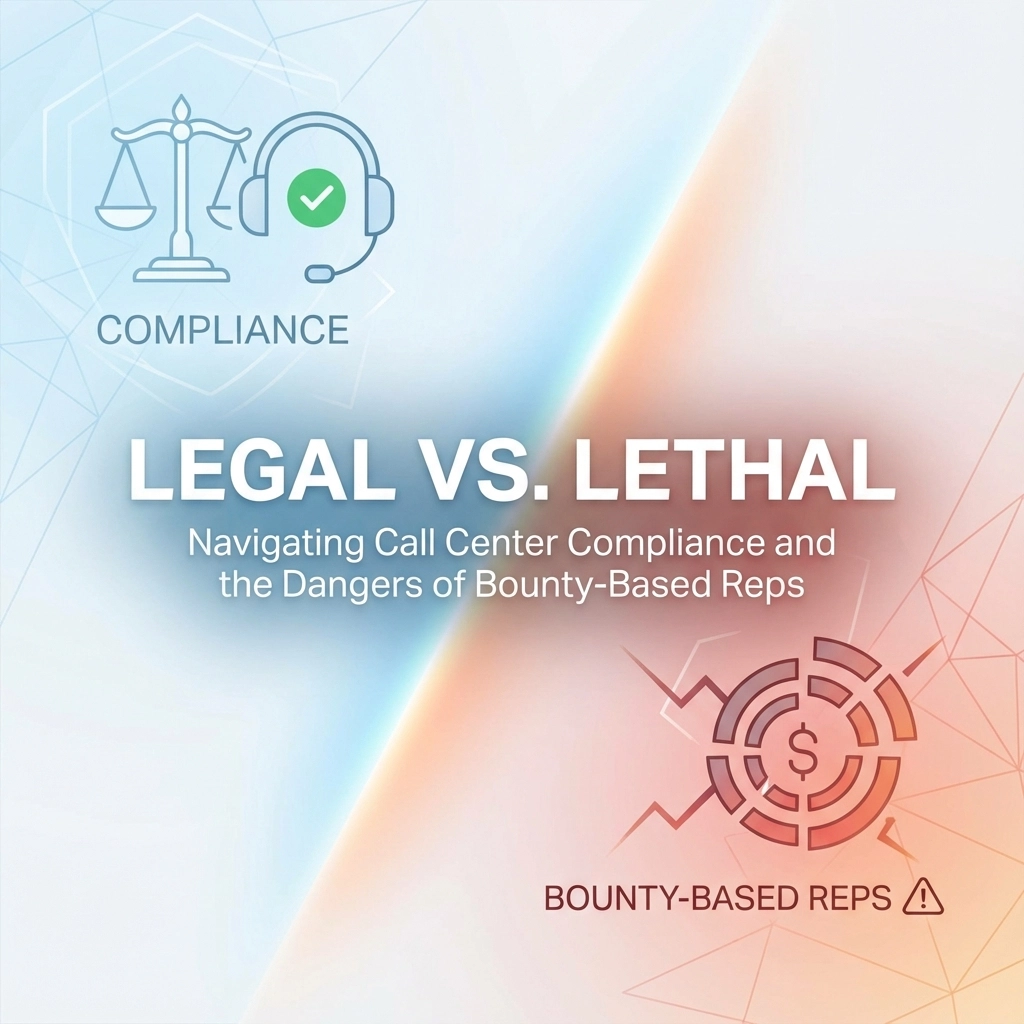
When you're running a treatment center, your call center isn't just a sales department: it's often the first lifeline someone grabs when they're drowning in addiction. For you, it's also a core lever to protect your license, reputation, and cash flow.
Here's the reality: the wrong compensation structure can turn your intake team into predators instead of healers, and the legal consequences can shut your doors permanently. The right, compliant structure does the opposite—it safeguards your business and fuels steady, qualified admissions.
Want a compliant marketing strategy for treatment centers that protects your business while growing your census? Call 305-539-7114 and we'll map it out with you, or contact us.
The EKRA Earthquake: Why Bounty-Based Compensation Is Playing With Fire
The Eliminating Kickbacks in Recovery Act (EKRA) makes it a felony to pay or receive kickbacks, bribes, or other remuneration for referrals to recovery homes, clinical treatment facilities, or laboratories.
For your call center, that means any compensation structure that ties pay directly to admissions is a legal risk. Per-admission bonuses, percentage-based commissions on revenue, or "bounty" payments for getting someone to check in? You could face criminal charges—not just regulatory fines.

EKRA is only part of the picture. Your call center operations also fall under:
- HIPAA for any protected health information handling
- TCPA for all outbound calling and texting
- State licensing requirements for patient brokering and referral activities
- FTC Act regulations on deceptive marketing practices
The problem with bounty-based systems isn't just legal: it's ethical. When your team gets paid more for getting someone admitted regardless of whether it's the right fit, you've created a system that prioritizes profit over people.
The Culture Problem: Hunters vs. Helpers
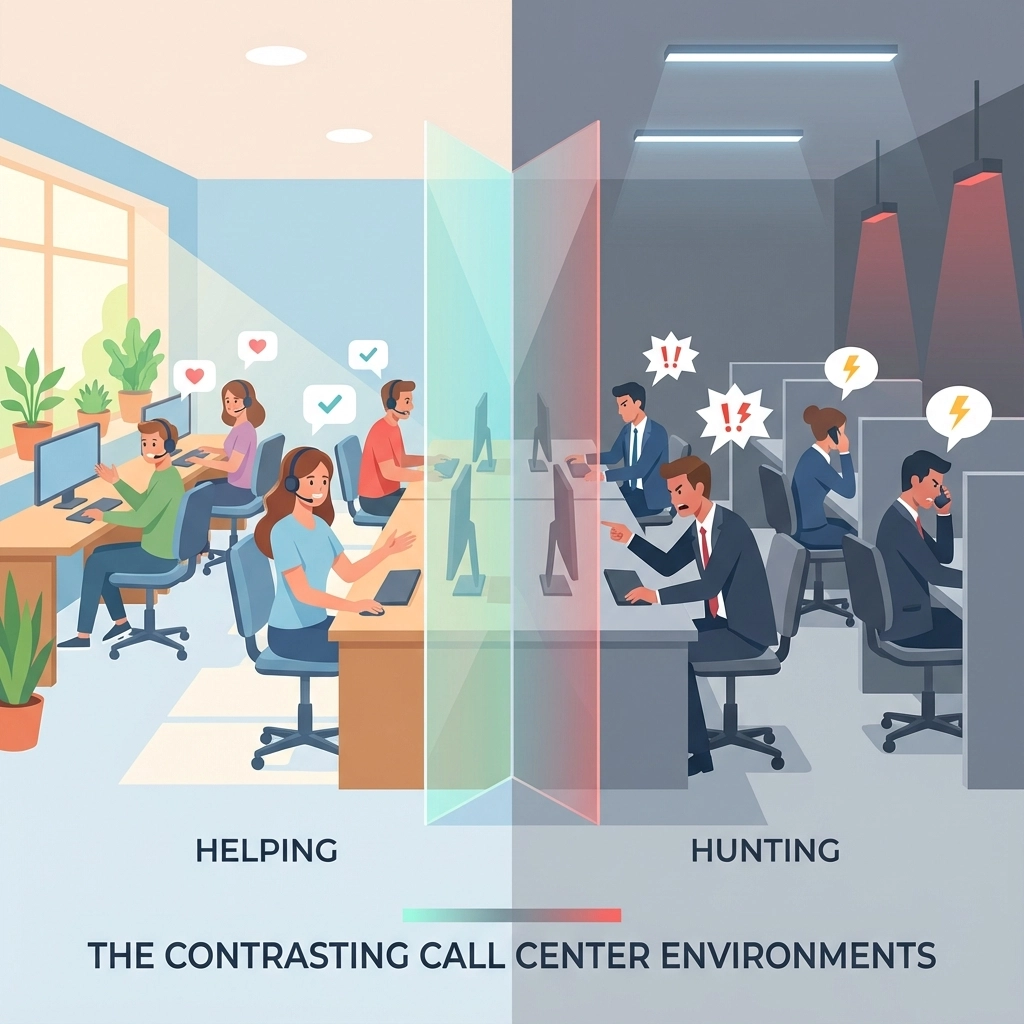
Walk into most treatment center call centers and you'll immediately sense which camp they're in. Bounty-driven environments feel like boiler rooms: high pressure, aggressive tactics, and a focus on overcoming objections rather than addressing genuine concerns.
Compare that to helper-focused cultures where:
- Representatives genuinely listen to callers' situations
- The goal is finding the right level of care, even if it's not your facility
- Staff understand that building trust leads to better outcomes and higher conversion rates
- Team members are trained on addiction as a disease, not a sales opportunity
Here's what most owners don't realize: the helper approach actually converts better long-term. When someone feels heard and understood rather than pressured, they're more likely to follow through with treatment and less likely to leave AMA.
Major Pain Points Your Team Needs to Address (Legally and Effectively)
Every call into your center involves someone wrestling with massive obstacles. Your team's job isn't to bulldoze through these: it's to acknowledge them and provide real solutions.
Insurance and Coverage Nightmares
This is where most calls get stuck. The caller knows they need help but has no idea if they can afford it. Your team needs to become insurance navigation experts, not just order-takers.
Train your staff to:
- Ask specific questions about their insurance carrier and plan type
- Understand deductibles, copays, and out-of-network implications
- Know your facility's contracts inside and out
- Have backup options for coverage gaps
The legal angle: Making promises about coverage you can't keep violates both state insurance regulations and potentially federal fraud statutes. Always verify benefits before making coverage commitments.
Geographic and Travel Barriers
"I can't leave my kids" or "I can't travel that far" aren't objections to overcome: they're legitimate logistical concerns that require real solutions.
Effective teams address this by:
- Having partnerships with local facilities for appropriate referrals
- Understanding family accommodations and visiting policies
- Knowing transportation options and assistance programs
- Being honest about whether your location works for their situation
Work and Holiday Disruptions
Most people calling haven't planned for treatment. They're in crisis, and the idea of leaving work or missing holidays creates additional anxiety.
Your team should:
- Understand FMLA protections and how they apply
- Know your facility's policies on work-related accommodations
- Have realistic timelines for different levels of care
- Connect callers with resources for employment protection
Building Compliance Into Your Culture
Creating a legally compliant call center isn't about adding more rules: it's about building systems that naturally protect both your facility and the people calling for help.

Compensation That Promotes Helping
Instead of per-admission bonuses, consider:
- Base salary plus quality metrics (call resolution, follow-up completion, satisfaction scores)
- Team-based incentives that reward collective outcomes rather than individual hunting
- Professional development opportunities that keep good people engaged
- Recognition programs that highlight helping behaviors, not just conversions
Documentation and Training Standards
Every call should be documented not just for follow-up, but for compliance protection. Your team needs to understand:
- What constitutes a referral under EKRA
- How to handle HIPAA-protected information properly
- TCPA requirements for calling and texting
- When and how to make appropriate referrals to other facilities
Quality Assurance That Actually Matters
Most QA programs focus on conversion rates. Compliant programs focus on conversation quality:
- Are representatives asking appropriate assessment questions?
- Do they respect when someone isn't ready for treatment?
- Are they providing accurate information about your facility?
- Do they follow up appropriately without becoming pushy?
The Business Case for Compliance
Here's the bottom line that every treatment center owner needs to understand: compliant operations aren't just ethically superior: they're more profitable long-term.
When your team focuses on helping rather than hunting:
- Conversion rates improve because trust builds faster
- Length of stay increases because patients feel they made the right choice
- Referral sources trust you more because they know you won't poach their patients
- Staff turnover decreases because people want to work somewhere meaningful
- Legal risk drops dramatically because you're not operating in gray areas


How Ads Up Marketing Delivers a Compliant Marketing Strategy for Treatment Centers (and Grows Your Census)
You want growth. You also want to sleep at night. You can have both. Reduce risk, earn trust, and your census grows—predictably. Here's how we support a compliant marketing strategy for treatment centers from the first call to admission:
- EKRA-safe compensation and QA frameworks: we design base + quality metric models, team incentives, and documented SOPs that reward helping behaviors, not bounties.
- TCPA/HIPAA-first outreach: consent capture and revocation workflows, scrub lists, compliant texting and IVR scripts, and secure PHI handling that keeps you audit-ready.
- Insurance navigation playbooks: benefit verification templates, plain-language coverage explanations, and guardrails that prevent misrepresentation.
- Data-driven targeting and reporting: campaigns built to drive qualified calls, with KPIs you can trust (qualified admissions, cost per admission, LOS, and net revenue by payer). Explore our services.
- Ethical referral network building: warm transfers and reciprocal partnerships supported by clear referral policies that comply with state laws and EKRA.
- Conversation quality training: motivational interviewing basics, needs-based discovery, accurate facility representation, and escalation paths for clinical questions.
- Documentation that protects you: standardized call notes, required disclosures, and privacy acknowledgments that stand up to payer and regulator review.
- Transparent, month-to-month engagement: dashboards with call recordings and QA scores so you always see what's working—without long-term contracts.
Ready to de-risk and scale? Call 305-539-7114 for a compliant marketing strategy, or contact us.
Red Flags in Your Current Operations
Take an honest look at your call center. If you see any of these warning signs, you need immediate changes:
- Representatives celebrating "saves" when they talk someone out of a lower level of care
- Compensation tied directly to admission numbers
- Pressure to fill beds regardless of clinical appropriateness
- Staff who don't understand your state's patient brokering laws
- High-pressure tactics that focus on overcoming objections rather than addressing concerns
- Documentation that focuses on sales notes rather than clinical information
Moving Forward: Talk and You Will Get Admissions
The most powerful conversion tool your call center has isn't a script or a closing technique: it's genuine conversation. When your team actually listens to what people are telling them, when they acknowledge real concerns instead of brushing them aside, when they focus on helping someone find the right solution instead of forcing them into your solution, admissions follow naturally.
This doesn't mean being passive. It means being professionally caring. It means training your team to:
- Ask better questions about someone's situation
- Listen for underlying concerns that aren't being directly stated
- Provide honest information about what your facility can and can't offer
- Make appropriate referrals when your facility isn't the right fit
- Follow up consistently without being pushy
The Path Forward
If you're ready to transform your call center from a compliance risk into a competitive advantage, start with these three steps:
- Audit your current compensation structure against EKRA requirements
- Review all documentation and training materials for compliance gaps
- Shift your quality metrics from pure conversion focus to conversation quality
Remember: in the treatment industry, doing the right thing legally and doing the right thing ethically are the same thing. When you build a culture focused on helping people find the right care, admissions follow naturally: and your legal risk drops to nearly zero.
The choice between legal and lethal isn't just about avoiding prosecution. It's about building a sustainable business that actually helps people recover while protecting your investment and your team. That's not just good compliance; it's good business.
Want help protecting your business while you grow your census the right way? Call 305-539-7114 for a compliant marketing strategy for treatment centers tailored to your facility, or contact us.