
INSIGHTS
The Airport Abyss: How to Safeguard the Most Fragile Part of the Journey

You've spent thousands on marketing. Your intake team nailed the call. The client said yes to treatment. Insurance approved. Flight's booked.
And then they disappear at LAX.
Most facility owners think marketing ends when someone agrees to come to treatment. That's the biggest mistake in the addiction treatment industry. The journey from "yes" to walking through your front door is where you lose more potential admissions than any other phase, and airports are the most dangerous part of that journey.
Beyond the Click: Marketing Is the Full Cycle
When we talk about addiction treatment marketing, most people think about Google Ads, Facebook campaigns, and SEO rankings. But real marketing for addiction treatment facilities extends far beyond the digital realm, it's about understanding and controlling every single touchpoint from the first ring of the phone to the moment someone walks into your facility.
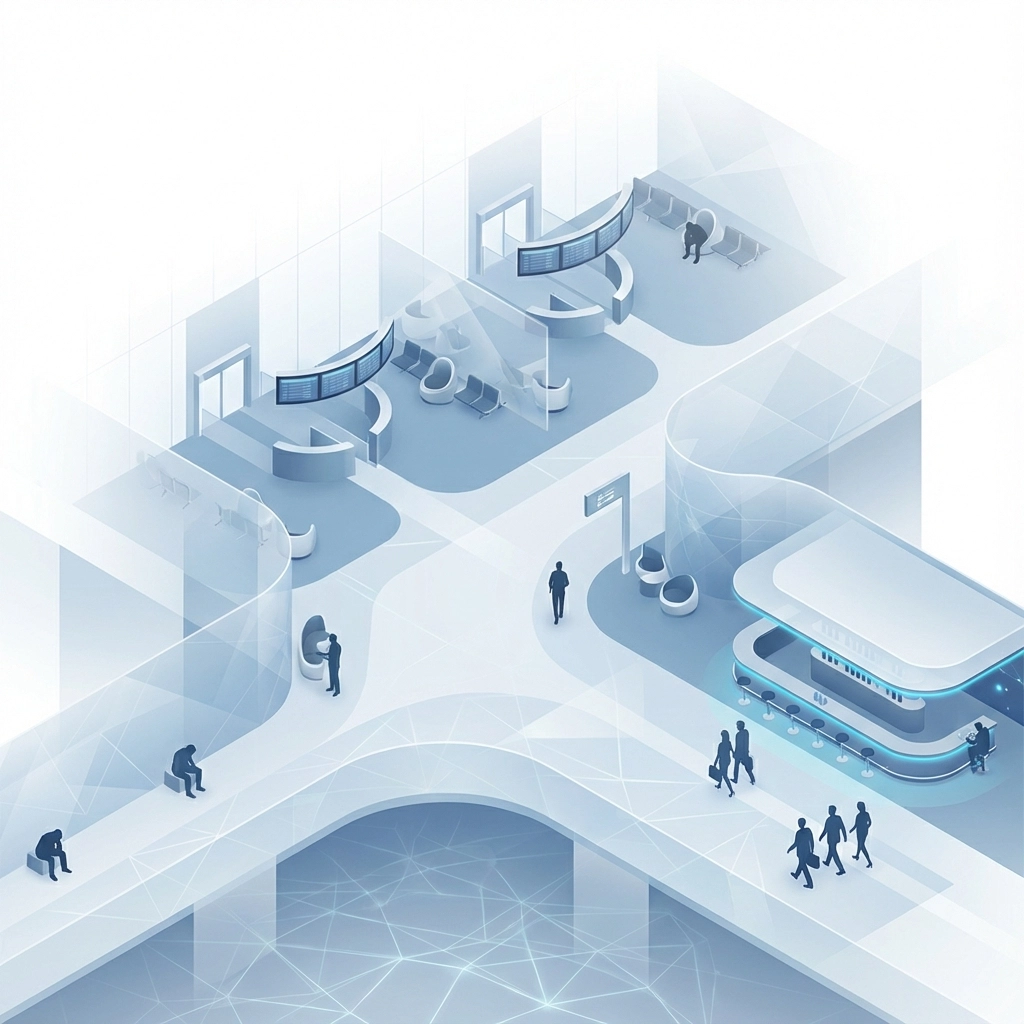
The airport represents the most vulnerable 6-8 hours of this entire process. Think about it: you're asking someone in active addiction, often detoxing, emotionally fragile, and terrified of the unknown, to navigate one of the most stressful environments on the planet. Alone.
What could go wrong?

The Airport Danger Zone: Real Horror Stories
Let me paint you a picture of what actually happens out there. These aren't hypothetical scenarios, they're real situations that cost facilities admissions every single week:
The "One Last Drink" Disaster: A 34-year-old executive heading to a 30-day program decides to have "just one beer" during a 3-hour layover in Denver. Security finds him passed out in the bathroom. Flight missed. Program slot lost.
The Cigarette Break Vanishing Act: A mother of two steps outside for a quick smoke before her connecting flight in Chicago. Five hours later, she's in an Uber heading home, convinced she's "not ready." The facility never sees her.
The Arrest Scenario: A client traveling with unprescribed anxiety medication gets pulled aside by TSA. What should have been a routine security check turns into a detention that causes him to miss his flight and lose his motivation.
The Digital Sabotage: A client's family member, angry about the treatment decision, calls during a layover and spends 45 minutes convincing them that treatment is unnecessary. The client changes their return ticket and never boards the connection.
These aren't random occurrences, they're predictable patterns that happen when facilities treat travel like someone else's problem.
Why Airports Are Addiction Kryptonite
Airports combine every trigger and stressor that can derail someone heading to treatment:
- Anxiety amplifiers everywhere: Crowds, noise, delays, security lines
- Easy access to substances: Airport bars open at 6 AM, and no one questions day drinking
- Isolation and second-guessing: Hours of sitting alone with their thoughts
- Family interference: Unmonitored phone access during layovers
- Logistical chaos: Flight changes, gate switches, missed connections
For someone already ambivalent about treatment, an airport isn't just a travel hub, it's a minefield of excuses to turn around and go home.
The Pre-Flight Briefing: Setting Expectations Before They Leave
The solution starts before they ever leave their house. Your admissions team needs to become travel consultants who address every possible scenario upfront.
Essential Pre-Flight Conversations:
Normalize the Fear: "Listen, it's completely normal to feel scared right now. Almost everyone we work with feels like backing out during travel. When that feeling hits: and it probably will: I want you to call me immediately instead of making any decisions alone."
Set Communication Expectations: "I'm going to check in with you at every major point: when you get to the airport, after security, during layovers, and when you land. This isn't because I don't trust you: it's because I care about getting you here safely."
Address the Elephant: "You're going to see bars and think about having a drink. You're going to have time to think and maybe convince yourself you don't need treatment. These thoughts are part of the disease, not reality checks."
Tactical Hand-Holding: The Concierge Approach
Once they're en route, your job shifts from admissions counselor to travel concierge. This means:
During Check-In and Security:
- Text them the night before with their confirmation number and gate information
- Remind them to arrive 2 hours early (3 for international)
- Walk them through TSA procedures over the phone if they're anxious
- Have their emergency contact information readily available
During Layovers:
- Know their complete itinerary and flight connections
- Check in during every layover longer than 1 hour
- Recommend specific restaurants or quiet areas in each airport
- Provide backup flight options if delays occur
Managing the Crisis Points:
- Flight delays: Immediately call with reassurance and next steps
- Gate changes: Text updates and walking directions
- Missed connections: Have alternative flights researched and ready
- Cold feet: Pre-written talking points that address common concerns
The Return Trip: Why It Matters More Than You Think
Here's something most facilities miss: the return journey is just as critical as the arrival. How someone leaves your facility impacts:
- Their likelihood of completing the full treatment cycle
- Word-of-mouth referrals to family and friends
- Online reviews and reputation management
- Their personal recovery success rates
A client who feels abandoned during discharge is more likely to relapse and less likely to refer others. The same hand-holding approach applies in reverse.
The Hidden ROI of Airport Management
Let's talk numbers. If you're spending $5,000 per admission on marketing and another $2,000 on intake processes, losing someone at the airport means you've wasted $7,000: not counting the empty bed revenue.
| Marketing Investment | Typical Loss Rate at Airports | Annual Cost Impact |
|---|---|---|
| $5,000 per lead | 15-25% no-shows | $75,000-$125,000 lost |
| 100 annual admissions | 15-25 people lost in transit | 15-25 empty beds |
| $500/day bed rate | Average 3-day delay per incident | $22,500-$37,500 revenue loss |
Most facilities are hemorrhaging money at airports and don't even realize it because they're not tracking travel-related admission failures as a separate metric.
Building Your Airport Safety Net
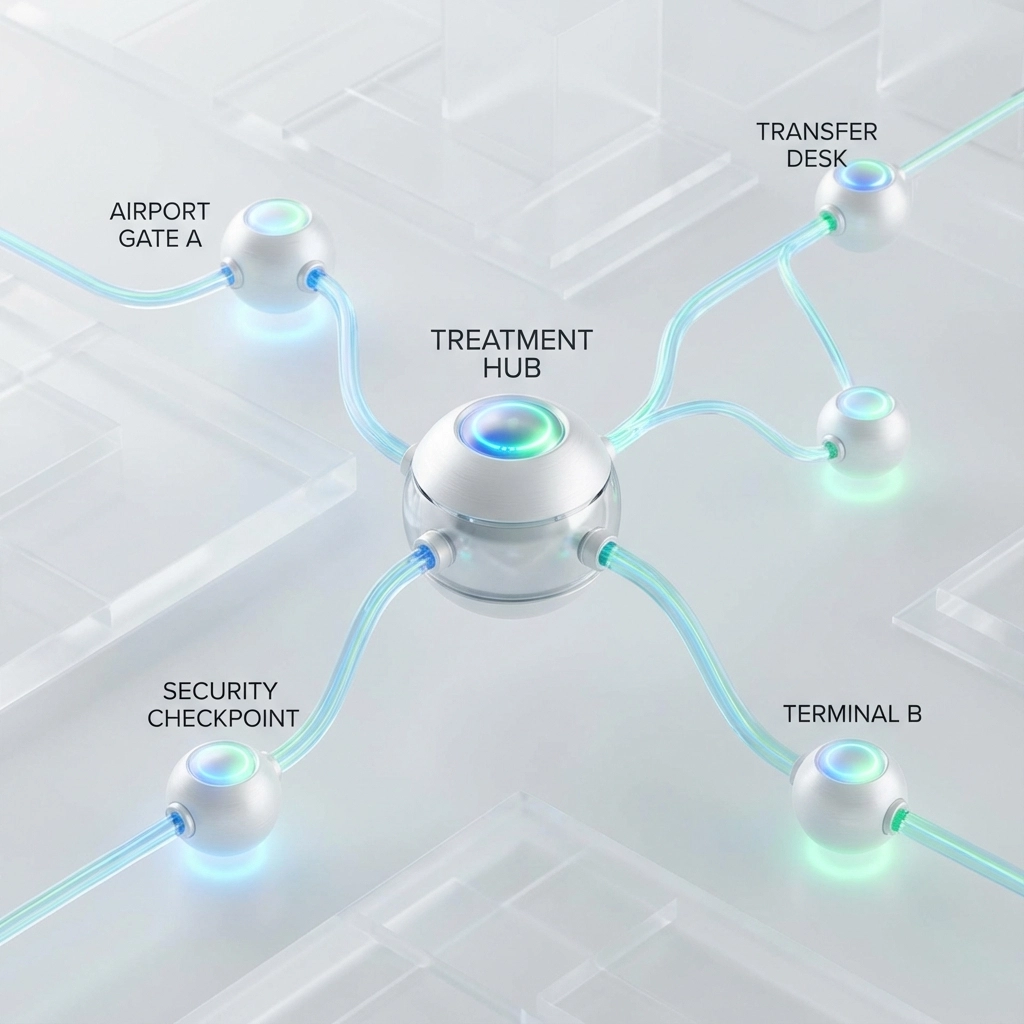
Creating an effective travel support system requires systematic changes to your admissions process optimization:
Week Before Travel:
- Complete travel briefing call
- Send detailed itinerary with contact information
- Coordinate with family members or support persons
- Confirm insurance pre-authorizations won't expire
Day of Travel:
- Wake-up call 2 hours before airport departure
- Check-in confirmation text
- Security checkpoint follow-up
- Gate arrival confirmation
During Travel:
- Layover check-ins for connections over 1 hour
- Proactive delay management
- Crisis intervention protocols
- Alternative travel arrangements on standby
Upon Arrival:
- Ground transportation confirmation
- Facility arrival time updates
- Smooth transition to intake staff
The Technology Stack That Supports Success
Modern travel management requires the right tools:
- Flight tracking apps that alert you to delays before the client knows
- Airport maps and navigation to guide them through unfamiliar terminals
- Real-time communication platforms for instant check-ins
- Crisis escalation protocols for emergency situations
- Backup travel booking systems for quick re-routing
When to Escalate: Red Flags That Require Immediate Action
Some situations require immediate intervention:
- Radio silence during scheduled check-ins
- Emotional breakdown during travel communications
- Family interference detected during layovers
- Substance use indicators in voice or text communications
- Flight changes made without facility consultation
Most Facilities Are Losing People at the Gate
Here's the hard truth: most addiction treatment facilities are losing 15-25% of their confirmed admissions during travel, and they don't even know it. They chalk it up to "the client wasn't ready" or "family changed their mind" without realizing these losses were completely preventable with proper travel support systems.
The facilities that master airport management don't just see higher admission rates: they see better treatment outcomes because clients arrive feeling supported rather than abandoned.
Your Next Move
If you're reading this and recognizing your own facility's gaps in travel support, you're not alone. Most treatment centers were never taught to think beyond the marketing funnel to the actual human logistics of getting people through their doors.
This is exactly the kind of operational marketing insight that separates successful facilities from struggling ones. It's not about spending more money on ads: it's about understanding every point where you can lose someone and building systems to prevent it.
Ready to stop losing admissions at airport gates? Call us at 305-539-7114 to learn how Ads Up Marketing helps facilities optimize their entire admissions process: from the first call to walking through your front door. We don't just get you leads; we help you get them into beds.
Because in addiction treatment marketing, the real success isn't measured in clicks or calls: it's measured in lives saved. And you can't save someone who never makes it past the departure gate.