Focus Keyword: empathy in addiction treatment calls
Imagine it’s 2:00 AM. The phone rings in your admissions office. On the other end of the line isn't a "lead" looking for a discount or a "prospect" comparing features. It’s a mother whose son just overdosed, or a professional who has finally hit rock bottom and is terrified of losing everything.
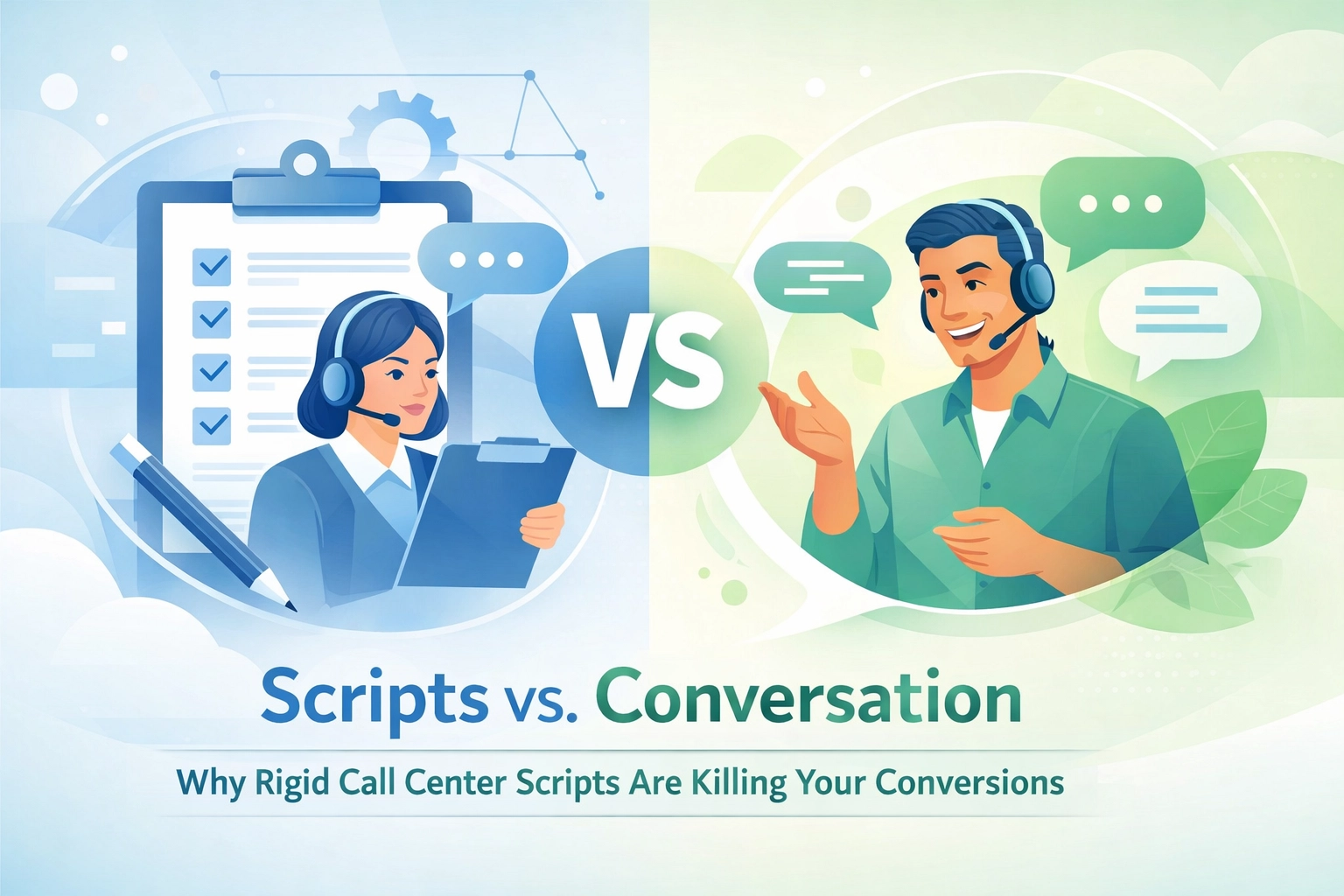
In that split second, the trajectory of a human life, and the success of your facility, hangs in the balance. Most call centers treat this as a transaction. They have a checklist of insurance questions and a script designed to "close." But here’s the cold, hard truth: If you lead with a script, you’ve already lost the heart of the caller.
At Ads Up Marketing, we see the data behind thousands of calls. We know that the difference between a high-converting admissions department and one that struggles isn't the size of the marketing budget, it’s the level of empathy displayed in those first sixty seconds.
The Mental State of the Caller: Breaking Through the Defensive Wall
When someone calls an addiction treatment center, they aren't just looking for information; they are undergoing a psychological crisis. According to SAMHSA, the barrier to entering treatment is often a combination of fear, stigma, and financial concern.
Psychologically, these callers are in a "fight or flight" state. Their amygdala is firing, their defenses are high, and they are hyper-sensitive to anything that feels like a sales pitch. If your intake coordinator sounds robotic or rushed, the caller’s brain flags the interaction as unsafe.
So what's the connection between empathy and conversion?
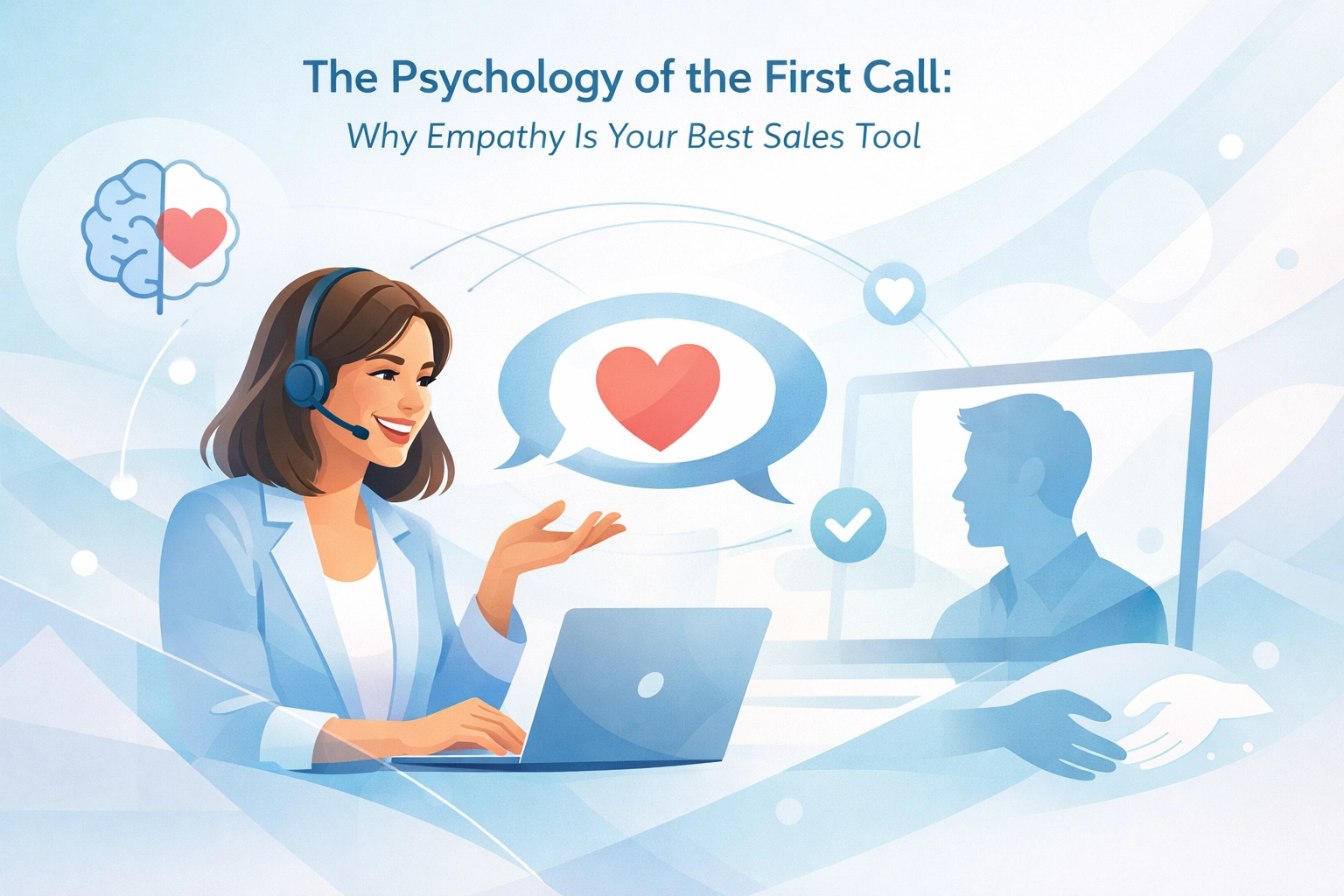
Empathy is the "neurological hack" that lowers these psychological defenses. When a caller feels heard, their nervous system begins to regulate. They move from a state of panic to a state of cooperation. This is why empathy is your single most powerful sales tool. It isn't about being "nice", it’s about creating a safe container where a vulnerable person can say "yes" to help.
Empathy vs. Sympathy: Why the Distinction Matters
In the world of drug rehab leads, many admissions teams confuse sympathy with empathy. This is a costly mistake.
- Sympathy is feeling for someone. It often sounds like, "I'm so sorry you're going through that." While well-intentioned, sympathy can actually create a power imbalance. It can feel pitying or dismissive.
- Empathy is feeling with someone. It’s the ability to step into their shoes and reflect their reality back to them.
As the National Association of Addiction Treatment Providers (NAATP) emphasizes, maintaining professional ethics while building rapport is essential. Empathy allows your team to remain the "expert guide" while still being human. It says, "I understand how heavy this burden is, and I am here to help you carry it toward a solution."

Tactical Empathy: How to Operationalize Connection
You might be thinking, "That sounds great, Lee, but how do I actually train my staff to do this?" Empathy isn't just a personality trait; it’s a skill that can be measured and improved. Here are three techniques that transform the first call from a cold intake to a life-saving connection:
1. Labeling the Emotion
When you hear pain or hesitation in a caller’s voice, don’t ignore it to get to the insurance questions. Label it.
- "It sounds like you’re feeling incredibly overwhelmed by all these options."
- "It seems like you’re worried about what your employer will think if you take this step."
By labeling the emotion, you validate their experience. Psychologically, this forces the brain to move from the emotional center to the rational center, making them more capable of making a decision to enter treatment.
2. The Power of Mirroring
Mirroring is simple but effective. Repeat the last three or four words the caller said, with a slight upward inflection.
- Caller: "I just don't think I can do this another day. I'm exhausted."
- Intake Agent: "You're exhausted?"
This encourages them to keep talking, revealing the "pain points" that will eventually help you overcome their objections to treatment.
3. Tactical Silence
In sales, we are taught to fear silence. In healthcare marketing, silence is a tool. After asking a poignant question or offering a reflection, stop talking. Give the caller space to breathe. Often, the most important information comes out in the silence after they think they’ve finished speaking.
Performance Impact: Empathy-First vs. Script-Driven
Does this actually impact your bottom line? Absolutely. Facilities that prioritize empathy-based training see higher VOB (Verification of Benefits) completion rates and significantly higher "show rates" for admissions.
| Metric | Script-Driven Approach | Empathy-First Approach |
|---|---|---|
| Initial Call Duration | 5–8 Minutes (Rushed) | 12–20 Minutes (Relational) |
| Lead-to-VOB Conversion | 18% | 34% |
| Admission Show Rate | 65% | 82% |
| Cost Per Admission (CPA) | Higher (High Lead Waste) | Lower (Maximized Utility) |
| Brand Reputation | Transactional/Cold | Trusted/Compassionate |
As you can see, slowing down to build rapport actually speeds up the conversion process in the long run. If you want to see how your current digital strategy is feeding into this funnel, check out our free website audit to ensure you're attracting the right kind of high-intent callers.
The "Sales" Component: Empathy as a Closer
We need to address the elephant in the room. You are running a business. You have beds to fill and staff to pay. Is empathy just a way to avoid being "salesy"?
Quite the opposite. Empathy is the most effective closing tool in existence.
When you truly understand a caller’s "Why": their fear of losing their kids, their desire to reclaim their health, their exhaustion from the cycle: you aren't "selling" them rehab. You are offering them a bridge back to their own life.
Instead of saying, "We have a spot open on Monday, do you want it?" an empathetic closer says: "Based on what you told me about wanting to be there for your daughter’s graduation in June, getting started this Monday is the best way to make sure you're healthy and present for that moment. Shall we get the travel details sorted?"
See the difference? You’re not pushing; you’re leading. If you're looking to refine your digital marketing service to better align with this human-centric approach, we can help.

Why Your Call Center is the "Black Box" of Your ROI
You can spend $50,000 a month on PPC and SEO, but if your first call experience is lacking empathy, you are effectively burning money. We call this the "Black Box." Owners often see leads going in but don't understand why admissions aren't coming out the other side.
Are you tracking how your team handles these calls? Conversion tracking isn't just about knowing which keyword clicked; it’s about analyzing the quality of the interaction.
Ask yourself these rhetorical questions:
- Does my team sound like they care, or do they sound like they’re reading a grocery list?
- Is the first thing we ask for an insurance ID card, or the caller's name?
- Do we follow up with the same level of care if they don’t commit on the first call?
How Ads Up Marketing Can Help
I know you’re struggling to keep your census full while maintaining the high ethical standards of the recovery industry. It’s a delicate balance. You need a partner who understands both the technical side of drug rehab marketing and the psychological nuances of the recovery journey.
At Ads Up Marketing, we don't just generate leads; we help you build a system that honors the person on the other end of the phone. From LegitScript certification to high-intent SEO, we ensure that when that phone rings at 2:00 AM, it’s a call you’re prepared to handle with both expertise and heart.
But this still doesn't drill down to the most important part: Action.
The psychology of the first call is a game-changer, but it only works if you implement it. Are you ready to stop treating your callers like data points and start treating them like the human beings they are?
If you want to increase your admissions and improve your ROI by mastering the art of the first call, reach out to us today. We can audit your current lead flow and help you implement the strategies that actually move the needle.
Ready to transform your admissions process? Give us a call at 305-539-7114 or contact us today to schedule a consultation.
Let’s stop chasing leads and start saving lives. Empathy isn't just your best sales tool: it’s the foundation of everything we do in this industry. Let’s make sure your marketing reflects that.