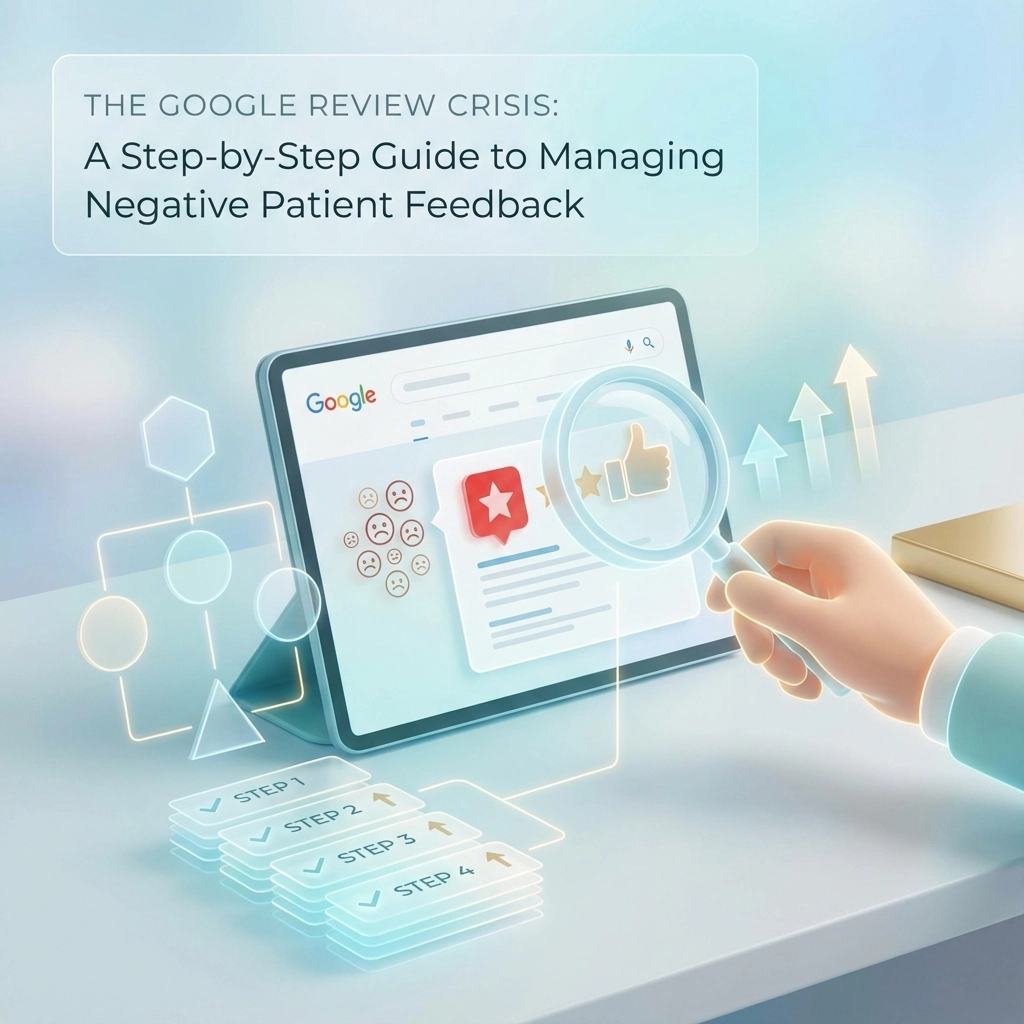
You wake up Monday morning, check your phone, and there it is, a brutal 1-star Google review from a former patient's family member. They're calling your facility "unprofessional," questioning your staff's competency, and worst of all, they're telling other families to "look elsewhere."
Your stomach drops. You know that 88% of consumers read online reviews before making a decision, and for addiction treatment, that percentage jumps even higher. When someone's looking for help at 2 AM in a crisis, those Google reviews might be the deciding factor between choosing your facility or your competitor down the street.
Managing negative Google reviews isn't just about damage control, it's about turning a potential reputation crisis into an opportunity to demonstrate your professionalism and commitment to patient care.
Why Negative Reviews Hit Treatment Centers Harder
Let's be real: the addiction treatment industry faces unique challenges when it comes to online reputation management. Unlike other healthcare sectors, your patients are dealing with deeply personal struggles, family trauma, and often, unrealistic expectations about recovery timelines.
A study by BirdEye found that 72% of patients won't consider a healthcare provider with ratings below 4 stars. For treatment centers, where trust is everything, even one poorly handled negative review can cost you multiple admissions.
But here's what most facility owners get wrong: they either ignore negative reviews completely or respond defensively. Both approaches backfire spectacularly.

The 7-Step Crisis Response System
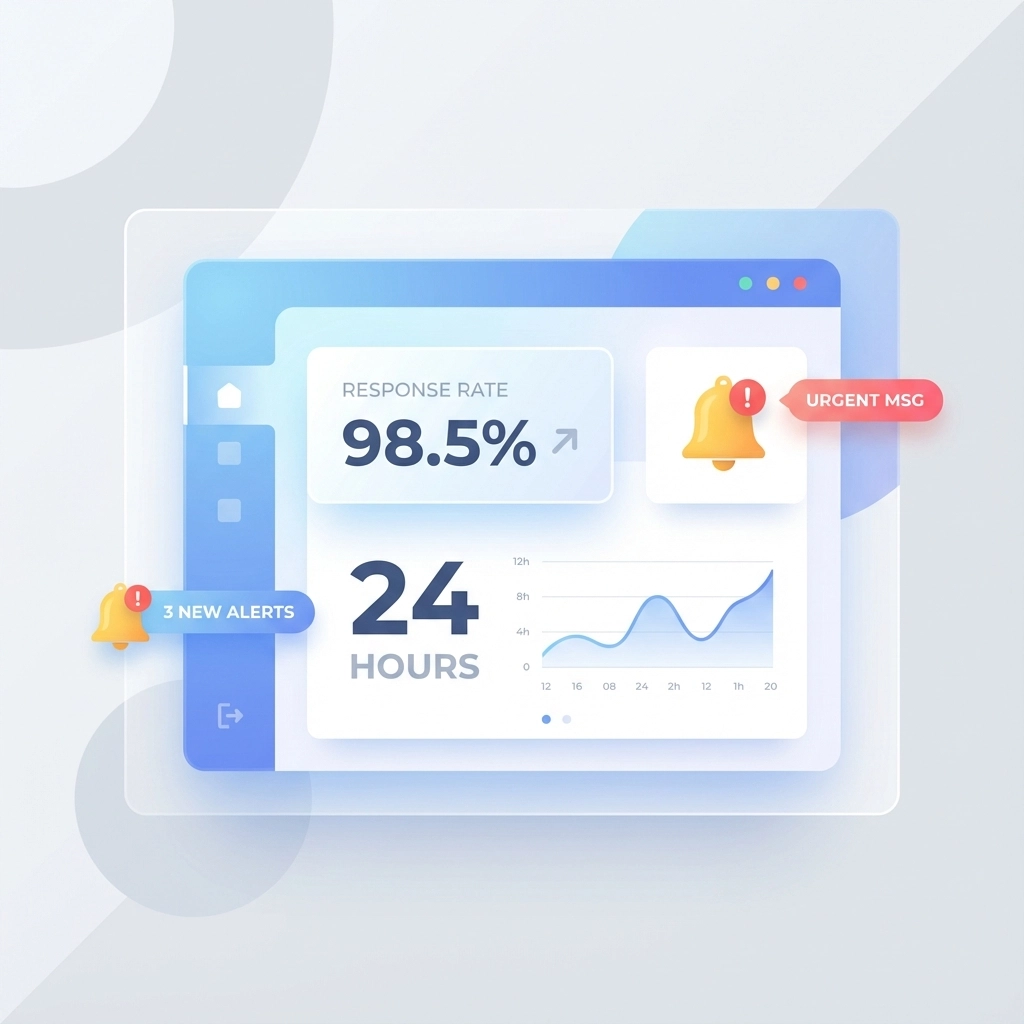
Step 1: The 24-Hour Response Rule
When you spot a negative review, your clock starts ticking. Guidance from Medical Economics recommends responding within 24 hours to demonstrate professionalism and build patient trust.
What to do immediately:
- Screenshot the review (in case it gets deleted later)
- Alert your clinical director and intake team
- Draft a response, but don't post it yet
- Review your internal records for this patient/family
Pro tip: Set up Google My Business notifications so you're alerted instantly when new reviews come in. Every hour you wait is another hour that review sits there, influencing potential patients.
Step 2: Analyze Before You Respond
Not all negative reviews are created equal. Some are legitimate complaints about your services, others are emotional outbursts from frustrated family members, and occasionally, you'll get fake reviews from competitors (yes, it happens).
Ask yourself these questions:
- Is there any truth to their complaint?
- Could this be a HIPAA violation if you respond with specific details?
- Is this person actually a former patient/family member?
- What's the underlying emotion behind their words?
According to Reputation.com, 67% of negative healthcare reviews stem from communication breakdowns, not actual clinical failures.
Step 3: Craft Your Public Response (The CARE Method)
Your response needs to be visible to everyone reading reviews, so it's really a message to future patients as much as it is to the reviewer.
C – Compassion: Acknowledge their experience with empathy
A – Accountability: Take responsibility where appropriate
R – Resolution: Offer to resolve the issue privately
E – Evidence: Demonstrate your commitment to quality care
Example response:
"Thank you for sharing your feedback. We're truly sorry to hear about your experience and understand how challenging this time has been for your family. We take all feedback seriously as it helps us improve our services. We'd appreciate the opportunity to discuss this matter with you directly. Please contact our Patient Relations Director at [phone number] so we can address your concerns properly."
Step 4: Take the Conversation Private
Never hash out details in public view. Your public response should always redirect to a private conversation. This serves two purposes:
- Protects patient privacy (HIPAA compliance)
- Shows other reviewers you're professional and solution-focused
What to prepare for the private call:
- Patient records (if they're actually a former patient)
- Timeline of their treatment and any incidents
- Your facility's policies that may be relevant
- A genuine willingness to make things right
Step 5: Document Everything
Every negative review interaction should be documented in your CRM or patient management system. This creates a paper trail and helps you identify patterns.
Track these details:
- Date and time of review
- Reviewer name (if identifiable)
- Summary of complaint
- Your response approach
- Resolution outcome
- Follow-up actions taken
According to Medical Economics, facilities that systematically track review patterns see 23% fewer repeat complaints about the same issues.
Step 6: Follow Up and Follow Through
If you promised action in your response, you'd better deliver. Nothing damages credibility faster than empty promises.
Common follow-through actions:
- Additional staff training on specific issues
- Policy updates based on legitimate complaints
- Physical facility improvements
- Enhanced communication protocols with families
The follow-up call: Reach out 30-60 days after resolving the issue to check in. Sometimes, satisfied former complainants become your strongest advocates.
Step 7: Leverage Positive Outcomes
When you successfully resolve a negative review situation, don't be shy about asking for updated feedback. A revised review or a completely new positive review carries significant weight with future patients.
How to make the ask:
"We're so glad we could address your concerns and improve your family's experience. If you feel comfortable doing so, we'd appreciate if you could share an updated review reflecting how we worked together to resolve this situation."
The Real Cost of Review Mismanagement
Let's break down what poor review management actually costs your facility:
| Issue | Cost Impact | Recovery Time |
|---|---|---|
| 1-star review (unresponded) | 3-5 lost admissions monthly | 6-12 months |
| Public HIPAA violation in response | Potential $50,000+ fine + reputation damage | 2-3 years |
| Defensive/argumentative response | 2x negative review visibility in search | 8-18 months |
| No systematic review monitoring | 15-25% decrease in inquiry conversion | Ongoing until addressed |
The math is brutal: A single poorly handled negative review can cost your facility $150,000+ in lost revenue over 12 months, assuming an average patient value of $30,000 and typical conversion rates.
When to Bring in the Professionals
Sometimes, managing negative Google reviews requires more than internal resources can handle. Here are the red flags that indicate you need expert help:
You need professional reputation management if:
- You're getting multiple negative reviews weekly
- Your overall Google rating has dropped below 4.2 stars
- You're spending more than 10 hours weekly managing reviews
- You've accidentally violated HIPAA in a public response
- Negative reviews are specifically mentioning the same operational issues repeatedly
The Proactive Prevention Strategy
The best crisis management is crisis prevention. Here's how successful treatment centers stay ahead of review problems:
1. Implement real-time feedback systems during treatment, not just at discharge
2. Train intake staff on setting realistic expectations with families
3. Create a dedicated Patient Relations role for handling complaints before they go public
4. Develop standardized communication protocols for difficult situations
5. Regularly audit your Google My Business listing for accuracy and completeness
Additionally, Healthgrades' 2026 hospital marketing trends highlight reputation management and patient feedback as top priorities for growth-minded providers.
According to Podium's 2023 Healthcare Report, treatment facilities that proactively request reviews from satisfied patients see 4x fewer damaging negative reviews, simply because the positive volume dilutes individual negative impacts.
How Professional Review Management Changes Everything
When you partner with a specialized healthcare marketing agency that understands the unique challenges of addiction treatment, you're not just getting review response services: you're getting a complete reputation protection system.
What professional management includes:
- 24/7 review monitoring across all platforms
- HIPAA-compliant response templates and training
- Crisis escalation protocols for severe situations
- Proactive positive review generation campaigns
- Integration with your CRM and patient management systems
- Monthly reputation analysis and improvement recommendations
The facilities we work with typically see their average Google rating improve by 0.8-1.2 stars within 90 days of implementing professional review management, which directly translates to 20-35% more qualified inquiries.
Your Next Steps
If you're reading this because you're currently dealing with a review crisis, take action today. Every day you wait, that negative review continues to impact your admissions and revenue.
But if you're being proactive (smart move), now's the time to implement systems before you need them.
Ready to protect your facility's reputation and increase admissions? Our team specializes in reputation management for addiction treatment centers. We understand HIPAA compliance, family dynamics, and the unique challenges you face.
Call us at 305-539-7114 to discuss how we can help you turn your Google reviews into a competitive advantage instead of a constant source of stress.
Don't let negative reviews control your facility's future. With the right strategy and professional support, you can transform your online reputation into your strongest marketing asset.