Remember when a $3,000 cost-per-admission felt like a gut punch? When you could run a Google Ads campaign, get some solid conversions, and still sleep at night knowing your marketing budget wasn't hemorrhaging cash?
Those days are gone.
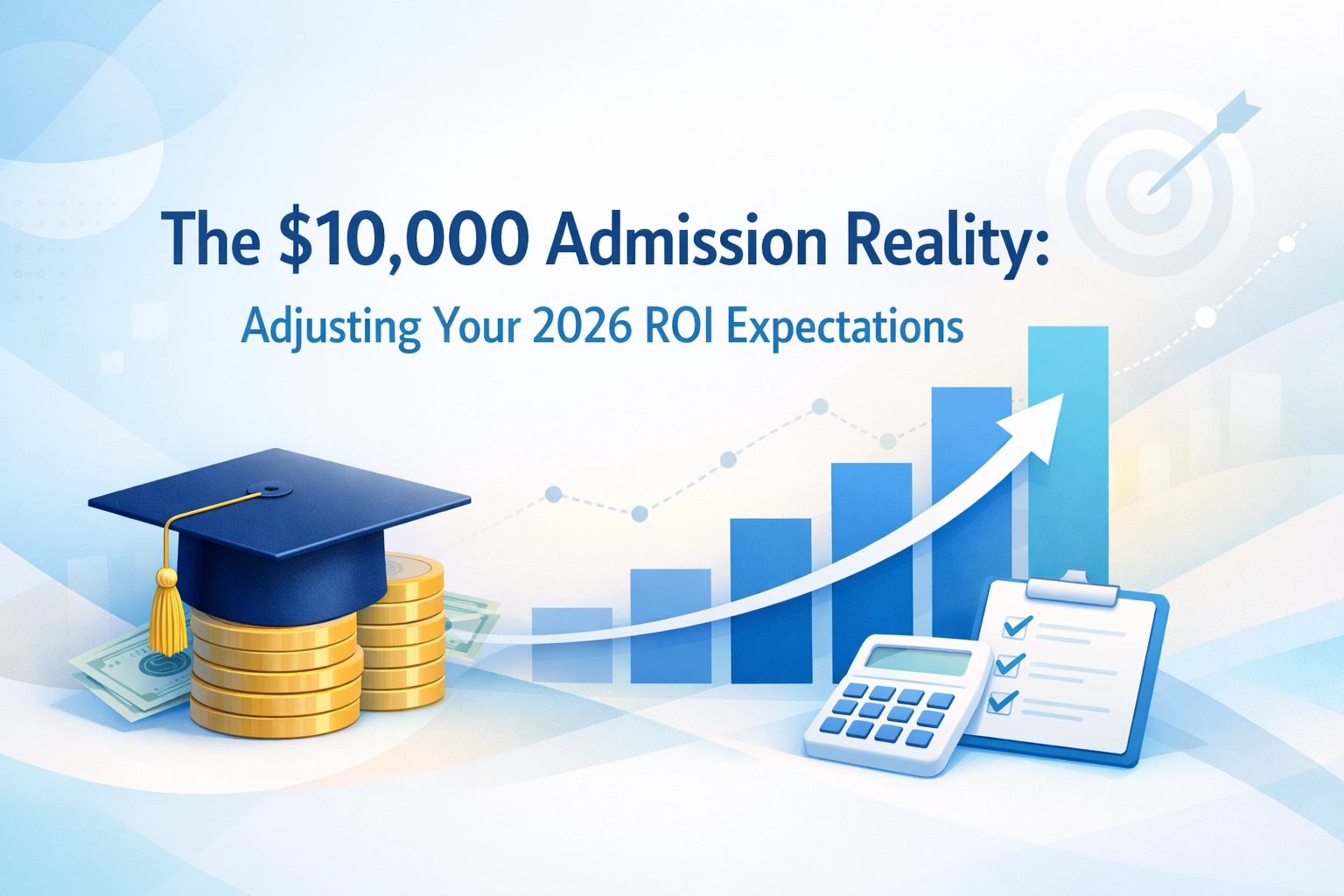
If you're running a residential treatment center in 2026, you're staring down a brutal new reality: high-acuity admissions are now costing facilities $10,000 or more in marketing spend. And for many owners, that number feels impossible to justify.
But here's the thing most marketing agencies won't tell you upfront: this isn't a sign you're doing something wrong. The entire landscape has shifted. Competition has exploded. Ad costs have skyrocketed. And the metrics you've been tracking for years? They're lying to you.
It's time to completely reset how you think about ROI in addiction treatment marketing.
The 2022 vs 2026 Performance Gap: What Changed?
Let's get real about what's happened over the last four years. The addiction treatment industry has seen seismic shifts in digital advertising costs, and most facility owners are still operating with outdated benchmarks.
Here's what the data actually shows:
| Metric | 2022 Benchmark | 2026 Reality | % Change |
|---|---|---|---|
| Average Cost-Per-Click (CPC) | $18–$25 | $35–$65 | +94% to +160% |
| Click-Through Rate (CTR) | 4.2% | 2.8% | -33% |
| Cost-Per-Lead (CPL) | $180–$250 | $450–$750 | +150% to +200% |
| Lead-to-Admission Rate | 12–15% | 7–10% | -33% to -42% |
| Cost-Per-Admission (CPA) | $2,800–$4,500 | $8,500–$12,000 | +204% to +167% |
| Average Quality Score | 6.5/10 | 5.2/10 | -20% |
These aren't isolated incidents. We're seeing this across drug rehab marketing campaigns nationwide. The rise in competition, stricter ad platform policies, and increased consumer skepticism have created a perfect storm.

According to the Substance Abuse and Mental Health Services Administration (SAMHSA), over 46 million Americans struggled with substance use disorder in 2023, yet treatment capacity hasn't kept pace. That growing demand has attracted more facilities, more advertisers, and more dollars competing for the same eyeballs.
Why "Vanity Metrics" Are Dead (And What Actually Matters)
Here's where most facility owners get stuck. You're obsessing over the wrong numbers.
Your PPC manager sends you a report: "Great news! We got your CPC down to $22 this month!" And you feel relief. Maybe even a little victory.
But then you look at your admissions dashboard, and the numbers haven't budged. You spent $40,000 on ads and admitted eight people. The math isn't mathing.
Cost-per-click means nothing if those clicks aren't converting.
The same goes for impressions, CTR, and even website traffic. These are vanity metrics. They look good on a report, but they don't pay your staff salaries or keep beds full.
What actually matters in 2026:
- Cost-Per-Qualified-Lead – Not just any lead. A lead that matches your ideal patient profile and has realistic insurance coverage.
- Lead-to-Admission Conversion Rate – This tells you if your intake process is actually closing the deal.
- Lifetime Patient Value – What's a patient worth over their entire treatment journey, including aftercare and alumni referrals?
- Return on Ad Spend (ROAS) – For every dollar you spend on PPC management, how much revenue comes back?
These are the metrics that determine whether you're building a sustainable business or slowly draining your reserves.
The Real Cost of "Cheap" Leads
Let's talk about something uncomfortable: not all admissions are created equal.
You might be celebrating a $4,000 CPA when your competitor is paying $11,000. But if your admissions are predominantly Medicaid or low-reimbursement insurance, and theirs are private-pay or high-tier PPO, who's actually winning?
A $10,000 admission that brings in $35,000 in revenue beats a $3,000 admission that nets you $12,000 every single time. The cost per admission is higher, but the profit per admission tells the real story.
This is why facility owners need to stop chasing "affordable marketing" and start chasing profitable marketing. There's a massive difference.

How to Adjust Your ROI Expectations (Without Losing Your Mind)
Okay, so if $10,000+ per admission is the new normal, how do you make the math work without going broke?
1. Segment Your Patient Population
Stop treating all leads like they're the same. Create different acquisition strategies for:
- High-acuity, private-pay clients (expect $8k–$15k CPA)
- PPO insurance clients (expect $5k–$10k CPA)
- Medicaid or low-tier plans (expect $2k–$5k CPA)
Allocate your budget accordingly. If private-pay clients generate 3x the revenue, they can justify 3x the acquisition cost.
2. Extend Your Attribution Window
A lead that doesn't convert today might convert in 45 days. Are you tracking that? Most facilities lose track of leads after two weeks, which means they're undercounting conversions and inflating their perceived CPA.
Implement a CRM that tracks leads over 90+ days. You'll often find your true CPA is 20-30% lower than you thought.
3. Optimize Beyond the Click
You can't control what Google charges per click. But you can control what happens after someone lands on your site.
Are your landing pages optimized for mobile? Is your phone number clickable? Do you have live chat for instant engagement? Does your intake team answer calls within 60 seconds?
Our conversion tracking services help facilities identify exactly where leads are dropping off so you can plug the leaks before they cost you tens of thousands in wasted spend.
4. Shift to Long-Term Value Metrics
Stop measuring success month-to-month. Start measuring it over a 12-month period. Factor in:
- Readmissions (they're not failures; they're repeat revenue if you have proper aftercare)
- Referrals from alumni and families
- Extended care or sober living transitions
A patient who costs $10,000 to acquire but refers three others and stays engaged with your alumni program for two years? That's a phenomenal ROI.
What This Means for Your 2026 Marketing Strategy
If you're still running campaigns the way you did in 2022, you're burning money.
Here's what needs to change:
Stop relying on broad keyword targeting. The days of bidding on "drug rehab" and hoping for the best are over. You need surgical precision. That means negative keywords, geotargeting, demographic layering, and constant optimization.
Invest in retargeting. Someone who visits your site once and bounces isn't a lost cause. With retargeting campaigns, you can stay in front of them across the web until they're ready to call. The cost per conversion on retargeting is often 40-60% lower than cold traffic.
Build a referral engine. Marketing to strangers will always be expensive. Marketing to people who've been referred by someone they trust? That's cheap (and way more effective). Create systems that turn every admission into a potential referral source.
Track everything. If you're not measuring lead sources, call duration, admission reasons, and patient outcomes, you're flying blind. Data is the only way to know what's working and what's wasting money.
Wondering where your current campaigns are leaking money? Give us a call at 305-539-7114 and we'll walk you through a free audit that shows you exactly where to tighten up your spend.
Why Most Facilities Are Struggling With This Transition
Look, we get it. You didn't open a treatment center to become a digital marketing expert. You did it to help people get sober, rebuild their lives, and find lasting recovery.
But in 2026, the business side is more complex than ever. Insurance reimbursements are shrinking. Compliance requirements are stricter. Staffing costs are through the roof. And now your marketing costs have doubled while your conversion rates have dropped.
That's not a recipe for sustainability.
The facilities that are thriving right now? They're the ones who've partnered with agencies that specialize in addiction treatment marketing: not generalist agencies trying to apply e-commerce tactics to healthcare.
At Ads Up Marketing, we've managed millions in ad spend exclusively for treatment centers and behavioral health facilities. We know the compliance landscape. We understand HIPAA. We've navigated the evolving ad policies on Google and Facebook. And we've helped facilities go from bleeding cash to profitably scaling their census.
When you work with us, you're not just getting campaign management. You're getting:
- Full-funnel tracking so you know exactly where every dollar goes
- Weekly optimization to catch wasted spend before it spirals
- Custom ROI modeling tailored to your specific payer mix and patient population
- Transparent reporting that focuses on admissions, not vanity metrics
We don't hide behind industry jargon or bury bad news in dense reports. If something's not working, we tell you. And then we fix it.
The Bottom Line: $10K CPA Isn't the Enemy
Here's the truth most people don't want to hear: a $10,000 cost-per-admission isn't inherently bad. It's only bad if your revenue per patient is $8,000.
If you're bringing in $30,000, $40,000, or $50,000+ per admission, a $10K acquisition cost is not just sustainable: it's smart business. You're investing in growth, not gambling on hope.
The real question isn't "How do I get my CPA lower?" It's "How do I ensure every dollar I spend is generating positive ROI?"
That's where strategy, expertise, and relentless optimization come in.
Stop trying to do this alone. Stop settling for agencies that don't understand the treatment space. And stop letting outdated benchmarks dictate your decisions.
Ready to see what's actually possible when your marketing is dialed in? Call 305-539-7114 today or visit our contact page. Let's build a strategy that actually makes sense for 2026: and beyond.