INSIGHTS
Are You Making These Common ROI Mistakes? 10 Reasons Your Treatment Center Marketing Isn't Working
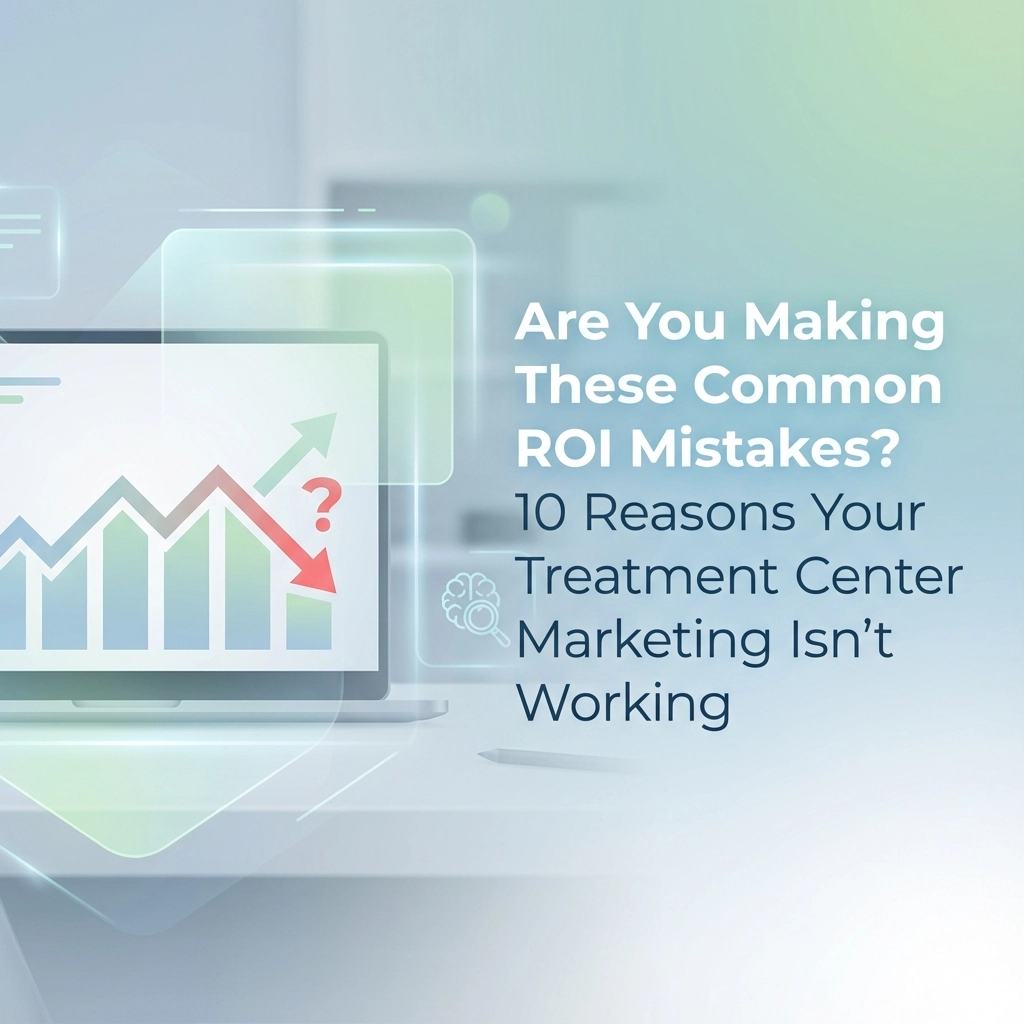
If you're spending thousands on marketing but your admissions numbers aren't budging, you're not alone. Most treatment center owners are unknowingly sabotaging their own ROI with mistakes that seem minor but cost major dollars.
The average treatment center spends between $8,000-$15,000 per admission on marketing, yet many facilities struggle to maintain consistent census numbers. Why? Because they're making predictable, expensive mistakes that drain budgets faster than they fill beds.
Let's dive into the 10 most common ROI killers that are bleeding your marketing budget dry: and more importantly, how to fix them.
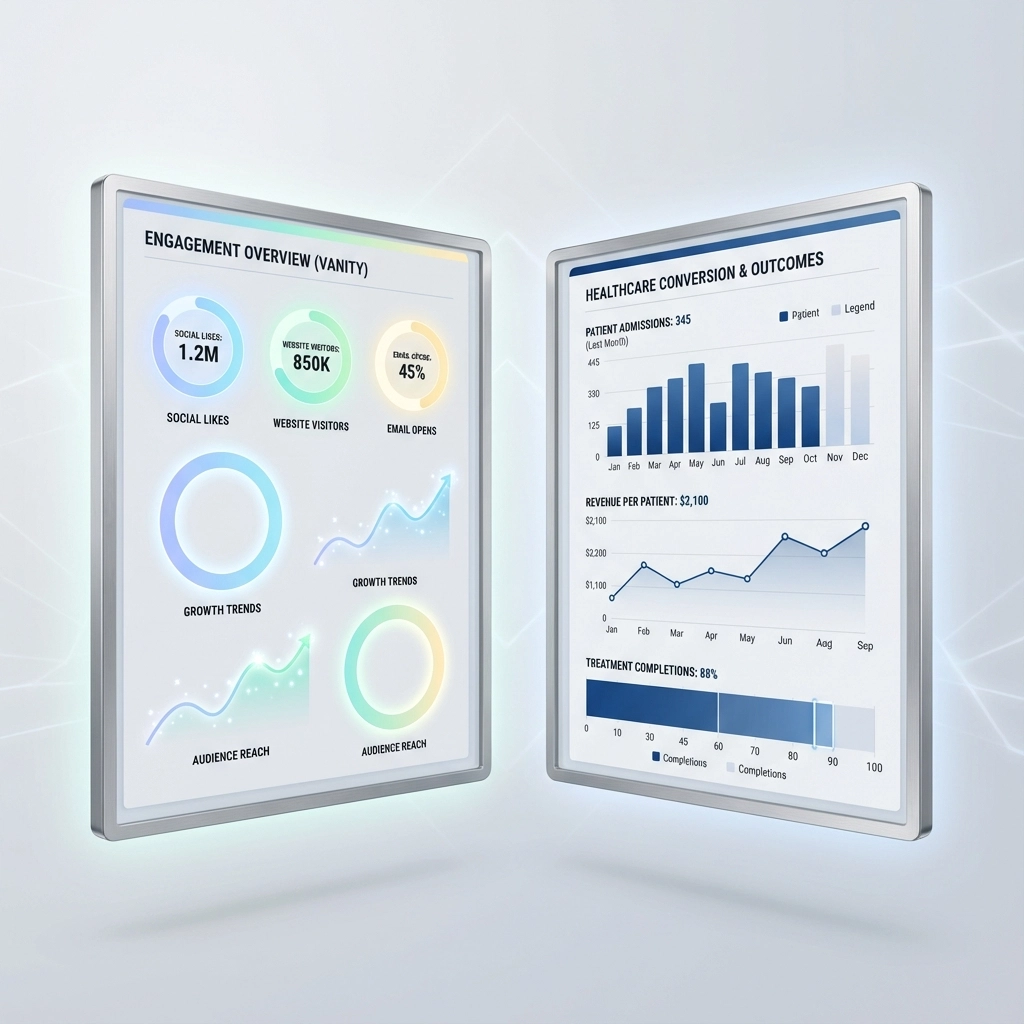
1. You're Obsessing Over Vanity Metrics Instead of Real Conversions
Here's the brutal truth: your 50,000 monthly website visitors mean absolutely nothing if they're not picking up the phone or walking through your doors.
Most centers get excited about traffic spikes, social media engagement, and email open rates while completely ignoring the metrics that actually matter: scheduled assessments, completed admissions, and revenue per patient. According to SAMHSA's Treatment Episode Data Set, only about 11% of people who need treatment actually receive it, which means your conversion rates should be laser-focused on that small percentage ready to act.
The Fix: Track admissions-focused KPIs like cost per qualified lead, lead-to-admission conversion rate, and patient lifetime value. These numbers tell the real story of your marketing ROI.
2. You're Using Broken Attribution Models
First-touch and last-touch attribution are killing your budget allocation decisions. Treatment seekers typically interact with your brand 7-12 times before making an admission decision, yet most centers only track the first or final touchpoint.
This creates a distorted view of what's actually working. Your expensive Google Ads might get first-touch credit, but that organic blog post about family intervention could be what finally convinced someone to call.
The Fix: Implement multi-touch attribution tracking that shows the complete patient journey. Tools like Google Analytics 4 and specialized healthcare CRMs can provide this visibility.
3. Your Tracking Setup Is Completely Wrong
We see this disaster constantly: centers running five-figure monthly ad campaigns with broken conversion tracking. They're counting form submissions as "conversions" when half those forms are spam, insurance inquiries, or people in the wrong state.
Even worse, many facilities double-count conversions across platforms, inflating their success metrics while wondering why their actual admission numbers don't match their "conversion" reports.
The Fix: Set up proper conversion tracking that follows leads through your entire intake process. Track phone calls, form submissions, scheduled assessments, and completed admissions separately. Use verified conversion data to optimize campaigns.
4. You're Marketing to the Wrong Person
This might be the most expensive mistake on this list. Most treatment centers aim their marketing directly at the person struggling with addiction, when families and loved ones make about 70% of treatment decisions.
Your website talks about "your recovery journey" and "taking the first step" when mom, dad, or a spouse is actually the one researching options at 2 AM, desperate for help. This misalignment wastes massive ad spend on the wrong audience.
The Fix: Create separate marketing funnels for different decision-makers. Target concerned family members with education about intervention, insurance coverage, and what to expect during treatment. Reserve direct-to-patient messaging for specific scenarios like professional referrals.
| Target Audience | Conversion Rate | Average Cost per Lead | Messaging Focus |
|---|---|---|---|
| Family Members | 15-22% | $180-$240 | Support, process, outcomes |
| Direct Patient | 3-8% | $320-$450 | Personal empowerment, hope |
| Professional Referrals | 35-50% | $90-$150 | Clinical outcomes, protocols |
5. You're Selling Amenities Instead of Outcomes
Your marketing sounds like a resort brochure. Gourmet meals, luxury accommodations, scenic views: meanwhile, families want to know if their loved one will actually get sober and stay sober.
Centers that lead with success rates, graduate testimonials, and long-term recovery outcomes consistently outperform those focused on facility features. One of our clients increased qualified leads by 47% simply by replacing amenity-focused homepage content with recovery success stories.
The Fix: Lead every piece of marketing with outcomes. Share success rates, recovery milestones, and graduate achievements. Save the amenity discussions for later in the sales process when you're differentiating between treatment options.
6. Your Content Strategy Is Generic and Useless
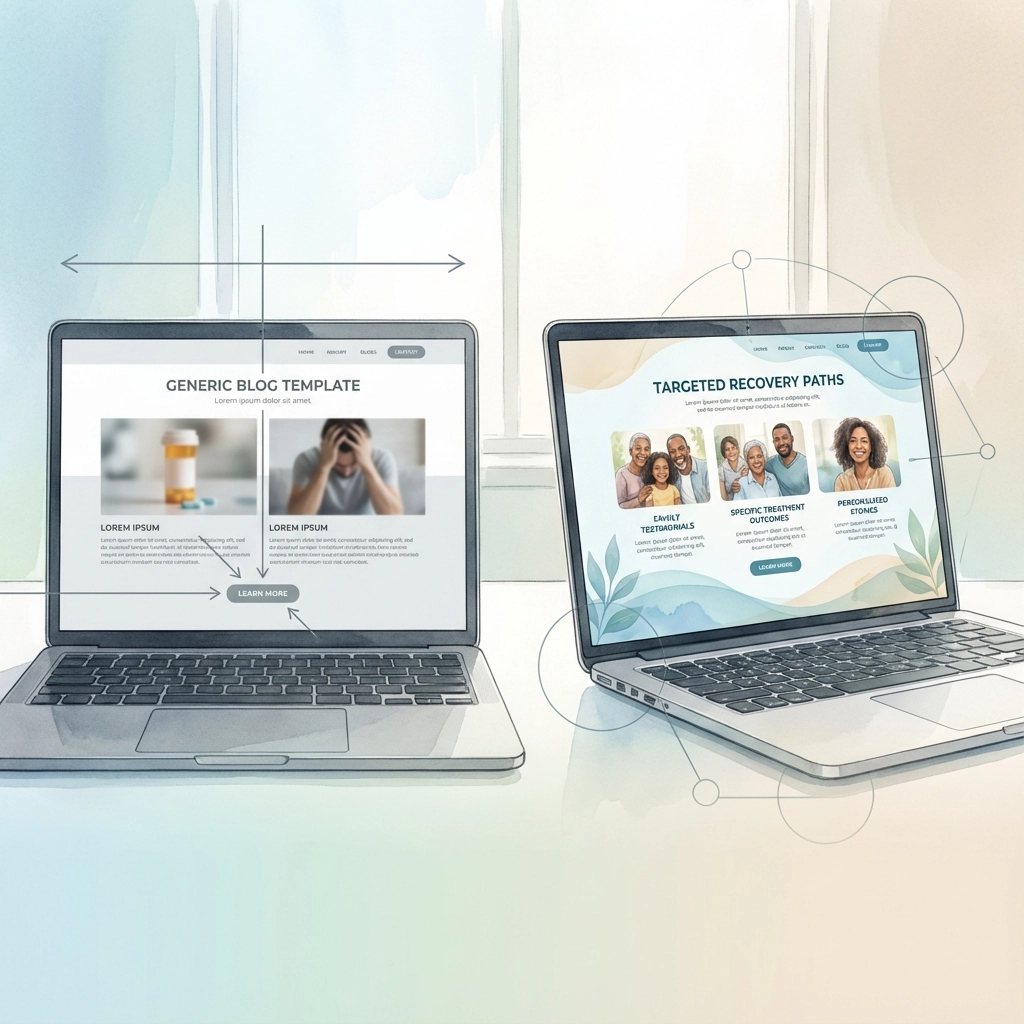
Your blog reads like every other treatment center's blog: generic addiction information that could apply to any facility. "10 Signs of Addiction" and "What to Expect in Rehab" articles don't differentiate you or drive admissions.
Meanwhile, families are searching for specific information like "how to stage an intervention for someone who's been to treatment before" or "what insurance covers 90-day residential programs." This high-intent content generates qualified traffic that actually converts.
The Fix: Create content that addresses specific scenarios your target families face. Answer the questions your intake coordinators hear every day. Build authority around your specialties and unique treatment approaches.
7. You're Ignoring Healthcare Compliance Requirements
Generic marketing agencies treat addiction treatment advertising like any other business, violating platform policies and healthcare regulations. Facebook and Google have specific rules for addiction treatment advertising that can get your accounts suspended without warning.
Even worse, compliance violations can result in legal issues. According to recent industry data, about 22% of addiction treatment providers have faced regulatory scrutiny due to marketing practices that didn't meet healthcare standards.
The Fix: Work with marketing specialists who understand HIPAA regulations, addiction treatment advertising policies, and healthcare compliance requirements. It's cheaper than dealing with suspended accounts and legal complications.
8. Your Intake Process Kills Conversions
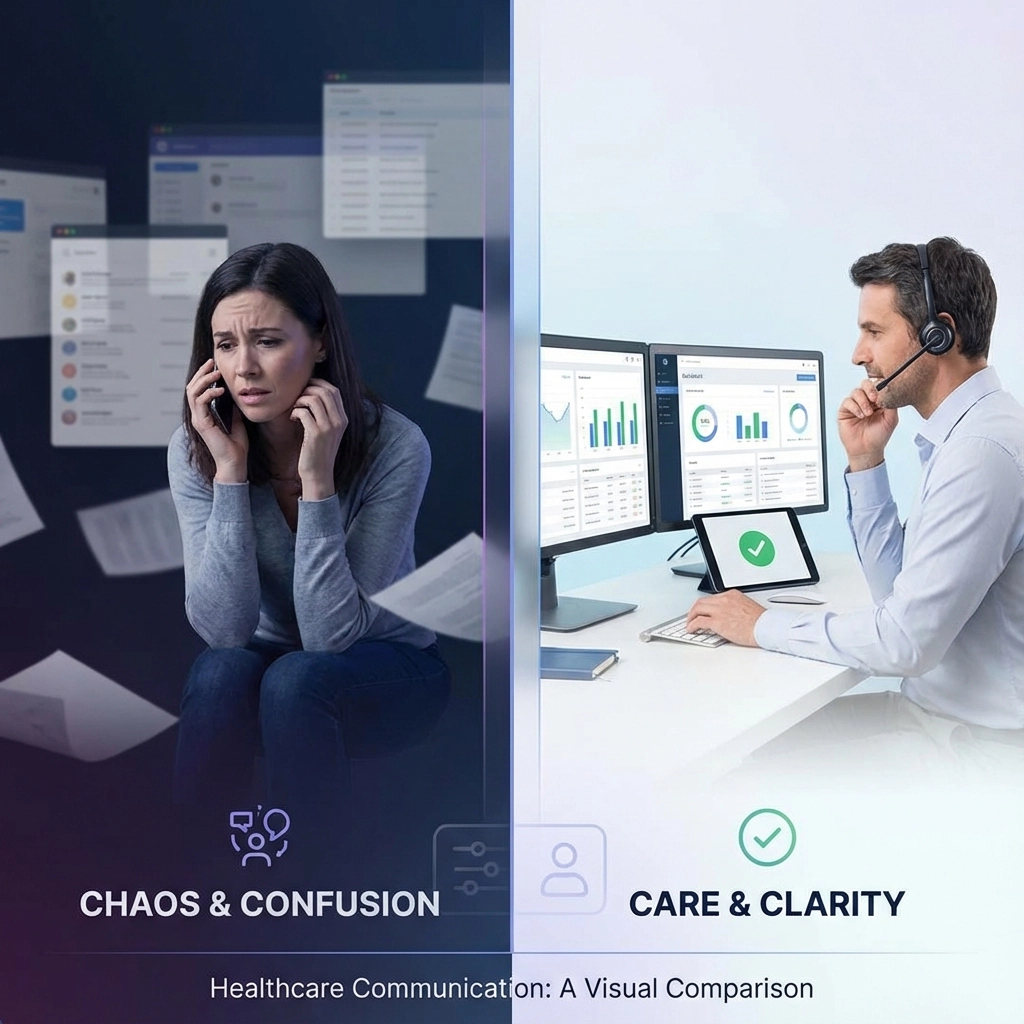
Perfect marketing can't save a broken intake process. When families call in crisis, they need immediate, knowledgeable responses. Voicemail systems, long hold times, and undertrained staff destroy conversion rates faster than any marketing mistake.
We've tracked calls where interested families hang up after being transferred three times or asked to "call back during business hours" during a mental health emergency.
The Fix: Audit your entire intake process. Mystery shop your own phone system. Train staff to handle crisis calls with empathy and urgency. Consider 24/7 intake availability for true emergencies.
9. You Have No Clear Differentiation Strategy
With over 14,000 addiction treatment facilities in the US, generic positioning is marketing suicide. If your website could belong to any treatment center after removing your logo, you have a differentiation problem.
Successful centers develop clear specializations: gender-specific programs, dual diagnosis expertise, specific detox protocols, or unique therapeutic approaches. This focused positioning attracts qualified prospects and reduces price competition.
The Fix: Identify what makes your clinical approach unique. Develop messaging around your specializations. Consider our guide on residential treatment facility business growth for positioning strategies that work.
10. You're Flying Blind Without Proper Analytics
Most treatment centers can't answer basic questions about their marketing performance: Which campaigns generate admissions versus inquiries? What's the lifetime value of patients from different sources? How long is your typical sales cycle?
Without this data, you're making expensive decisions based on gut feelings rather than performance metrics. You might be cutting budgets from your best-performing channels while doubling down on waste.
The Fix: Implement comprehensive tracking that connects marketing data with clinical outcomes. Use tools that can track leads through admission, treatment completion, and even long-term recovery outcomes when possible.
The Real Cost of These Mistakes
Here's what these mistakes actually cost you:
- Broken tracking: 20-40% budget waste on ineffective campaigns
- Wrong audience targeting: 60% higher cost per qualified lead
- Generic content: 70% lower organic traffic conversion rates
- Poor intake process: 30-50% conversion rate losses
- No differentiation: Constant price competition and margin pressure
Combined, these mistakes can easily double your cost per admission while cutting your conversion rates in half.
Stop the Bleeding: Here's Your Next Step
The treatment industry is too important for ineffective marketing. Families in crisis deserve to find you when they're ready to seek help, and your facility deserves sustainable growth that doesn't drain your budget.
These ROI mistakes are expensive, but they're also completely fixable with the right strategy and expertise. At Ads Up Marketing, we've helped treatment centers eliminate these costly errors and build marketing systems that actually drive admissions.
If you're tired of watching marketing budgets disappear without results, let's talk. We'll audit your current setup, identify your biggest ROI leaks, and show you exactly how to fix them.
Call us at 305-539-7114 for a free marketing ROI assessment. We'll review your current campaigns, tracking setup, and conversion process to show you where your money's going: and how to get better results starting this month.
Your community needs what you offer. Let's make sure they can find you when it matters most.