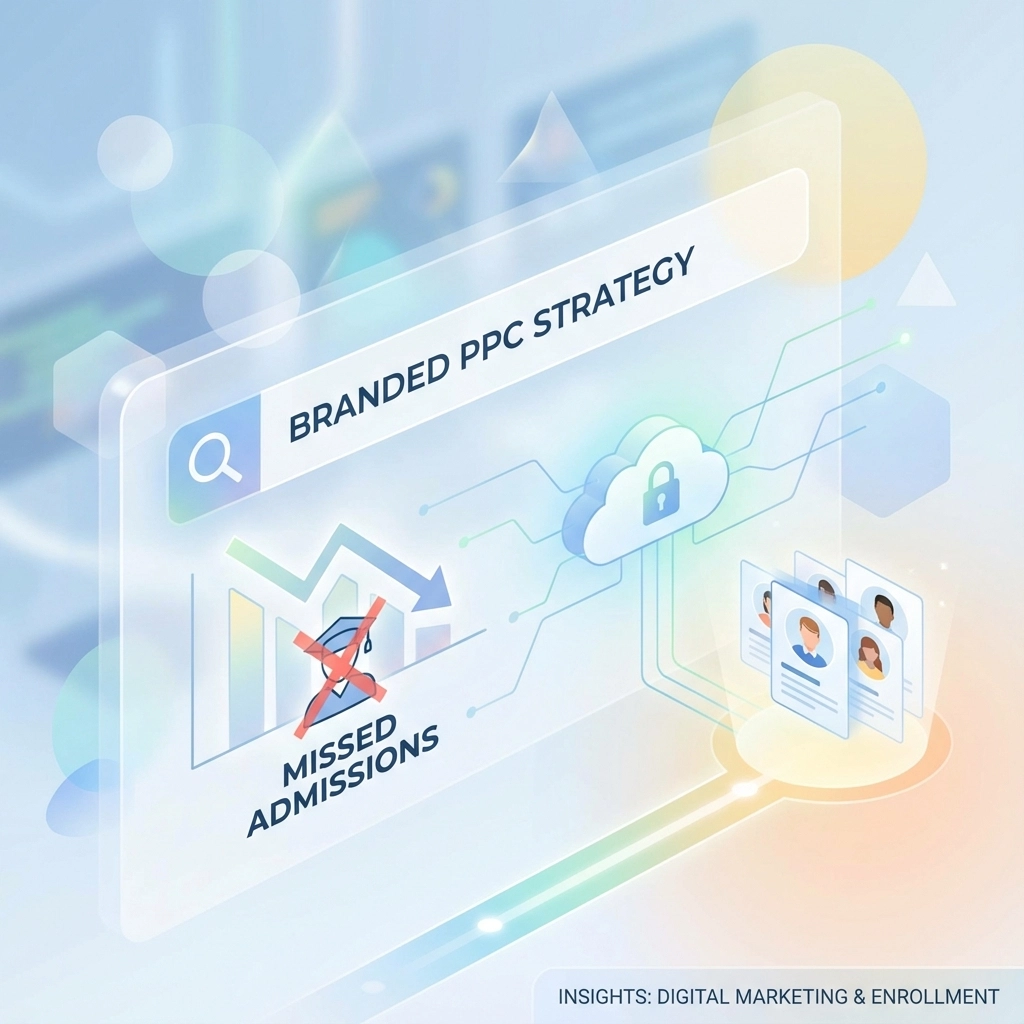
You're paying Google to show ads when people search for your treatment center by name. Makes sense, right? You want to protect your brand, control the messaging, and capture everyone looking specifically for your facility.
But here's what's happening: you're spending 60-80% of your PPC budget on people who were already going to find you anyway, while the families desperately searching for "detox near me" or "residential treatment for my son" are clicking on your competitors' ads instead.
Your branded strategy isn't protecting your admissions: it's actively preventing new ones from happening.
The Comfort Zone That's Killing Your Census
Branded PPC feels safe because the numbers look good on paper. High click-through rates, lower cost-per-click, and decent conversion rates create the illusion that your marketing is working. Your monthly reports show green arrows pointing up, and everyone feels good about the "ROI."
But let's dig deeper into what's really happening. When someone searches for "[Your Facility Name] detox" or "[Your Facility Name] reviews," they're already in your funnel. They've heard about you from a referral, found you organically, or saw your facility mentioned somewhere else. These people were going to call you whether you ran branded ads or not.
Meanwhile, there's a massive pool of families actively searching for help right now: people typing "alcohol detox programs," "heroin addiction treatment," or "residential rehab for young adults": and you're nowhere to be found because your budget is tied up protecting traffic you already owned.

The Census Stagnation Trap
Here's the brutal math: if 70% of your PPC budget goes toward branded terms, you're essentially paying to intercept your own organic traffic while your competitors capture the genuinely new opportunities. This creates what we call "census stagnation": your occupancy rates plateau because you're not actually expanding your patient acquisition beyond your existing referral network and reputation.
You might maintain your current census levels, but you'll never grow beyond them. Worse yet, as your competitors invest more heavily in non-branded, high-intent keywords, they start capturing the families who would have eventually found you through word-of-mouth or referrals. Your branded strategy becomes a defensive move that slowly loses ground.
Consider this scenario: a mother in your area searches "residential treatment for addiction" at 2 AM after finding drugs in her son's room. She's ready to act immediately: her insurance is good, her family has the means for private pay, and she needs help now. But because your budget is focused on people already searching for your facility name, your competitor's ad appears first. They get the call, they get the admission, and you never even knew that potential patient existed.
What High-Intent Non-Branded Keywords Actually Look Like
For detox and residential treatment centers, high-intent non-branded keywords represent families and individuals who are ready to take action. These aren't information seekers browsing articles about addiction: these are people actively looking for treatment options.
High-Intent Detox Keywords:
- "medical detox near me"
- "alcohol detox programs [city]"
- "drug detox center"
- "inpatient detox facility"
- "24-hour detox admission"
High-Intent Residential Keywords:
- "residential addiction treatment"
- "30-day inpatient rehab"
- "long-term drug treatment"
- "residential treatment [specific drug]"
- "inpatient rehab with insurance"
The difference in search intent is massive. Someone searching "what is drug addiction" is in the awareness phase and might convert in weeks or months. Someone searching "residential heroin treatment near me" is ready to make a decision today.

The Math on Budget Allocation and Cost-Per-Admission
Let's break down the real cost-per-admission (CPA) math when you're over-investing in branded terms:
Scenario A: 70% Branded Focus
- Monthly budget: $15,000
- Branded spend: $10,500 (captures 8 admissions you would have gotten anyway)
- Non-branded spend: $4,500 (generates 2 truly new admissions)
- Total new census growth: 2 admissions
Scenario B: Rebalanced Strategy
- Monthly budget: $15,000
- Branded spend: $4,500 (maintains brand protection)
- Non-branded spend: $10,500 (generates 7-8 new admissions)
- Total new census growth: 7-8 admissions
The difference is staggering. By reallocating your budget toward high-intent non-branded keywords, you can potentially triple your new patient acquisition without spending an additional dollar.
Your true CPA calculation should focus on incremental admissions: patients who wouldn't have found you otherwise. When you measure branded campaigns this way, the numbers tell a very different story about ROI.
The Competitive Reality in Behavioral Health Marketing
While you're bidding on your own facility name, your competitors are aggressively targeting the non-branded keywords that capture families in crisis. Large treatment aggregators and well-funded competitors have teams dedicated to identifying and dominating these high-intent search terms.
They're not just competing for clicks: they're competing for your future census.
Every family that calls a competitor because they found them first through a non-branded search is a missed opportunity for your facility. And here's the concerning part: once a family begins the admissions process with another facility, you've likely lost them permanently. The emotional and logistical investment in starting treatment creates strong momentum toward completing it at that chosen facility.
This means that over-investing in branded terms while under-investing in new patient acquisition isn't just limiting your growth: it's actively contributing to your competitors' growth.

Rebalancing Your Strategy for Sustainable Growth
Shifting from branded-heavy to growth-focused PPC requires a strategic reallocation that maintains brand protection while maximizing new patient acquisition:
Step 1: Audit Your Current Keyword Performance
Review the last 90 days of your PPC performance and categorize every keyword as either "branded" or "non-branded." Calculate the true incremental value of your branded campaigns by estimating how many of those conversions would have happened through organic search or direct traffic anyway.
Step 2: Implement Smart Branded Protection
You don't need to abandon branded campaigns entirely, but you can make them more efficient. Focus your branded budget on:
- Exact match branded terms only
- Competitor name variations to prevent hijacking
- Branded terms with negative sentiment modifiers
Step 3: Expand High-Intent Non-Branded Targeting
Develop comprehensive keyword lists around:
- Treatment level + location combinations
- Substance-specific treatment searches
- Insurance-related treatment queries
- Urgency-based modifiers ("immediate," "emergency," "tonight")
Step 4: Create Dedicated Landing Pages
Non-branded traffic should land on pages specifically designed for families who don't know your facility yet. These pages need to quickly establish credibility, address common concerns, and provide clear paths to contact your admissions team.
Your Next Steps for Sustainable Census Growth
The transition from branded-heavy to growth-focused PPC doesn't happen overnight, but the results can be dramatic when executed correctly. Start by reallocating just 20-30% of your branded budget toward high-intent non-branded keywords for the next 30 days and measure the incremental admissions generated.
Track these specific metrics:
- New patient calls from non-branded sources
- Admission conversion rates by traffic source
- Geographic expansion of your patient base
- Month-over-month census growth from new acquisitions
The goal isn't to eliminate branded protection entirely: it's to stop letting branded campaigns consume budget that could be generating real growth. Your facility's reputation and organic presence should handle most of the brand recognition work, while your PPC budget focuses on capturing families who need help but don't know you exist yet.
Remember: every family searching for treatment represents a potential life saved. When your marketing strategy prioritizes protecting existing awareness over reaching new people in crisis, you're not just limiting business growth: you're limiting your impact on the addiction crisis in your community.
The question isn't whether branded PPC has value: it's whether the amount you're investing in it aligns with your actual growth goals and the urgent need for treatment in your area.