
Picture this: A desperate family calls your intake team at 2 AM, their loved one finally ready for treatment after months of resistance. Your intake specialist handles the call perfectly, insurance gets verified, and they're ready to admit. But then comes the hesitation: "Can we see what the facility actually looks like first?"
Without a virtual tour, you're asking families to make a $30,000+ decision based on stock photos and promises. In healthcare, virtual orientation tools consistently reduce patient anxiety and increase comfort and understanding before arrival—exactly the kind of trust-building you need in admissions (PMC; PubMed). And when it comes to treatment centers, this preference isn't just about convenience: it's about trust, transparency, and removing every possible barrier between a family in crisis and life-saving care.
Why Virtual Tours Are Your Secret Admission Weapon
Virtual tours don't just show your facility: they remove the unknown. Families struggling with addiction are already dealing with enough uncertainty. When they can virtually "walk" through your detox unit, see the actual bedrooms, dining areas, and therapy spaces, you're eliminating one of the biggest conversion killers: fear of the unknown.
Healthcare evidence backs this up. Virtual pre-visit experiences and VR have improved patient preparedness, engagement, and satisfaction in clinical settings, including preoperative care and hospital navigation—outcomes that translate into faster, more confident decisions (Annals of Surgery; Fortune Journals; Inderscience).
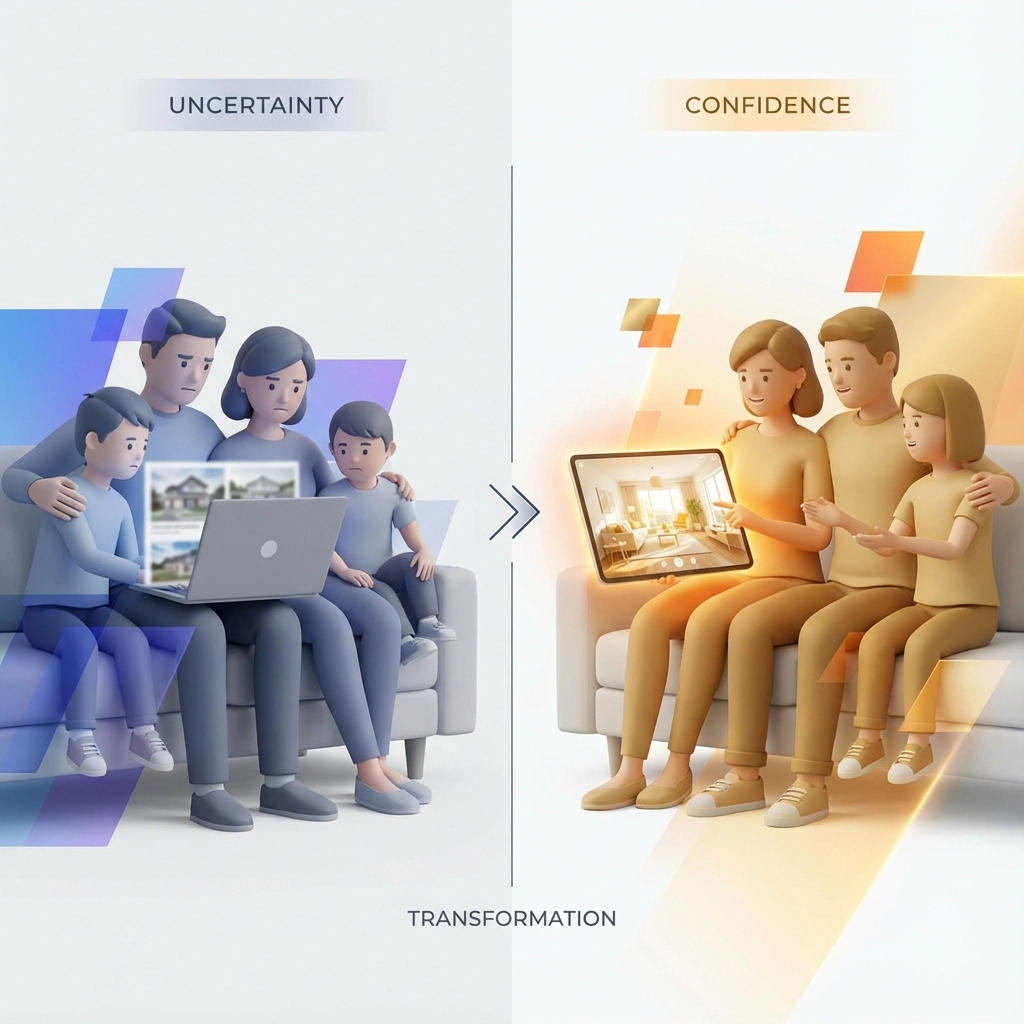
Think about what that means for your admissions timeline. Every day someone waits to enter treatment increases their risk of relapse, overdose, or simply changing their mind. Virtual tours compress that decision-making window by building confidence before the family even visits.
The ROI Numbers That'll Make Your CFO Smile
Let's talk real money. In healthcare, transparent visuals and accessible information materially influence provider selection. Consumers actively look for comparative quality and cost data when choosing care (McKinsey), and cancer patients report using hospital reputation, outcomes, and satisfaction metrics to decide where to go (ASCO JOP).
For treatment centers, the conversion impact is even more dramatic. When families can see that your "luxury residential" actually looks luxurious: not like a converted office building with stock furniture: you eliminate the credibility gap that kills so many admissions.
Virtual tours reduce pre-visit uncertainty and make families more decisive and prepared to admit—studies show virtual walk-throughs increase comfort, familiarity, and understanding before care (PMC; PubMed). That translates to higher show rates, shorter sales cycles, and lower acquisition costs per admission.
Breaking Down the Trust Barrier
Here's what most treatment center owners don't realize: families aren't just evaluating your clinical program when they call. They're trying to determine if you're legitimate, safe, and actually capable of helping their loved one. Stock photos and generic facility descriptions don't answer those questions.
Virtual tours provide transparency that builds instant credibility. When a mom can see the actual dining room where her son will eat, the bedroom where he'll sleep, and the therapy spaces where he'll heal, she's not just booking treatment: she's investing in a future she can visualize.
Healthcare research is clear: patients want transparency and actionable information when choosing facilities, and they use it—yet many still struggle to find it, making clear visual transparency a competitive advantage (McKinsey; AJMC; The King's Fund). For treatment centers, this qualified lead advantage is even more valuable because your intake team spends less time convincing and more time converting.
What Makes Treatment Center Virtual Tours Different
Not all virtual tours are created equal. A quick smartphone walk-through isn't going to move the needle. Effective treatment center virtual tours need to address specific concerns families have:
Safety and Security: Show secure entry points, well-lit common areas, and professional medical stations. Families need to see that their loved one will be safe and monitored appropriately.
Comfort and Dignity: Highlight private bedrooms, comfortable common spaces, and amenities that show you treat patients like people, not numbers. The goal is to remove the "institutional" stigma many people associate with treatment.
Clinical Credibility: Include glimpses of therapy rooms, medical equipment, and spaces that demonstrate clinical capability without violating patient privacy.
Real Environment: Avoid the temptation to only show "perfect" spaces. Some lived-in authenticity builds more trust than sterile perfection.
Implementation That Actually Converts
Here's where most centers mess up virtual tours: they treat them like a nice-to-have marketing add-on instead of a conversion tool. Your virtual tour should be integrated into your entire admissions process.
During Initial Calls: Train your intake team to mention the virtual tour early. "While I'm checking your insurance, why don't you take a quick look at our virtual tour so you can see exactly where [patient name] would be staying."
Email Follow-Up: Include the virtual tour link in all follow-up emails. Make it easy to find and share with other family members who might be involved in the decision.
Website Placement: Don't bury the tour in a subpage. Feature it prominently on your homepage and admissions pages. Patients consistently seek clear, visual information when choosing care, and transparency drives better choices and engagement (ASCO JOP; McKinsey).
The Technology Investment vs. ROI Reality
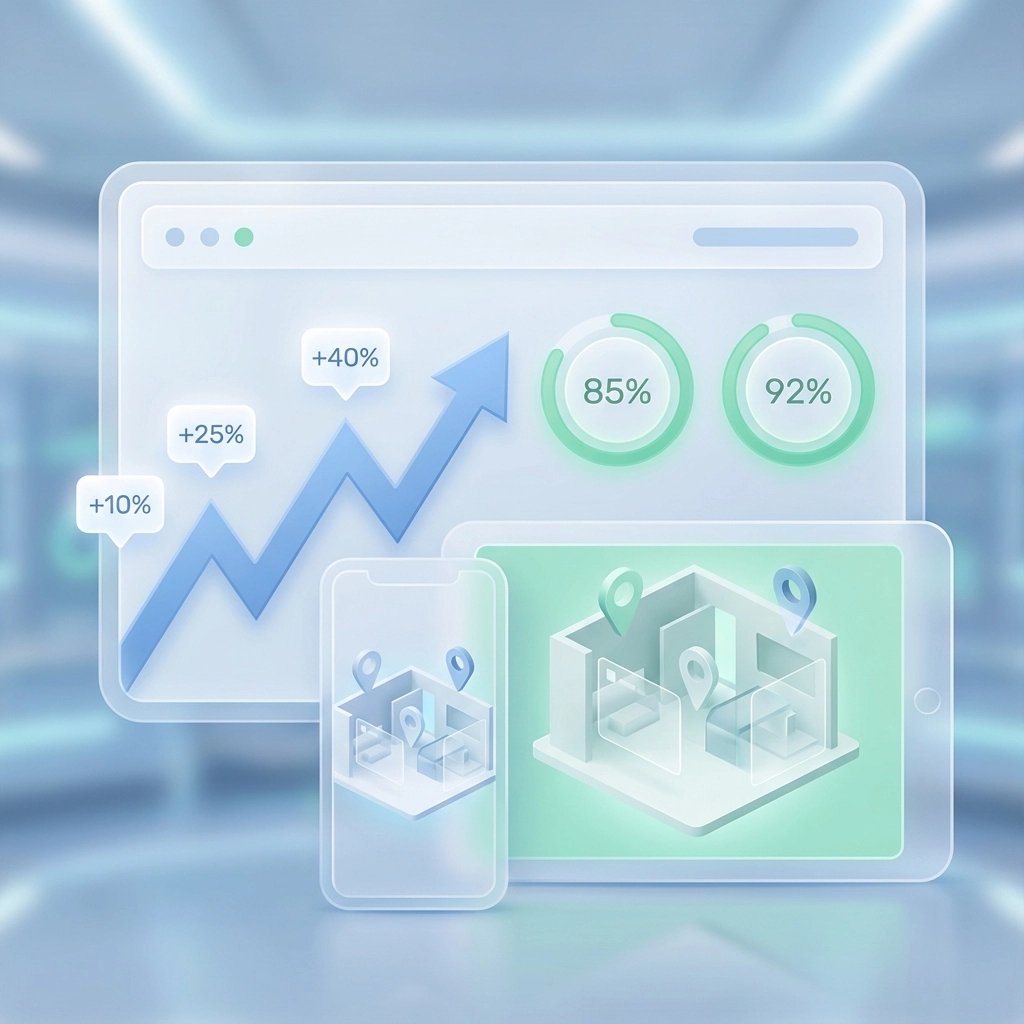
Quality virtual tours for treatment centers typically cost between $2,000-$8,000 depending on facility size and production quality. Compare that to your current cost per admission (likely $3,000-$15,000+ depending on your marketing spend) and the ROI becomes obvious.
If virtual tours increase your conversion rate by even 15%, well below the industry averages we've discussed: the investment pays for itself with just a few additional admissions.
| Investment Level | Typical Cost | Features | ROI Timeline |
|---|---|---|---|
| Basic 360° Tour | $2,000-$4,000 | Simple navigation, mobile-friendly | 1-2 admissions |
| Professional Tour | $5,000-$8,000 | Custom interface, hotspots, music | 3-4 admissions |
| Premium Experience | $8,000-$15,000 | Interactive elements, VR compatibility | 5-6 admissions |
Common Virtual Tour Mistakes That Kill Conversions
Showing Empty Spaces: Families want to see your facility in operation (without violating privacy). Empty rooms feel abandoned or fake.
Poor Lighting: Dark or poorly lit tours make spaces feel uninviting or suggest you're hiding something.
No Context: Include brief text overlays explaining what each space is used for and how it benefits patients.
Outdated Content: Nothing kills credibility faster than a virtual tour that doesn't match current reality.
Making Virtual Tours Part of Your Competitive Advantage
Most treatment centers are still relying on stock photos and generic facility descriptions. By implementing high-quality virtual tours, you're immediately differentiating yourself from 80%+ of your local competition.
But here's the strategic opportunity: virtual tours don't just help with admissions: they help with the right kind of admissions. Families who've virtually toured your facility before visiting arrive with more realistic expectations and higher confidence in their decision.
This leads to better patient-facility fit, higher completion rates, and more positive alumni experiences that drive referrals and improve your reputation.
The Bottom Line for Treatment Center Owners
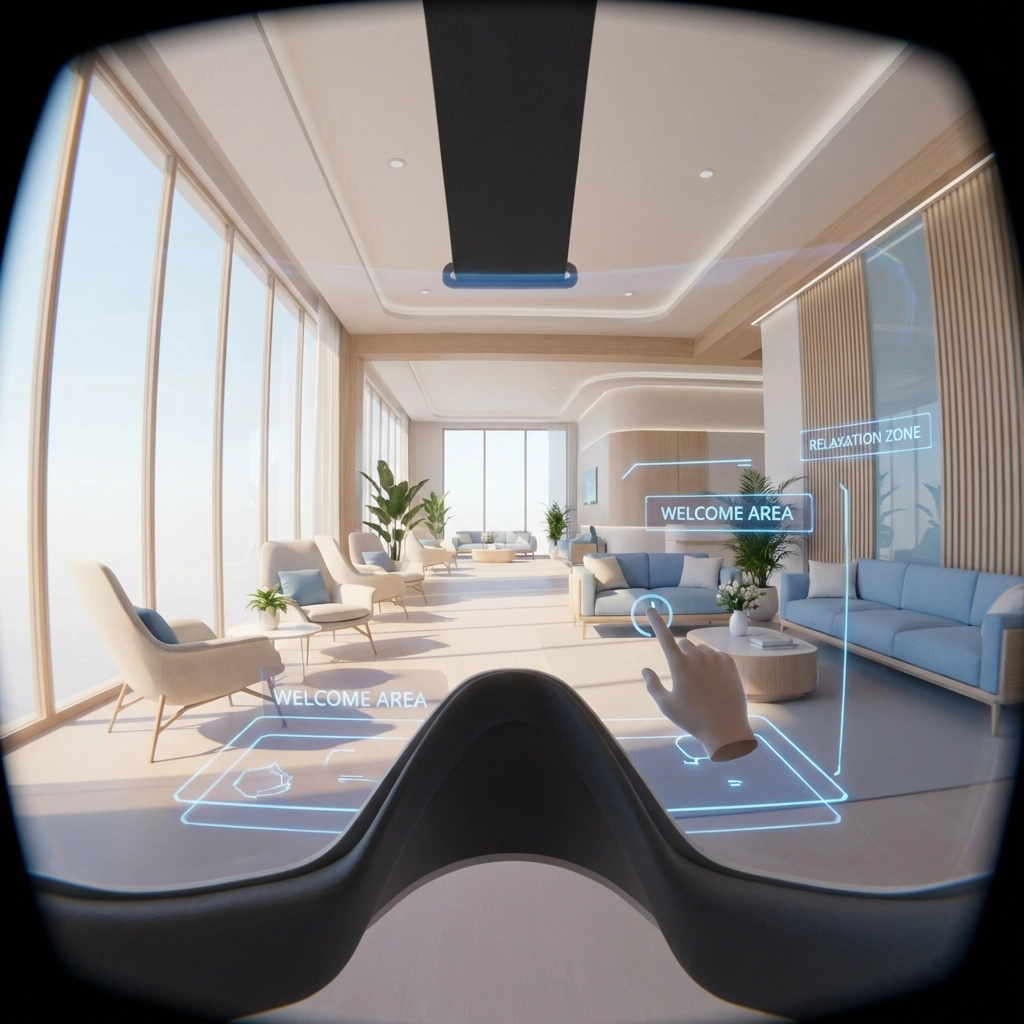
Virtual tours aren't just marketing tools: they're admission tools. When implemented correctly, they compress sales cycles, increase conversion rates, and improve the quality of admissions by setting proper expectations.
The families calling your center are already in crisis. Every friction point in your admissions process: including uncertainty about what your facility actually looks like: gives them another reason to delay or seek treatment elsewhere.
Your virtual tour should answer the question: "Is this a place where my loved one can actually get better?" When families can see your facility's reality instead of imagining it, you're removing one of the biggest barriers between inquiry and admission.
Ready to turn your facility's visual presence into your highest-converting sales tool? The technology exists, the ROI is proven, and your competition is probably still using stock photos.
If you're ready to implement virtual tours that actually drive admissions, call us at 305-539-7114. We'll show you exactly how to turn virtual visitors into real patients.