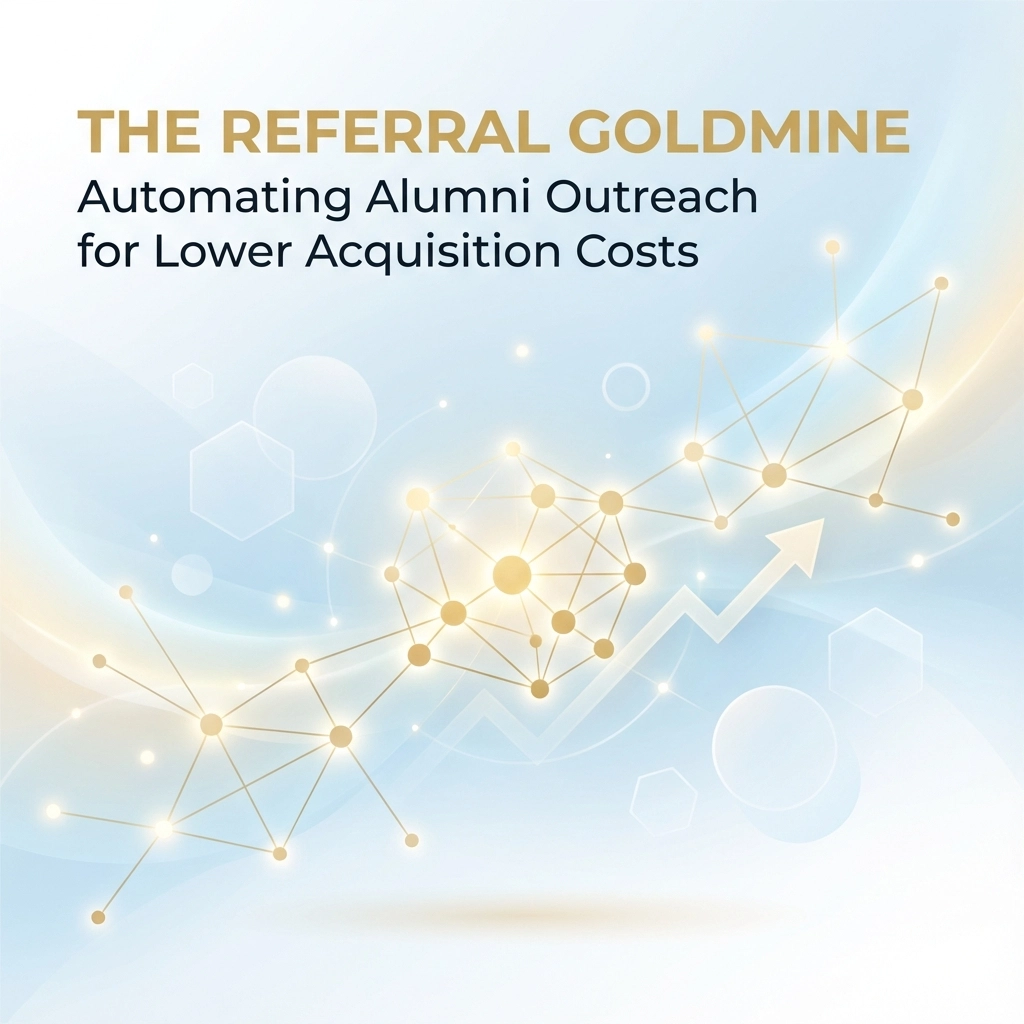
Your former patients are sitting on the most valuable referral network you're not using. While you're spending $3,000-$5,000 per admission through Google Ads and traditional marketing channels, your treatment center alumni could be generating high-quality referrals at a fraction of that cost. The catch? Most facilities treat alumni outreach like an afterthought instead of the systematic revenue engine it should be.
Alumni outreach automation isn't just about staying in touch: it's about building a scalable referral system that reduces your cost per admission while improving long-term outcomes. When done right, automated alumni programs align with evidence-based continuing care and peer recovery support that improve engagement and outcomes in SUD treatment—factors that lower acquisition costs in practice—per SAMHSA Recovery and Recovery Support and NIAAA's review of continuing care.
Why Alumni Referrals Convert Better Than Cold Leads
Think about it from a family's perspective. They're researching treatment options at 2 AM, overwhelmed and desperate for answers. Who are they more likely to trust: a Google ad promising "results" or a heartfelt recommendation from someone who actually lived through recovery at your facility?
Alumni referrals convert at 3x the rate of traditional marketing leads because they come pre-qualified with trust and social proof. When Sarah, who completed your program two years ago, tells her friend's family about the specific counselor who helped her through detox or the group therapy sessions that changed her perspective, that's infinitely more powerful than any marketing copy you could write.

But here's where most facilities drop the ball: they rely on organic, accidental referrals instead of creating systematic touchpoints that encourage and facilitate these conversations.
The Hidden Cost of Manual Alumni Outreach
Let's be realistic about what "staying in touch with alumni" actually looks like at most treatment centers:
- Birthday cards sent sporadically by whoever remembers
- Generic holiday emails to everyone on the list
- Alumni events planned once a year (if you're lucky)
- Follow-up calls that happen when staff has extra time (which is never)
This approach costs more in staff time than it generates in referrals. When your clinical coordinator spends 20 minutes manually entering alumni data and another 30 minutes crafting individual emails, you're looking at $25-$40 in labor costs per outreach attempt. Scale that across hundreds of alumni, and you're burning through thousands of dollars for minimal results.
In addiction treatment, structured alumni and continuing care outreach demonstrably improves engagement while reducing manual burden—see NIAAA continuing care evidence, SAMHSA on peer support workers, and Wellbridge’s alumni automation results (34% alumni engagement; 28% increase in readmissions) in this case study.
Building Your Alumni Outreach Automation System
Step 1: Segment Your Alumni Database
Not all alumni are equal referral sources. Your automation should reflect that reality:
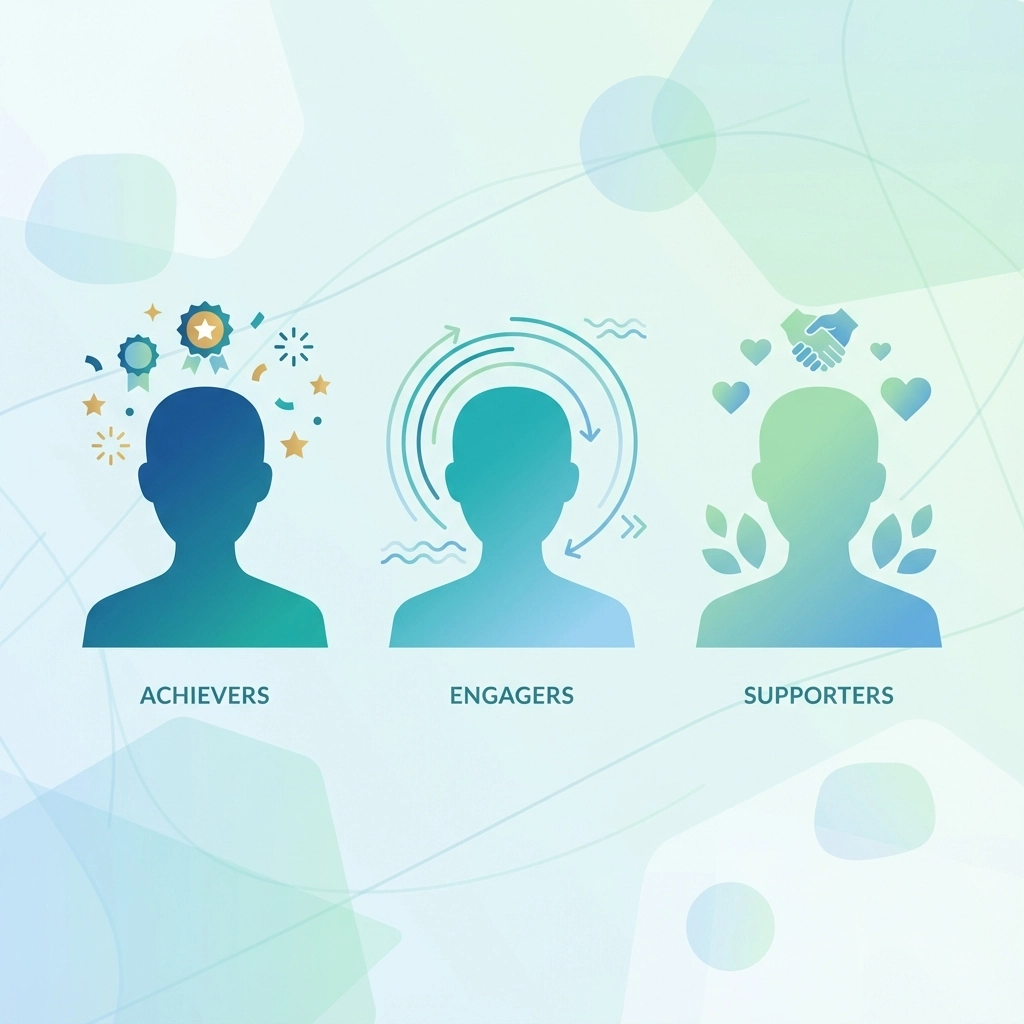
High-Engagement Segment: Graduates who attend alumni events, respond to outreach, and maintain active recovery. These are your referral goldmine: they should receive weekly touchpoints.
Moderate-Engagement Segment: Alumni who occasionally respond or attend events. Monthly meaningful contact keeps you top-of-mind without overwhelming them.
Low-Engagement/At-Risk Segment: Graduates who've gone silent or may be struggling. These require different messaging focused on support resources rather than referral requests.
Step 2: Create Trigger-Based Automation Workflows
Your CRM should automatically send personalized messages based on specific triggers:
Milestone Celebrations: Automated congratulations at 30, 60, 90 days, 6 months, 1 year, and annually thereafter. Include success stories from other alumni at similar milestones.
Seasonal Check-Ins: Holiday triggers that acknowledge how challenging certain times of year can be, with resources and support group information.
Referral Request Sequences: Automated follow-up after alumni attend events or engage with content, asking specifically if they know anyone who might benefit from treatment.
Step 3: Personalization at Scale
Generic messages kill referral potential. Your automation should pull from alumni data to create truly personalized outreach:
- Reference their specific treatment timeline and program type
- Mention counselors or staff they connected with (if still employed)
- Include updates about facility improvements or new programs since their stay
- Acknowledge their specific recovery milestones and challenges
The ROI Mathematics of Alumni Automation
Let's break down the numbers that matter to facility owners:
| Metric | Manual Outreach | Automated Outreach |
|---|---|---|
| Monthly Alumni Contacts | 50-75 | 500-1,000 |
| Staff Hours Required | 40-60 hours | 5-8 hours |
| Cost Per Contact | $35-$50 | $3-$8 |
| Referral Conversion Rate | 2-3% | 8-12% |
| Monthly Referrals Generated | 1-2 | 40-120 |
| Cost Per Referral | $1,500-$2,500 | $150-$400 |
The bottom line: Automated alumni outreach can generate 20-40x more referrals at 1/6th the cost per referral compared to manual efforts.
Advanced Automation Strategies That Drive Results
Multi-Channel Integration
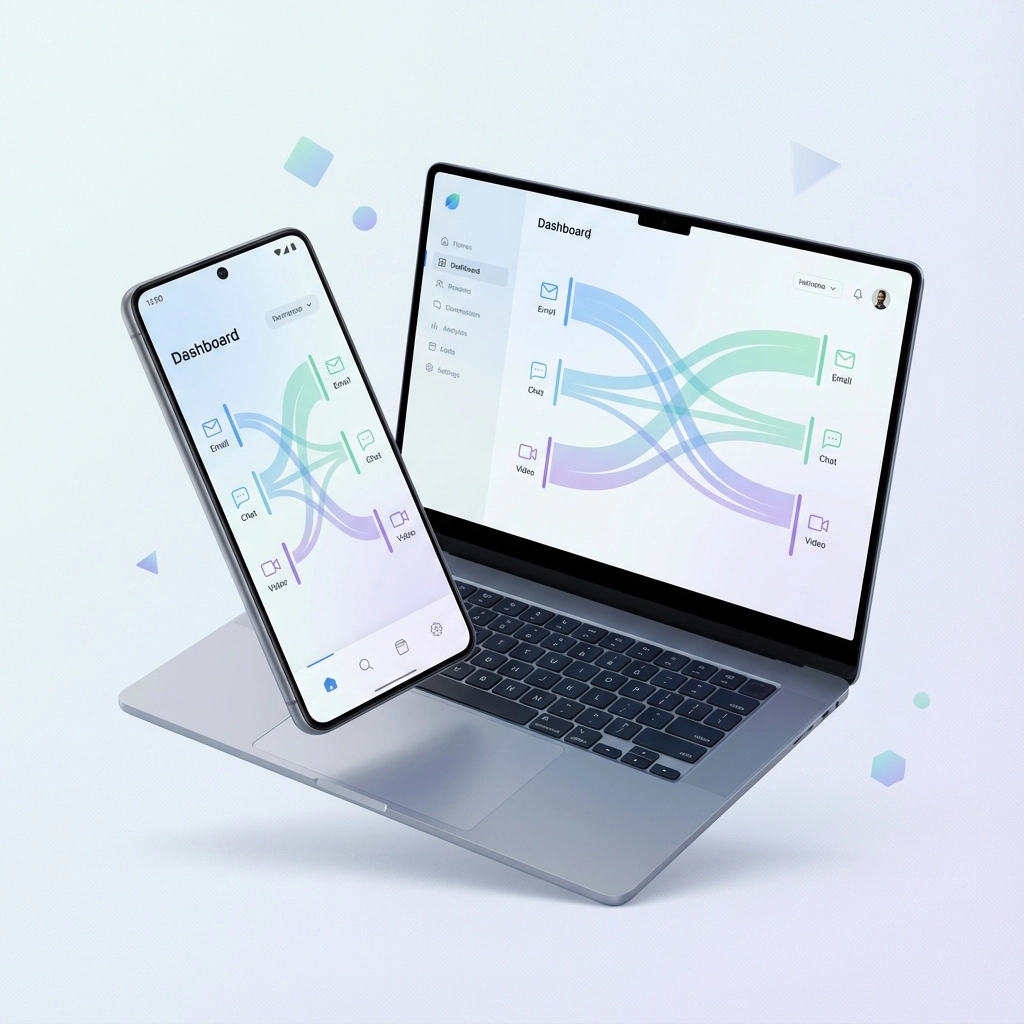
Don't limit yourself to email. Evidence in SUD care shows that continuing care delivered across multiple modalities—clinic visits, phone check-ins, text/app touchpoints—can improve engagement and outcomes NIAAA and SAMHSA.
Your automation should include:
- Email nurture sequences
- SMS check-ins for high-engagement alumni
- Social media retargeting to alumni who visit your website
- Direct mail for major milestones (surprisingly effective for the recovery community)
Content That Facilitates Referrals
Instead of asking "Do you know anyone who needs treatment?" (which puts pressure on alumni), create content that naturally leads to referral conversations:
- Alumni success story videos they can share
- Family resource guides they can pass along
- Educational content about recognizing signs of addiction
- Information about your facility's new programs or improvements
Referral Tracking and Incentives
Your CRM should automatically track which alumni generate referrals and trigger appropriate recognition:
- Automated thank-you messages when referrals are received
- Alumni spotlight features (with permission)
- Invitation to special appreciation events
- Charitable donations made in their honor to causes they care about
Implementation Without Overwhelming Your Team
The biggest mistake facilities make is trying to build a complex automation system overnight. Start with one segment and one workflow, then expand gradually:
Month 1: Set up basic milestone congratulations for recent graduates
Month 2: Add seasonal check-in sequences
Month 3: Implement referral request workflows for high-engagement alumni
Month 4: Create multi-channel campaigns for major milestones
Your CRM platform should handle the heavy lifting: scheduling, personalization, and tracking: while your team focuses on relationship building and content creation.
Measuring What Matters: KPIs for Alumni Automation
Track metrics that directly impact your bottom line:
- Alumni Engagement Rate: Percentage who open emails, attend events, or respond to outreach
- Referral Attribution: How many admissions trace back to specific alumni touchpoints
- Cost Per Alumni-Generated Admission: Total program cost divided by referral admissions
- Alumni Lifetime Value: Average referrals generated per graduate over time
Most facilities are shocked to discover that their top 10% of alumni generate 60-80% of all referrals. Automation helps you identify and nurture these high-value relationships systematically.
Common Pitfalls That Kill Results
Over-Automation: Sending so many automated messages that alumni feel spammed rather than cared for. Quality over quantity wins every time.
Generic Messaging: Using the same templates for everyone regardless of their treatment experience or current situation.
Ignoring Privacy Concerns: Not giving alumni clear opt-out options or failing to respect their communication preferences.
Focusing on Facility Needs vs. Alumni Needs: Messages that sound like sales pitches rather than genuine support and connection.
Your Next Steps
Alumni outreach automation isn't just about technology: it's about systematically nurturing the relationships that drive sustainable growth. When former patients become active advocates for your facility, you create a referral engine that compounds over time.
The facilities seeing 40-60% reductions in acquisition costs aren't doing anything revolutionary. They're simply treating alumni relationships with the same systematic approach they use for clinical protocols.
Ready to turn your alumni database into a referral goldmine? Our team at Ads Up Marketing specializes in building automated outreach systems specifically for treatment centers. We handle the CRM setup, content creation, and ongoing optimization so you can focus on patient care while referrals flow consistently in the background.
Call us at 305-539-7114 to discuss how alumni automation can slash your acquisition costs while building stronger recovery communities around your facility.