Here's a scenario that plays out in admissions offices across the country every single day: A family calls, desperate for help. Their loved one is ready to go to treatment. The intake coordinator schedules the admission for three days out to give them time to "prepare." The family thinks this means getting clean first. Three days later? Radio silence. The bed stays empty, and another family is left wondering what went wrong.
The brutal truth? That "preparation" period is a client killer—and it can cost a life, not just an admission.
The Dangerous Misconception That's Costing Lives and Census
There's a pervasive myth in addiction treatment that people need to show up "sober" or "clean" to prove they're serious about recovery. Families think they're helping by encouraging their loved one to detox at home for a few days before arriving at the facility. They see it as showing respect, demonstrating commitment, or making the process easier for everyone involved.
This couldn't be further from the truth—it's a client killer, and it can be deadly.
The research backs this up: over 30% of people who complete detoxification relapse within their first year, and relapse risk is substantially higher for those who detox at home without professional treatment. When individuals relapse at home, they often must undergo re-detoxification before they can be admitted to an inpatient program, creating delays and obstacles to care entry.
But the business impact goes even deeper than that. Every day a potential patient spends trying to "get ready" at home is another day they can change their mind, another day their insurance can lapse, and another day their family can lose hope.

The Medical Reality: Home Detox is a Recipe for Disaster
Let's talk about what actually happens when someone tries to detox at home, especially from alcohol or benzodiazepines. The medical complications that can arise aren't just uncomfortable: they're potentially fatal.
Alcohol withdrawal can trigger delirium tremens (DTs), which carry a mortality rate of up to 15% without medical supervision. But under professional care, that rate drops to less than 5%. The difference? Medical intervention, monitoring, and immediate response to complications.
Benzodiazepine withdrawal can cause seizures that strike without warning. At home, this can be a death sentence. In a medical facility, it's a manageable condition with proper protocols.
Even beyond the life-threatening complications, the discomfort of home detox often drives people back to using just to function. Without professional oversight, individuals face withdrawal symptoms that worsen without help, and they simultaneously have easier access to substances.
Here's what your intake team needs to understand: the increased overdose risk after even brief abstinence makes home detox particularly dangerous. Trying to be 'clean' for the flight is exactly this scenario—and it can be deadly. When someone has been using regularly and then stops for 2-3 days, their tolerance drops dramatically. If they use again (and statistically, they probably will), what used to be their "normal" amount can now be lethal.
The 'No-Show' Effect: How Good Intentions Destroy Admissions
Every admission that starts with "come back when you're clean" is an admission that's probably not happening. Here's the cycle that plays out:
Day 1: Family and patient are motivated. They think 72 hours of home detox shows dedication and makes treatment more likely to succeed.
Day 2: Withdrawal symptoms intensify. Sleep becomes impossible. Anxiety peaks. The patient starts questioning whether they really need treatment.
Day 3: One of three things happens:
- They're too sick to travel
- They've already relapsed and feel too ashamed to show up
- They've convinced themselves they don't actually need treatment since they made it three days
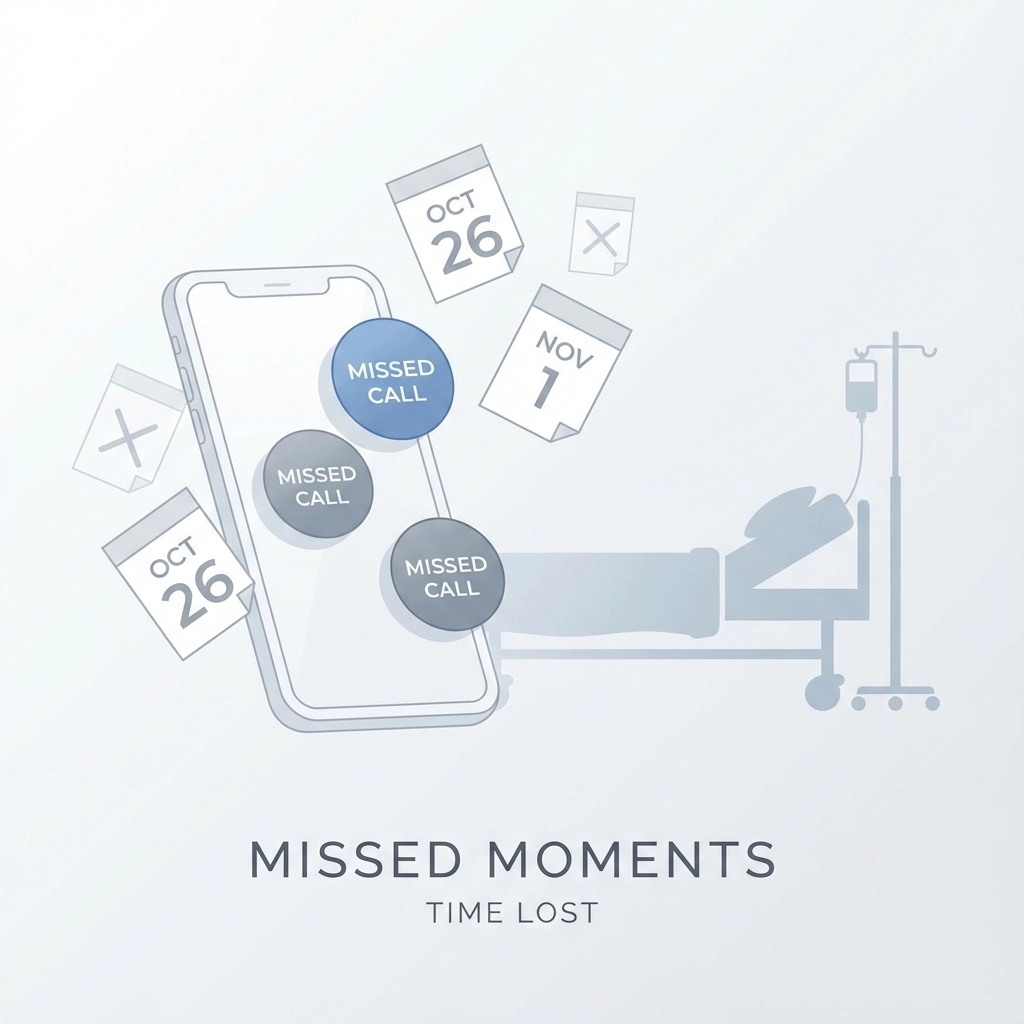
Day 4: Your bed is still empty, and the phone isn't ringing.
This isn't a moral failing: it's a predictable medical and psychological response to an impossible situation. You're asking someone with a chronic disease to demonstrate perfect management of that disease before you'll treat it. It's like asking someone with diabetes to normalize their blood sugar before you'll prescribe insulin.
The 'Come As You Are' Philosophy: A Business and Ethical Imperative
The most successful facilities have learned to flip this script entirely. Instead of expecting patients to arrive sober, they explicitly communicate the opposite message: "We expect you to arrive over the limit, and that's exactly why we're here."
This messaging serves multiple purposes:
Medically, it acknowledges the reality of addiction and withdrawal. Professional detoxification includes constant medical and emotional support that directly addresses the factors predicting successful treatment entry: improved safety, lower relapse potential, increased comfort, and continuity of care.
Psychologically, it removes shame and fear from the equation. Patients and families don't have to worry about "doing it right" before they arrive. They can focus on getting through the door.
Practically, it maximizes the window of opportunity. When someone calls ready to go to treatment, that's the moment to act. Every hour you wait, motivation decreases and obstacles increase.
How to Restructure Your Admissions Messaging
Your intake team needs to be explicitly trained on this approach. Here are the key messages they should be delivering:
Instead of: "Take a few days to get ready."
Say: "The best time to start is right now. We're equipped for wherever you are today."
Instead of: "Try to be clean when you arrive."
Say: "Don't change anything about your routine until you're here with our medical team. Your living room is not a medical facility—we are. Trying to be 'clean' for the flight is a lethal mistake."
Instead of: "This will be easier if you're sober."
Say: "This will be safer and more successful if you let our medical team handle the detox process from start to finish."

The Insurance Reality Check
Here's another practical consideration that facilities often overlook: insurance authorizations have expiration dates. When you tell someone to wait a few days, you're gambling with their coverage window. Many authorizations are only valid for 7-14 days from approval. Spend three days on home detox, add a day or two for relapse, and suddenly you're looking at starting the authorization process all over again.
Meanwhile, your competitor who says "come now" gets the admission, the revenue, and the chance to actually help that person recover.
Legal and Ethical Guardrails
Important disclaimer: The guidance in this article is not medical advice. All medical recommendations must come from licensed medical professionals, and patients should always consult with qualified healthcare providers about their specific situations.
The "come as you are" approach isn't about encouraging substance use: it's about harm reduction and meeting people where they are. The goal is getting them to professional medical care alive and stable enough to begin proper treatment.
Your medical director should be having specific conversations with patients and families about travel safety, withdrawal management, and any temporary bridging medications that might be appropriate. But the intake messaging should consistently emphasize that professional supervision is safer than going it alone.
The Business Impact: Revenue That Walks Away
Let's talk numbers. The average cost per admission for a 30-day program ranges from $30,000 to $60,000. Every admission lost to the "sober start" myth represents significant revenue walking out the door.
But it's more than just immediate revenue loss. When families have a bad experience: when their loved one tries to detox at home and fails to make it to treatment: they often lose faith in the treatment process entirely. This creates negative word-of-mouth and can impact your reputation in the community.
Conversely, facilities known for their "come as you are" approach often see:
- Higher admission conversion rates
- Shorter time from call to admit
- Better family satisfaction scores
- More referrals from previous clients and families
Implementation Strategy: Training Your Team
Your success with this approach depends entirely on how well your team communicates it. Every person who answers the phone needs to understand:
- The medical rationale – why professional detox is safer
- The urgency factor – why waiting decreases success odds
- The reassurance message – that you're equipped for any condition they arrive in
- The family education – how to support without enabling delays
Role-play scenarios where families express concerns about arriving "under the influence." Train your team to reframe this as arriving "ready for professional help" rather than "unprepared."

Measuring Success: KPIs That Matter
Track these metrics to measure the impact of your messaging changes:
| Metric | Before "Come As You Are" | After Implementation |
|---|---|---|
| Call-to-admit conversion rate | Industry avg: 8-12% | Target: 15-20% |
| Average days from call to arrival | 5-7 days | 1-3 days |
| No-show rate on admission day | 20-30% | Under 15% |
| Family satisfaction scores | Baseline | +25% improvement |
The Competitive Advantage
While your competitors are still operating under the old model: inadvertently sabotaging their own admissions with outdated expectations: you can differentiate yourself by being the facility that actually understands addiction.
This isn't just marketing positioning; it's clinical reality. Addiction is a disease that impairs judgment and decision-making. Expecting perfect decision-making as a prerequisite for treatment is clinically inconsistent and commercially self-defeating.
Making the Change: Implementation Timeline
Week 1-2: Train all intake staff on new messaging and medical rationale
Week 3-4: Update all marketing materials and website content to reflect "come as you are" philosophy
Week 5-6: Begin tracking new KPIs and measuring impact on admission rates
Week 7-8: Fine-tune messaging based on initial results and staff feedback
The Bottom Line
The "sober start" myth isn't just medically dangerous: it's a client killer that's costing your facility revenue, reputation, and the chance to save lives. Every day you maintain policies or messaging that encourages home detox is another day you're competing with one hand tied behind your back.
The facilities that thrive in this industry are the ones that meet people where they are, not where they think they should be. They understand that addiction treatment begins the moment someone picks up the phone, not three days later when they've "proven" they're ready.
Ready to stop losing admissions to the home detox trap? The team at Ads Up Marketing specializes in helping treatment facilities refine their intake messaging and optimize their entire admissions process. We understand the unique challenges of addiction marketing and know how to position your facility as the safe, immediate option families are looking for.
Don't let another bed stay empty because of outdated thinking. Call us at 305-539-7114 and let's discuss how to transform your admissions process into a conversion machine that actually serves your patients' best interests while maximizing your census.
Your patients need professional help, not good intentions. And your business needs admissions, not empty promises. Let's fix both problems together.