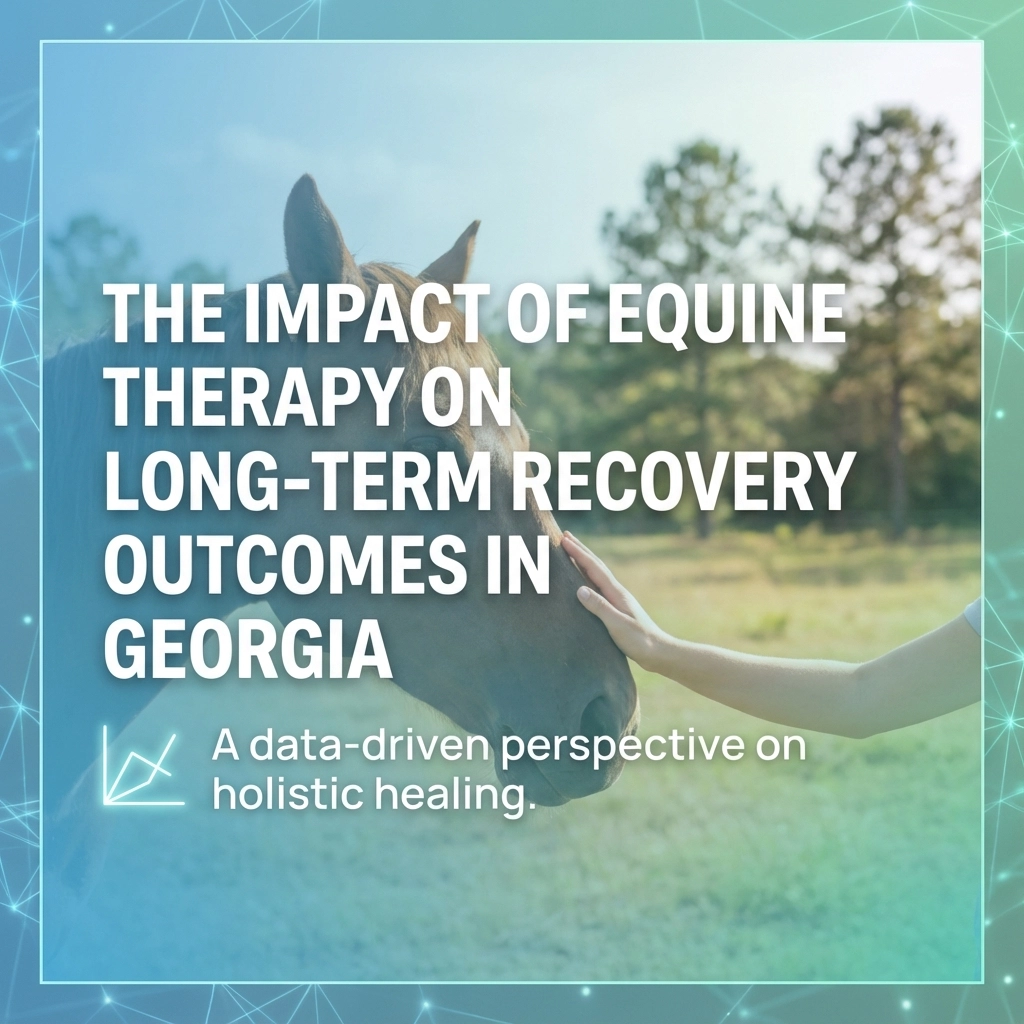
When you're struggling with addiction, traditional therapy approaches don't always break through the walls you've built around your emotions. That's where equine therapy enters the picture: a powerful, evidence-based treatment that's transforming recovery outcomes across Georgia's treatment landscape.
Equine-assisted therapy isn't just about riding horses. It's a sophisticated therapeutic intervention that leverages the unique qualities of horses to help individuals develop crucial life skills, process trauma, and build the emotional resilience needed for sustained recovery. But what does the data actually tell us about its long-term impact on recovery outcomes, particularly here in Georgia?
Understanding Equine Therapy's Scientific Foundation

Equine therapy operates on several psychological and neurological principles that make it uniquely effective for addiction recovery. Research from 2023 and 2024 systematic reviews demonstrate that equine-assisted therapy significantly improves emotional regulation and interpersonal functioning in individuals with mental health and substance use disorders.
The therapeutic mechanism works because horses are prey animals with heightened sensitivity to human emotions and energy. They respond immediately to your emotional state, providing real-time feedback that traditional talk therapy simply cannot match. When you're working with a horse, you can't hide behind the verbal defenses that might work with a human therapist.
This immediate feedback loop creates what researchers call "experiential learning": you develop new coping strategies through direct experience rather than just talking about problems. For individuals in recovery, this translates to:
- Enhanced self-awareness through non-judgmental animal interaction
- Improved emotional regulation via immediate consequences for emotional states
- Strengthened communication skills through non-verbal connection
- Increased confidence and self-esteem through successful animal partnerships
Georgia's Unique Advantages for Equine Therapy Programs
Georgia's geographic and climatic advantages create an ideal environment for equine-assisted recovery programs. The state's mild climate allows for year-round outdoor therapeutic activities, while the abundant rural spaces provide the peaceful settings essential for healing.
Several factors make Georgia particularly well-suited for equine therapy integration:
Climate Benefits: The state's moderate temperatures and extended growing seasons mean therapeutic programs can operate consistently without weather-related interruptions that might disrupt treatment continuity.
Rural Infrastructure: Georgia's extensive agricultural heritage has created an infrastructure of experienced horse handlers and facilities that can be adapted for therapeutic use.
Natural Environment: The calming presence of Georgia's lush landscapes enhances the stress-reduction benefits that make equine therapy so effective for trauma and addiction recovery.
Measuring Long-Term Recovery Outcomes

While comprehensive longitudinal studies specifically tracking equine therapy outcomes in Georgia remain limited, available research provides compelling evidence for the approach's effectiveness. The challenge lies in isolating equine therapy's specific contribution from comprehensive treatment programs that include multiple therapeutic modalities.
However, we can examine the mechanisms that research has validated:
Emotional Regulation Improvements: Studies consistently show that individuals participating in equine-assisted therapy develop better emotional control. For addiction recovery, this translates directly to improved relapse prevention, as emotional dysregulation is a primary trigger for substance use.
Trauma Processing: Many individuals with substance use disorders have underlying trauma. Equine therapy provides a safe space to process these experiences without the verbal demands of traditional therapy, leading to deeper healing.
Social Skills Development: The trust-building required to work effectively with horses translates into improved relationships with family, peers, and treatment providers: all crucial factors in long-term recovery success.
Evidence-Based Benefits Specific to Addiction Recovery
Equine therapy addresses addiction recovery through several evidence-supported pathways that conventional treatments often struggle to reach:
Breaking Addiction Cycles: The therapy redirects attention toward positive, engaging activities that compete with substance-focused behaviors. This redirection helps rewire neural pathways associated with addiction.
Accountability Development: Caring for horses requires consistency and responsibility. These skills transfer directly to recovery maintenance, where daily commitment to sobriety becomes second nature.
Mindfulness Training: Working with horses demands present-moment awareness. This natural mindfulness training helps individuals recognize triggers and cravings before they escalate into relapse.
Physical Health Integration: Unlike purely talk-based therapies, equine therapy incorporates physical activity and outdoor exposure, addressing the holistic health needs often neglected in addiction recovery.
Georgia Treatment Centers Leading Innovation

Several Georgia facilities have pioneered innovative approaches to equine therapy integration. Ingrained Recovery, located in the heart of Georgia, has developed comprehensive programs that combine evidence-based addiction treatment with specialized equine-assisted interventions.
Their approach recognizes that sustainable recovery requires addressing not just the addiction itself, but the underlying emotional and psychological factors that contribute to substance use. By incorporating equine therapy into their treatment model, they're able to help clients develop the emotional resilience and self-awareness that research shows are crucial for long-term success.
The integration isn't random: certified equine-assisted therapy professionals work alongside clinical staff to ensure that horse-based interventions complement and enhance traditional treatment approaches rather than replacing them.
Residential Treatment Center Marketing: Making Equine Therapy Discoverable
So what's the connection between your clinical excellence and community awareness? Effective residential treatment center marketing makes your equine therapy programs easy to find for people actively searching for help. If you're not showing up where families are looking, your best work stays invisible.
- Build dedicated service pages that explain your equine-assisted track in plain language and include FAQs, outcomes, and staff credentials.
- Strengthen local SEO with accurate Google Business Profiles, consistent NAP data, and location pages targeting the Georgia markets you serve.
- Use targeted PPC with call tracking to reach intent-driven searches like “equine therapy rehab Georgia” and measure real intakes, not just clicks.
Need a partner that knows the rehab space inside and out? Ads Up Marketing specializes exclusively in behavioral health and can operationalize residential treatment center marketing that aligns with your clinical model and compliance requirements.
Detox Facility Growth Strategies that Support Equine Programs
But this still doesn't drill down on early-funnel access, right? Smart detox facility growth strategies ensure your admissions pipeline captures appropriate clients who may later benefit from equine therapy during residential or step-down levels of care.
- Create seamless referral pathways and content that explain how detox transitions into experiential therapies like equine work.
- Launch geo-targeted landing pages for “detox near me” searches that set expectations for post-detox treatment options, including equine-assisted care.
- Align messaging with payer requirements and ethical marketing standards so growth doesn’t outpace clinical appropriateness.
Want a pragmatic plan you can implement this quarter? Connect with Ads Up Marketing for a quick consult—we’ll map your market, prioritize channels, and set clear KPIs tied to admissions and length-of-stay.
Measuring Success: What Outcomes Matter
When evaluating equine therapy's impact on long-term recovery, several key metrics demonstrate effectiveness:
Emotional Stability Markers: Participants show measurable improvements in emotional regulation tests, with reduced anxiety and depression scores that persist months after treatment completion.
Relapse Prevention: While comprehensive outcome data specific to Georgia is still being collected, programs incorporating equine therapy report lower relapse rates compared to traditional treatment-only approaches.
Quality of Life Improvements: Participants consistently report higher satisfaction with their recovery process and improved relationships with family members.
Treatment Engagement: Equine therapy participants show higher program completion rates and greater engagement with concurrent therapies.
Addressing Common Concerns and Limitations
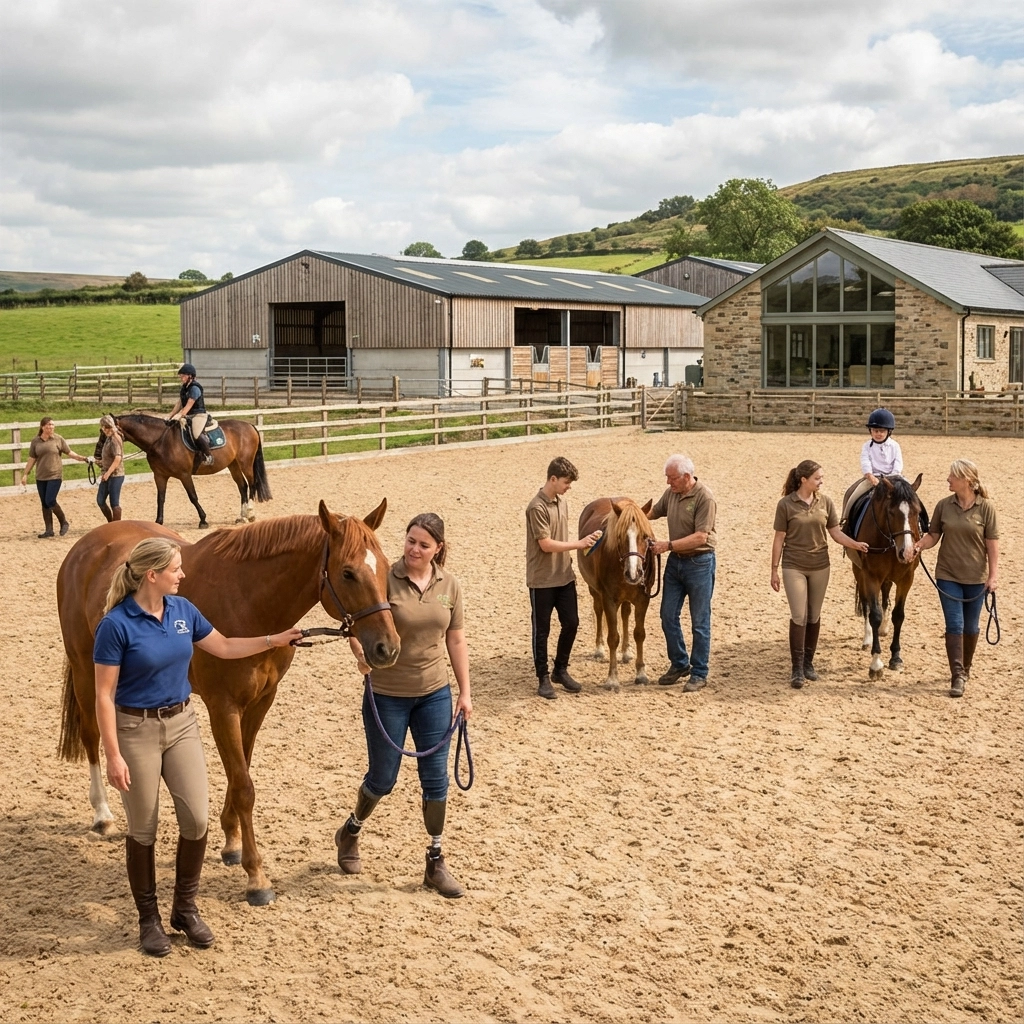
Equine therapy isn't appropriate for everyone, and responsible programs conduct thorough assessments before including clients in horse-based interventions. Individuals with severe horse phobias or certain physical limitations may need alternative approaches.
Cost considerations also play a role. Equine-assisted therapy requires specialized facilities, trained horses, and certified professionals, making it more expensive than traditional talk therapy. However, many Georgia insurance plans now recognize equine therapy as a legitimate treatment modality when provided by qualified professionals. For guidance on integrating complementary therapies within evidence-based models, review SAMHSA’s Evidence-Based Practices Resource Center.
The key is ensuring that equine therapy complements rather than replaces evidence-based addiction treatments like cognitive-behavioral therapy, medication-assisted treatment, and group counseling.
The Future of Equine Therapy in Georgia Recovery
As Georgia's treatment landscape continues evolving, equine therapy is becoming increasingly integrated into comprehensive recovery programs. The state's natural advantages: climate, space, and agricultural infrastructure: position it to become a leader in equine-assisted addiction treatment.
Research initiatives are underway to better document long-term outcomes specific to Georgia populations. These studies will provide the robust data needed to optimize equine therapy protocols and demonstrate their value to insurance providers and treatment administrators.
For individuals considering recovery options, the growing availability of equine therapy programs in Georgia represents an opportunity to access innovative treatments that address addiction's complex emotional and psychological dimensions.
Taking Your Next Steps Toward Recovery
If you're struggling with addiction and traditional approaches haven't provided the breakthrough you need, equine-assisted therapy might offer the missing piece. Georgia's treatment facilities are pioneering innovative combinations of evidence-based addiction treatment with specialized equine interventions.
The research clearly supports equine therapy's ability to improve emotional regulation, process trauma, and develop the life skills essential for sustained recovery. While we continue gathering comprehensive long-term outcome data specific to Georgia, the existing evidence strongly suggests that incorporating equine therapy into comprehensive treatment plans enhances recovery success.
Don't let another day pass wondering if there's a treatment approach that could finally help you achieve lasting sobriety. Reach out to qualified Georgia treatment providers who can assess whether equine therapy might be appropriate for your specific situation and recovery goals.
Your journey toward lasting recovery deserves every evidence-based tool available: including the unique healing power of the human-horse connection that's helping transform lives across Georgia's recovery landscape.
Are you a provider or program director looking to grow responsibly? Ads Up Marketing helps centers like yours get equine therapy found online with proven residential treatment center marketing and detox facility growth strategies—so the people who need you can actually reach you. If it’s time to turn clinical excellence into measurable admissions, let’s talk.