You've done the impossible. After 45 minutes on the phone, you've convinced someone struggling with addiction to travel across the country for treatment. They've said yes to leaving everything familiar behind, yes to admitting they need help, and yes to trusting your facility with their life. You hang up feeling victorious, expecting to see them walk through your doors in three days.
Then they disappear.
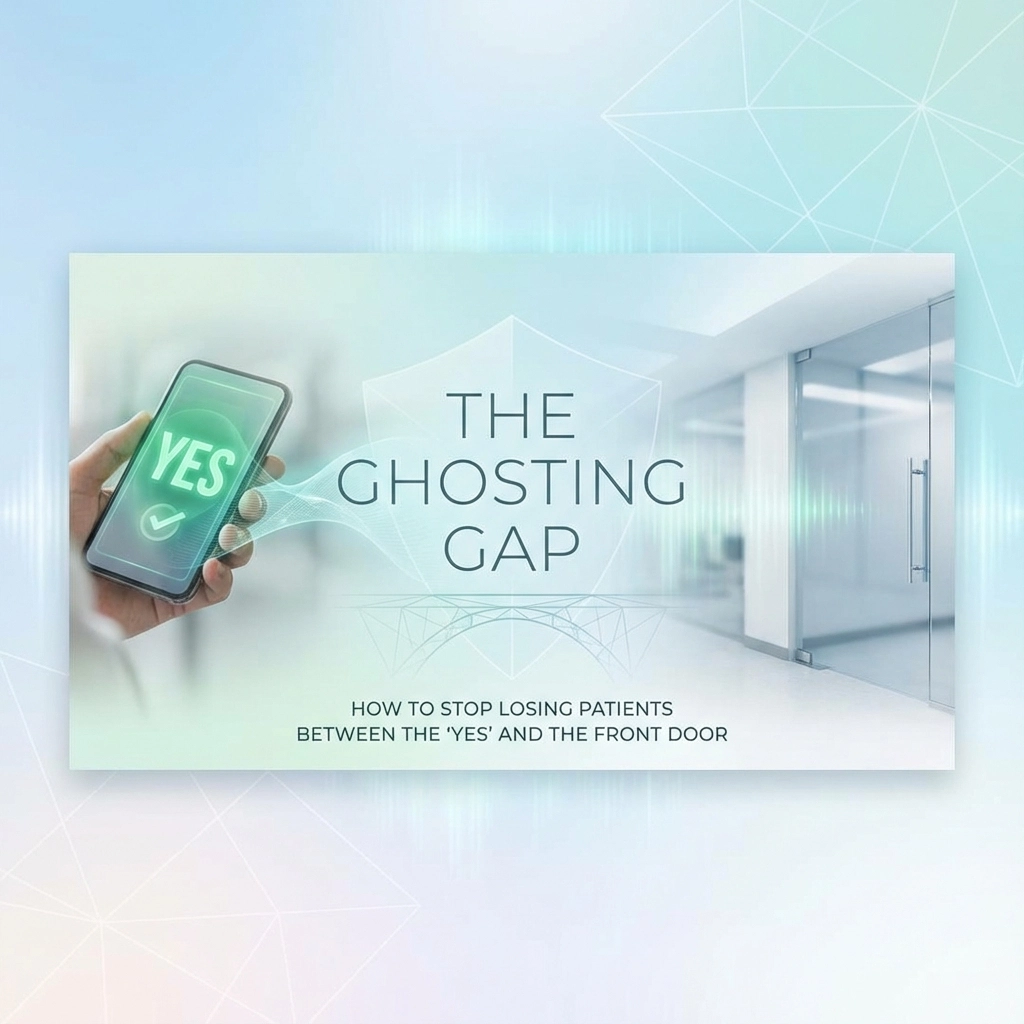
Welcome to the Ghosting Gap, the most expensive blind spot in addiction treatment admissions. It's the dangerous territory between "Yes, I'll come" and actually showing up at your facility. And if you're handling this phase like most treatment centers, you're hemorrhaging leads at an alarming rate.
The "See You in 3 Days" Death Sentence
Here's what typically happens: Your admissions team closes the call with something like "Great! See you Tuesday. Have a safe flight!" Then they move on to the next lead, assuming their job is done. This approach is killing your conversion rates.
The reality? The person who just agreed to upend their entire life for treatment is about to face 72 hours of pure psychological terror. They're going to second-guess everything. They're going to panic about leaving their job, their family, their familiar surroundings. They're going to Google your facility at 2 AM and convince themselves they made a mistake.
And when Tuesday comes? Your admissions coordinator is calling an empty voicemail box, wondering where their "sure thing" went.

The statistics are brutal: Facilities that use the "set it and forget it" approach lose 30-50% of their confirmed admissions before patients ever walk through the door. That's not just a lost lead, that's a human being who needed help and didn't get it because you failed to support them through their most vulnerable 72 hours.
The Concierge Admissions Model: Your New Job Description
If you want to stop the bleeding, your admissions team needs to understand something fundamental: You're not just an intake representative. You're a travel agent, a therapist, and a logistical mastermind all rolled into one.
From the moment someone says yes to treatment, they become your most important project. Your job isn't done when you hang up the phone: it's just beginning.
What This Looks Like in Practice:
Day 1 (Immediately After the Call):
- Book their flight yourself (never leave this to them)
- Arrange ground transportation from the airport to your facility
- Email them a detailed itinerary with your direct contact information
- Send a packing checklist tailored to your facility's requirements
Day 2:
- Check-in call to see how they're feeling
- Address any concerns that have come up
- Confirm travel arrangements
- Remind them that second-guessing is normal
Day 3 (Travel Day):
- Morning check-in call
- Text updates throughout their travel day
- Be available for calls during their journey
- Coordinate with your facility for their arrival
This isn't hand-holding: it's professional patient care that recognizes the psychological reality of what you're asking people to do.
Preempting the Panic: The Psychology of Fear
One of the most powerful tools in your admissions arsenal is normalization. When someone agrees to treatment, they're going to experience fear, doubt, and the urge to back out. Instead of pretending this won't happen, address it head-on.
The Script That Saves Lives:
"I need to tell you something important. Over the next few days, you're probably going to start second-guessing this decision. You might wake up tomorrow thinking 'What am I doing?' or 'Maybe I can handle this on my own.' That's completely normal: it's human nature to fear the unknown. When those thoughts come up, and they will, I want you to call me instead of just backing out. We can talk through whatever you're feeling."
Why this works:
- It removes the shame from having doubts
- It positions you as someone who understands their experience
- It gives them permission to reach out instead of just disappearing
- It demonstrates that you've helped other people through this exact same process

The Tactical Checklist: Remove Every Possible Obstacle
Every facility should have a "Zero Friction Admission Checklist" that eliminates any reason for a patient to change their mind. Here's what needs to be on yours:
Travel Logistics:
- Flight booked and paid for
- Airport pickup arranged
- Backup transportation plan in place
- Hotel room booked if overnight stay is needed
- All confirmation numbers provided to patient
Communication Plan:
- Your direct phone number provided
- Facility main number saved in their phone
- Text message thread established
- Email confirmation sent with all details
Emotional Preparation:
- Expectation-setting conversation completed
- Family notification plan discussed
- Work absence plan addressed
- Pet care arrangements confirmed
Documentation:
- Insurance verification completed
- Medical records requested
- Prescription list obtained
- Emergency contacts collected
Remember: If something has ever stopped someone from coming to treatment, it should be on your checklist to address proactively.
Daily Hand-Holding: The Investment That Pays
The most successful facilities don't just check in once: they maintain contact every single day until the patient physically walks through their doors. This isn't overkill; it's professional care.
What Daily Check-ins Should Cover:
Logistical Updates:
- Confirm travel arrangements
- Address any changes or concerns
- Review arrival procedures
Emotional Support:
- Ask how they're feeling
- Address any fears or doubts
- Reinforce their decision to seek help
Practical Problem-Solving:
- Handle any obstacles that arise
- Adjust plans if necessary
- Provide resources for family members
| Check-in Day | Primary Focus | Secondary Goals |
|---|---|---|
| Day 1 | Logistics confirmation | Emotional reassurance |
| Day 2 | Doubt management | Travel prep review |
| Day 3 | Travel coordination | Real-time support |

The Hidden Costs of the Ghosting Gap
Let's talk numbers. When someone ghosts between confirmation and arrival, you're not just losing a single admission. You're losing:
Direct Revenue Loss:
- Average 30-day treatment cost: $30,000-$60,000
- Lost opportunity cost for that bed
- Wasted marketing spend to generate that lead
Operational Inefficiency:
- Staff time spent on follow-up calls
- Administrative costs for processing
- Opportunity cost of other activities
Human Impact:
- A person who needed help didn't get it
- Family members left without answers
- Potential for worsening addiction or overdose
Reputation Risk:
- Negative reviews from frustrated family members
- Word-of-mouth damage in your community
- Decreased referral likelihood
When you calculate the full impact, facilities that improve their post-confirmation process see ROI improvements of 200-300% on their marketing spend.
Technology Solutions That Bridge the Gap
Modern admissions teams need tools that support their concierge approach:
Customer Relationship Management (CRM):
- Automated reminder sequences
- Task management for follow-ups
- Communication history tracking
Travel Coordination Platforms:
- One-click booking for flights and ground transport
- Real-time travel updates
- Integrated billing and reporting
Communication Tools:
- Multi-channel messaging (SMS, email, phone)
- Video calling for face-to-face check-ins
- Family portal access for updates
The key is choosing solutions that make your team more effective, not just more automated.
Training Your Team for Success
Your admissions staff needs specific training to excel in the post-confirmation phase:
Core Competencies:
- Active Listening: Identifying unspoken concerns and fears
- Emotional Intelligence: Reading between the lines in conversations
- Problem-Solving: Quickly addressing logistical obstacles
- Crisis Intervention: Handling panic attacks or sudden doubt
Role-Playing Scenarios:
- Patient calls crying and wants to back out
- Family member tries to talk patient out of treatment
- Travel complications arise at the last minute
- Insurance issues emerge after confirmation
The bottom line: Your team should be as skilled at post-confirmation care as they are at initial conversion.
When to Call for Help
If your facility is experiencing high confirmation-to-arrival dropout rates, you're not alone. Most treatment centers struggle with this because it requires specialized expertise in psychology, logistics, and customer service.
Red flags that indicate you need professional help:
- Confirmation-to-arrival rates below 70%
- Frequent last-minute cancellations
- High staff turnover in admissions
- Complaints about poor communication
- Difficulty tracking post-confirmation metrics
The Ghosting Gap isn't just a marketing problem: it's an operational challenge that requires expertise in addiction psychology, customer service excellence, and systematic process improvement.
Ready to stop losing patients in the gap between "yes" and arrival?
Our team at Ads Up Marketing has helped dozens of treatment facilities dramatically improve their confirmation-to-admission rates through proven processes, staff training, and technology solutions. We understand the unique challenges of addiction treatment admissions because we've been in the trenches analyzing thousands of calls and building systems that work.
Don't let another person who needs help disappear into the void between confirmation and arrival. Call us at 305-539-7114 to schedule a free audit of your admissions process and discover exactly where you're losing patients: and how to fix it.
Because when someone finally finds the courage to seek help, your job is to make sure they make it through your doors.