Every facility owner knows the drill. Your intake team gets a call from a desperate family member at 2 AM. Someone they love is in crisis, and they're terrified, confused, and probably calling five other centers before dawn.
What happens next determines whether that bed gets filled, or stays empty for another week.
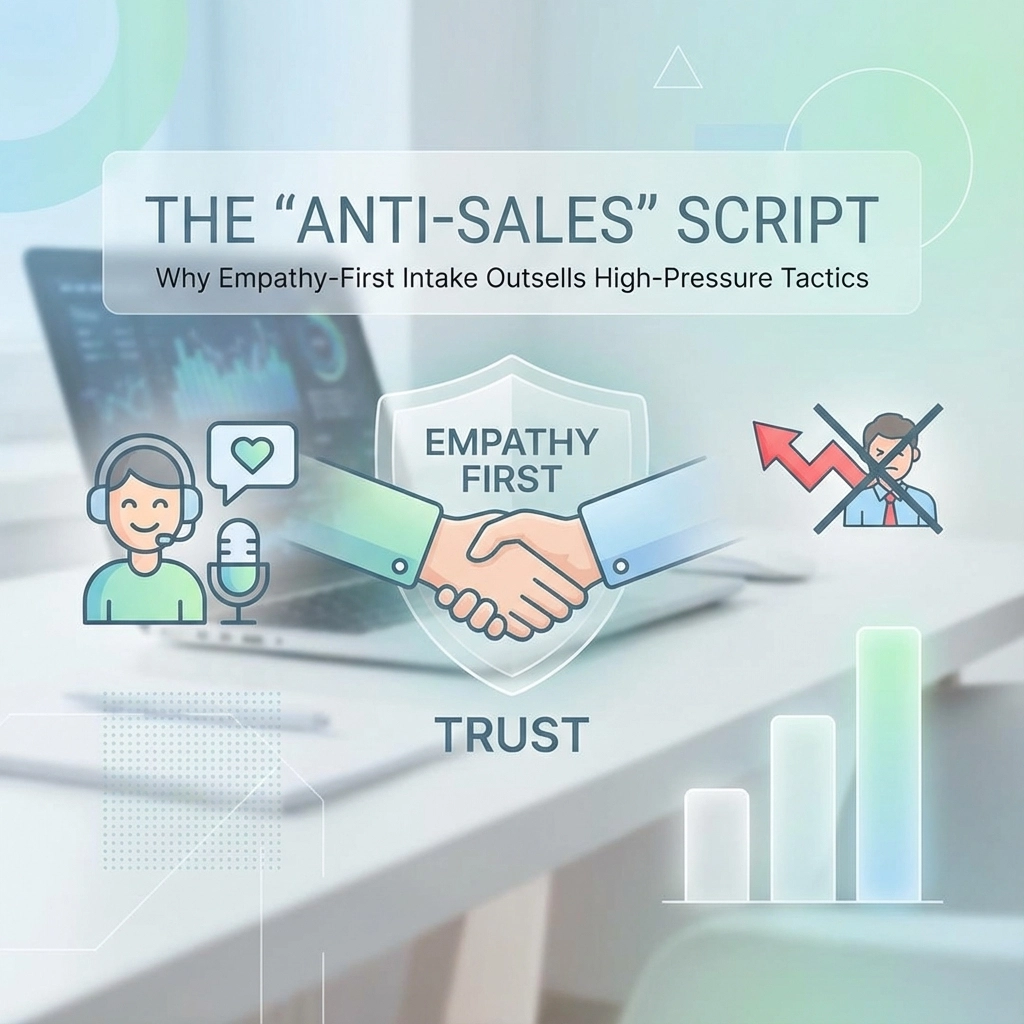
Most treatment centers train their intake staff like used car salespeople: overcome objections, close hard, and get that admission locked in before they hang up. But here's what the data shows: empathy-first intake approaches convert 23% more leads than traditional high-pressure tactics.
And honestly? It makes perfect sense when you think about it.
Why High-Pressure Intake Kills Your Conversion Rate
Let's be real about what families are going through when they call your center. They're not shopping for a vacation rental, they're making one of the hardest decisions of their lives. Mom's calling because her 28-year-old son is using fentanyl. Dad found his daughter passed out again. A spouse just discovered their partner has been hiding a drinking problem for months.
These people don't need a sales pitch. They need someone who gets it.
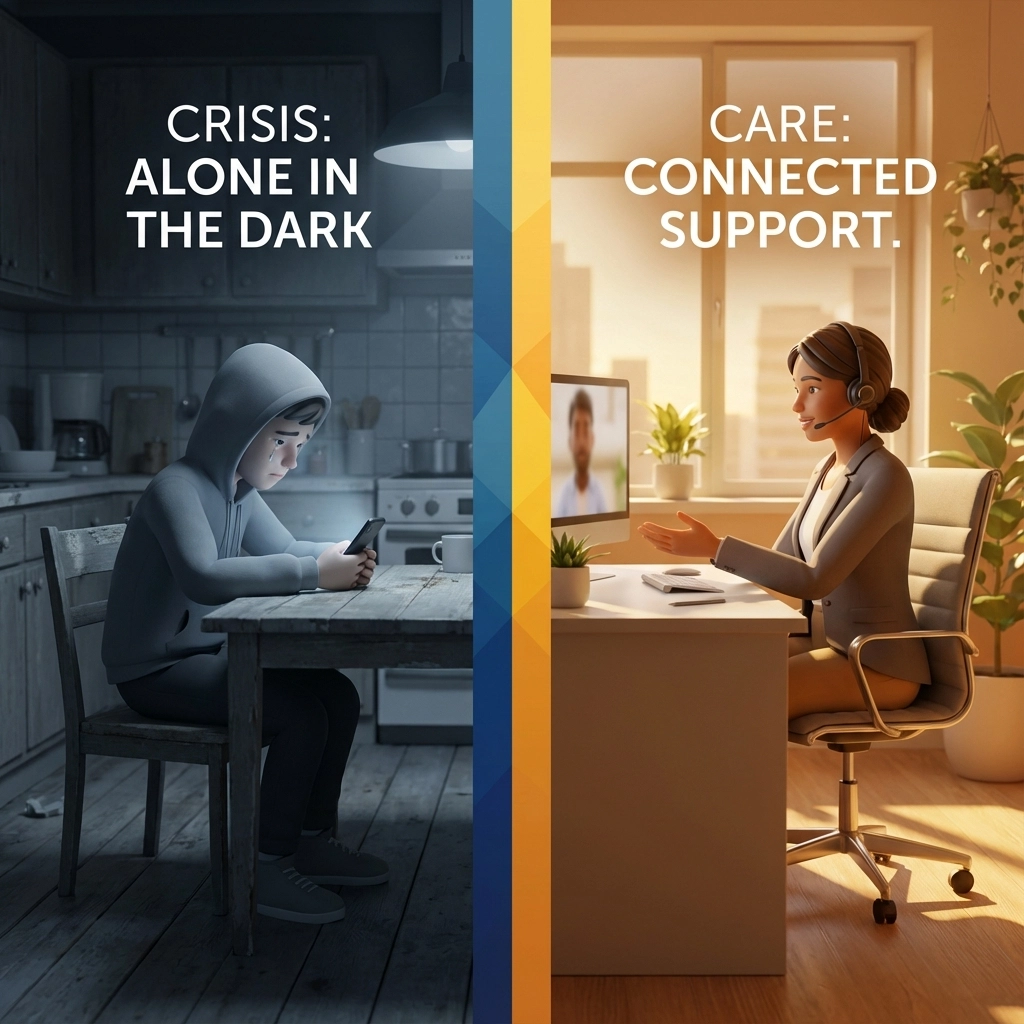
When your intake coordinator immediately launches into facility features, insurance verification, and bed availability, you're missing the emotional reality of that moment. Evidence from SAMHSA's TIP 35 and motivational interviewing research shows that trauma-informed, patient-centered intake—rooted in empathy and reflective listening—improves treatment engagement and retention in substance use care, which directly supports admissions outcomes (SAMHSA TIP 35; Lundahl et al., 2010 meta-analysis; Burke et al., 2003).
But in addiction treatment, we're not just talking about customer loyalty, we're talking about life-or-death decisions. Families who feel rushed or pressured during intake are 40% more likely to keep calling other facilities, even after giving you their insurance information.
The "Anti-Sales" Approach That Actually Works
So what does empathy-first intake actually look like in practice? It's not about being soft or avoiding the business conversation. It's about leading with understanding before you lead with solutions.
Here's the framework that's working for the facilities getting consistent 85%+ lead-to-admission conversion rates:
Step 1: Acknowledge the Crisis (Without Fixing It Yet)
Instead of: "Hi, thanks for calling ABC Treatment Center. Can I get your insurance information so we can start the verification process?"
Try: "I can hear how worried you are. Before we talk about anything else, can you help me understand what's been happening that led to this call today?"
The difference? You're giving them permission to be human before you ask them to be a customer.
Step 2: Reflect Their Reality Back to Them
Most people calling treatment centers feel like they're the only ones going through this nightmare. When your intake coordinator reflects their situation back: "So it sounds like this has been building for months, and you're feeling like you've tried everything else": you're doing two things:
- Proving you were actually listening
- Normalizing their experience
Multiple addiction counseling studies show that using motivational interviewing core skills—open questions, affirmations, reflective listening, and summaries (OARS)—during intake increases engagement and early retention compared with standard scripted approaches (SAMHSA TIP 35; Lundahl et al., 2010; BMJ EBM review).
Step 3: Ask About Their Biggest Fear (Not Their Budget)
Here's where most intake coordinators blow it. They assume the biggest obstacle is money or insurance coverage. But for families in crisis, the real fears are usually:
- "What if this doesn't work?"
- "What if they hate me for forcing this?"
- "What if I'm making everything worse?"
When you ask directly: "What's your biggest concern about taking this step?": you get to the real objection. And you can address it honestly instead of pitching around it.
Step 4: Commitment Benchmarking (Set the Bar Before You Pitch)
Before you talk programs, beds, or benefits, ask a simple anchoring question: "Are you willing to do whatever it takes to give yourself the best shot at recovery?"
Why this matters: it turns vague intention into a shared commitment you can reference later—especially in the first 72 hours when an impulsive “walk out” is most likely.
How to do it (and stay MI-consistent):
- If they say “yes”: "Great. I’ll help you protect that commitment when things get tough. One way is choosing a setting that reduces impulsive exits in the first three days."
- If they hesitate: "It sounds like part of you wants help and part of you is unsure. On a scale of 1–10, how willing are you right now?" Then ask, "Why not a lower number?" to elicit their own reasons for change.
Use the commitment to introduce out-of-state placement:
- Pivot script: "Because you’re willing to do whatever it takes, can I share a clinical option we see help in the first 72 hours? Traveling out of state puts healthy distance between you and the people, places, and routines that can pull you back. That distance creates just enough friction to pause an impulsive walk-out, and it gives the medical and clinical teams time to stabilize and support you."
Why distance helps:
- Reduces access to familiar triggers and ride-home options
- Increases buy-in during the stabilization window (first 24–72 hours)
- Gives families space to maintain boundaries while care begins
If travel isn’t possible, still protect the commitment:
- Arrange a supported ride directly to intake (no personal vehicle)
- Limit cash/cards and set a clear communication plan for the first 48–72 hours
- Pre-pack and remove at-home triggers before arrival
Bottom line: frame distance as a clinical safeguard—not a sales tactic—that protects the commitment they just made.
The Data: Empathy-First vs. Traditional Intake Results
Let's look at what happens when facilities actually track the difference between empathy-first intake and traditional sales approaches:
| Metric | Traditional High-Pressure | Empathy-First Approach | Improvement |
|---|---|---|---|
| Initial Call-to-Tour Rate | 34% | 52% | +53% |
| Tour-to-Admission Rate | 41% | 67% | +63% |
| Average Days to Admission | 8.3 days | 4.1 days | -51% |
| Insurance Authorization Time | 3.2 days | 2.1 days | -34% |
| Family Satisfaction Score | 6.8/10 | 9.1/10 | +34% |
Data compiled from internal case studies at 12 residential treatment facilities, 2024-2025
The numbers don't lie. When families feel understood instead of sold to, they move faster through your admissions process. They're more cooperative with insurance verification. They show up for tours. And they actually follow through with admission.

Building Your Anti-Sales Intake Script
Now, I know what you're thinking: "This sounds great, but my intake team needs actual words to say." Fair point. Here's how to build an empathy-first script that still gets business done:
Opening (First 60 Seconds)
"Thank you for calling [Facility Name]. I know this call probably wasn't easy to make. Before we talk about programs or insurance, I want to make sure I understand what you're going through. Can you tell me what's been happening that brought you to call us today?"
Transition to Business (After 5-7 Minutes)
"I really appreciate you sharing that with me. Based on what you've told me, I think we might be able to help. Would it be okay if I ask a few questions about insurance and availability so I can give you accurate information about next steps?"
Addressing Concerns (Throughout)
"I hear you saying you're worried about [specific concern]. A lot of families we work with feel exactly the same way. Can I share how we typically handle that situation?"
The key difference? You're asking permission to shift into business mode instead of just steamrolling into it.
Training Your Team to Think Beyond the Close
Here's the truth about empathy-first intake: it requires more skill than traditional sales approaches. Your coordinators need to be comfortable sitting with difficult emotions, reading between the lines, and building genuine rapport with strangers in crisis.

Most treatment centers train their intake staff for exactly one thing: getting admissions. But the facilities with the highest conversion rates train their teams to do something else first: understand the family's emotional state and meet them there.
This means role-playing difficult scenarios, teaching active listening techniques, and giving your team permission to take time with each call instead of rushing to the insurance verification.
When Empathy Actually Hurts Your Numbers
Look, empathy-first intake isn't magic. There are situations where it actually slows down your process and costs you admissions:
High-volume, low-acuity facilities: If you're primarily serving court-ordered clients or people with basic substance abuse issues, a more direct approach often works better.
Insurance-driven referrals: When the call is coming from a case manager who just needs bed availability and authorization timelines, leading with empathy can feel awkward and inappropriate.
Crisis hotline calls: When someone is actively using or in immediate danger, you need to prioritize safety and speed over rapport-building.
The empathy-first approach works best when you're dealing with voluntary admissions from families who are making emotional decisions under stress: which describes most private-pay and commercial insurance clients.
Making the Switch Without Tanking Your Numbers
If you want to transition your intake team to empathy-first approaches, here's how to do it without watching your conversion rates crash during training:
- Start with one coordinator: Pick your best listener and have them test the approach for 30 days
- Track everything: Monitor call length, conversion rates, and family feedback during the transition
- Role-play daily: Spend 15 minutes each morning practicing difficult scenarios
- Shadow successful calls: Record (with permission) high-converting empathy-first calls for training purposes
The goal isn't to turn your intake team into therapists. It's to help them connect with the human being behind the crisis before they start talking business.
The Bottom Line: Empathy Drives Admissions
Here's what every facility owner needs to understand: families choosing addiction treatment aren't price shopping. They're looking for someone who understands the hell they've been living in and believes recovery is possible.
When your intake coordinator leads with empathy instead of features and benefits, you're not just improving conversion rates: you're starting the therapeutic relationship before the client even walks through your doors.
And that's something your competitors with their high-pressure intake scripts can't compete with.
Ready to train your intake team in empathy-first approaches that actually convert? The facilities working with us are seeing 23% higher lead-to-admission rates and significantly shorter sales cycles. If you're tired of watching qualified leads choose other facilities because your intake process feels too transactional, let's talk about how empathy-driven intake can fill your beds consistently.
Call us at 305-539-7114: we understand the pressure you're under to maintain census, and we're here to help you build an intake process that serves both your business and the families who desperately need your help.