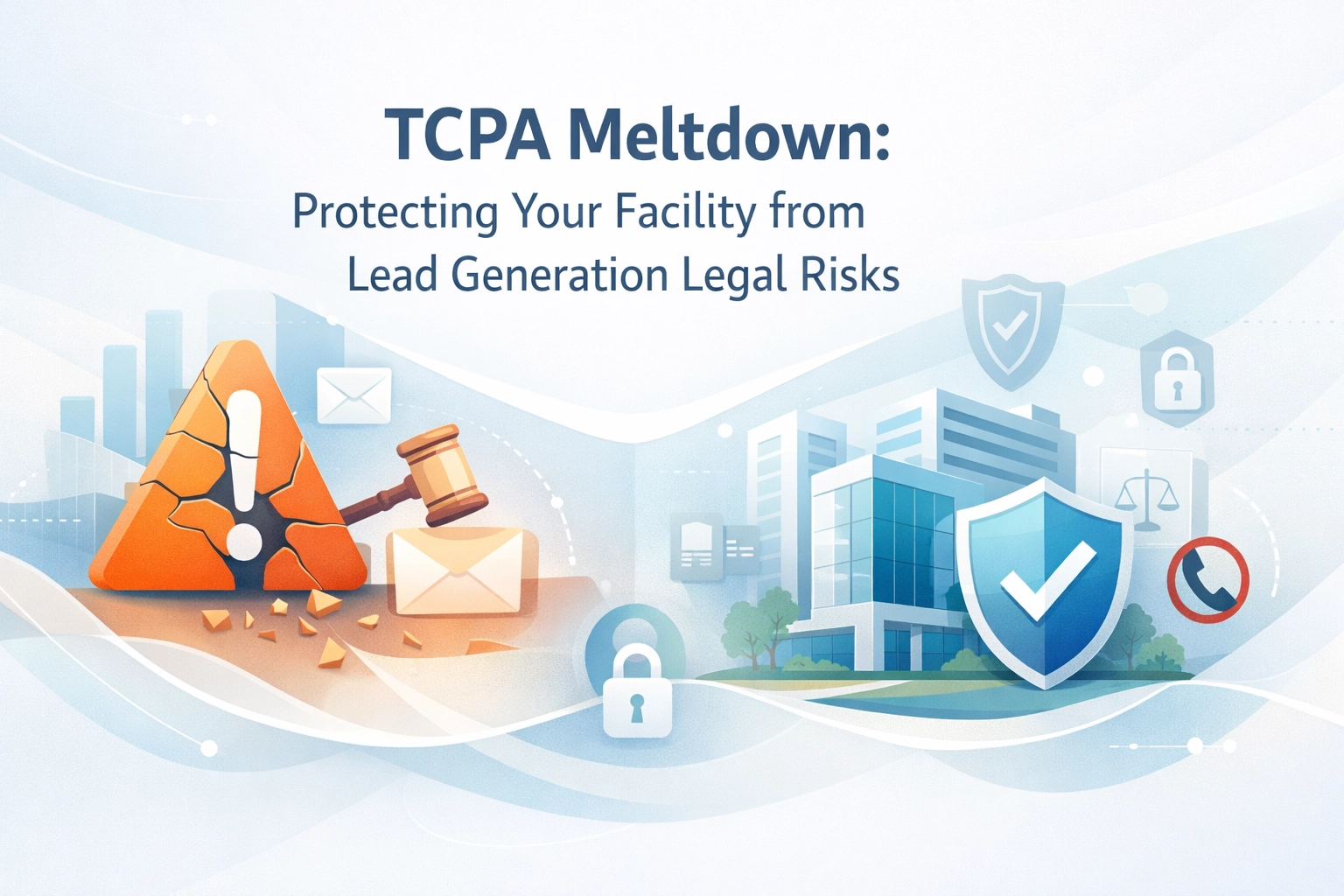
Here's something that'll make your stomach drop: a single text message to the wrong person could cost your facility $1,500. And if you're buying leads from a third-party vendor? You might be sitting on a ticking legal time bomb that could detonate into a class-action lawsuit costing millions.
I'm talking about TCPA violations, and they're absolutely crushing treatment facilities right now. You might think you're playing it safe, but the truth is, most facility owners don't realize they're exposed until they get hit with a lawsuit. And by then, it's too late.
Let's get real about what's happening with TCPA compliance in 2026, why your current lead generation strategy might be putting you at serious risk, and exactly how to protect yourself before you become another cautionary tale.
What Is TCPA and Why Should You Care Right Now?
The Telephone Consumer Protection Act (TCPA) is a federal law that regulates how businesses can contact consumers through automated calls, text messages, and pre-recorded voicemails. Sounds simple enough, right?
Here's the problem: The rules are complex, constantly evolving, and the penalties are brutal. We're talking $500 to $1,500 per violation. Not per campaign. Not per day. Per message, per call, per text.
And here's where it gets worse for treatment facilities specifically, most of you are buying leads from third-party vendors. Every single one of those leads needs to come with proper, documented consent. If your vendor cut corners on consent collection? You're liable. Not them. You.
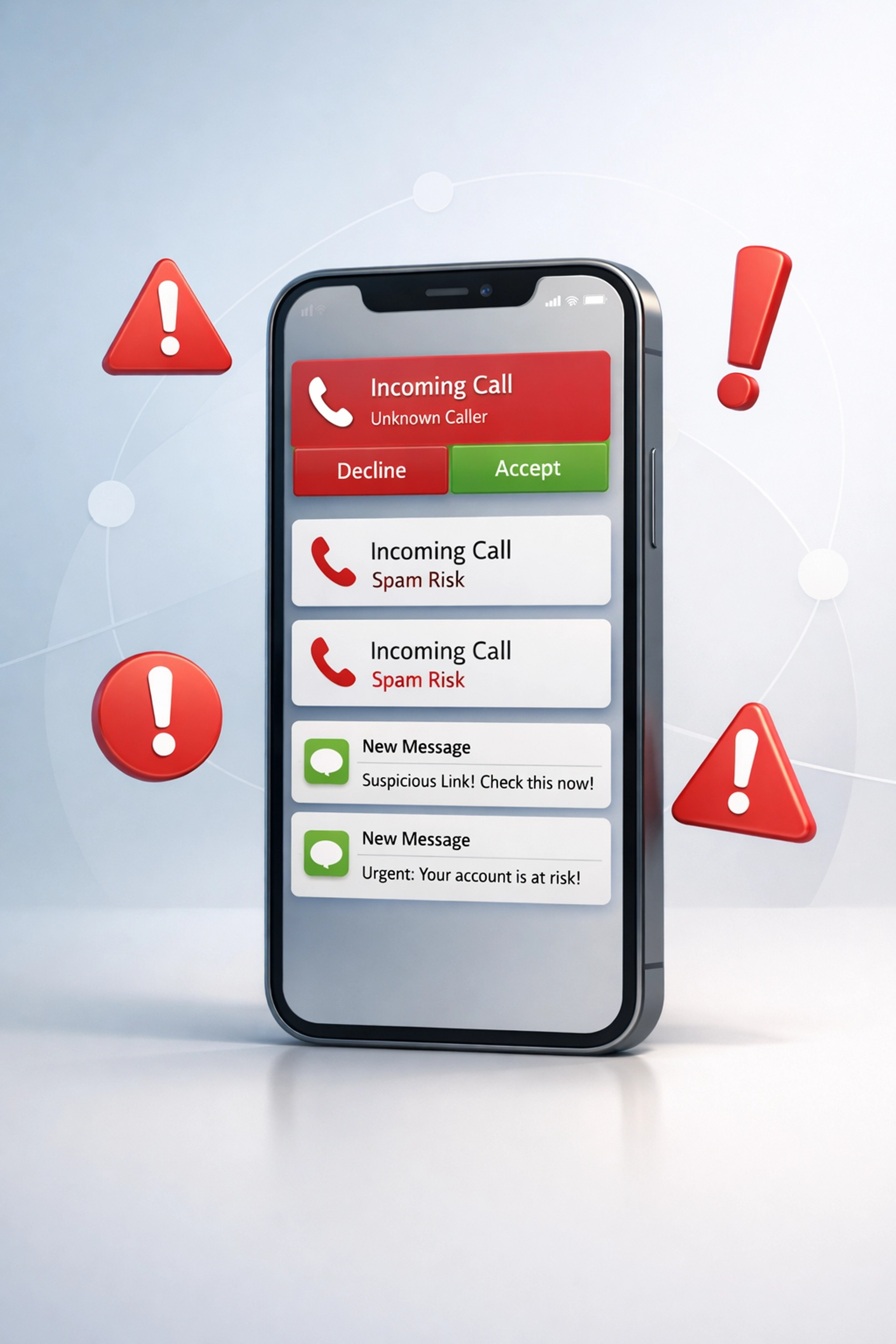
The Lead Generation Landmine You're Probably Standing On
Let me paint you a picture. You're paying $200-$500 per lead. Someone fills out a form on a lead aggregator site looking for help. You call them immediately. They answer, but they're confused, "How did you get my number? I didn't ask to be contacted by your facility specifically."
Congratulations. You just violated TCPA. And if that person decides to lawyer up, you're looking at statutory damages plus their attorney fees.
The most dangerous assumption facilities make: "If someone filled out a form online asking for help, that's consent for me to contact them."
Wrong. Dead wrong.
You need prior express written consent that specifically names your facility. Not a blanket consent that gets sold to 15 different treatment centers. Not an ambiguous checkbox buried in fine print. Explicit, documented, one-to-one consent.
And here's the brutal reality, most lead generation vendors aren't providing that. They're selling the same lead to multiple facilities with vague consent language that wouldn't hold up in court for five seconds.
The Real Cost of TCPA Violations: A Reality Check
Let's break down what a TCPA violation actually costs you:
| Violation Type | Penalty Range | Realistic Scenario Cost |
|---|---|---|
| Single unintentional violation | $500 | $500 + legal fees ($2,000-$5,000) |
| Single willful violation | $1,500 | $1,500 + legal fees ($2,000-$5,000) |
| Class action (100 claimants) | $50,000-$150,000 | $150,000 + settlement ($500K-$2M) |
| Major class action (1,000+ claimants) | $500,000-$1,500,000 | Multi-million dollar settlements |
| Reputational damage | Incalculable | Lost admissions, brand damage, regulatory scrutiny |
You're not just risking a fine. You're risking your entire operation.
According to research from the FCC, TCPA litigation has exploded in recent years, with healthcare and addiction treatment facilities being prime targets because of the high-value leads and aggressive marketing tactics common in the industry.
How Third-Party Lead Vendors Are Putting You at Risk
Here's what most facility owners don't understand: when you buy a lead, you're inheriting all the compliance risk from that vendor's collection methods.
The critical questions you need to ask every lead vendor:
- Can you provide documented proof of prior express written consent for each lead?
- Does the consent specifically name my facility, or is it a blanket consent sold to multiple buyers?
- Can you show me the exact language and disclosure the consumer saw when they provided consent?
- Do you have records proving the consumer wasn't on the National Do Not Call Registry?
- What happens if a lead results in a TCPA violation, who's liable?
If your vendor can't answer these questions with receipts, you need to run. Fast.
The harsh truth is that many lead aggregators use consent language like "I agree to be contacted by treatment providers" and then sell that single consent to 10, 15, sometimes 20 different facilities. That's not one-to-one consent. That's a lawsuit waiting to happen.

The Regulatory Landscape in 2026: What You Need to Know
Here's some good news: the FCC's attempt to impose strict one-to-one consent requirements was struck down by the Eleventh Circuit Court of Appeals in January 2025. That regulatory change won't be moving forward.
But don't get comfortable. The core TCPA requirements are still fully in effect, and courts are still awarding massive judgments against facilities that violate them.
You still need to:
- Obtain proper prior express written consent
- Respect the National Do Not Call Registry
- Provide clear opt-out mechanisms
- Maintain detailed consent documentation
- Ensure your vendors are compliant
The Substance Abuse and Mental Health Services Administration (SAMHSA) has also increased scrutiny on patient privacy and ethical marketing practices in addiction treatment, making TCPA compliance even more critical for maintaining your reputation and regulatory standing.
Building a TCPA-Proof Lead Generation Strategy
So how do you actually protect yourself? Here's the framework we use at Ads Up Marketing to keep our clients compliant and their phones ringing with qualified, consented leads:
1. Own Your Lead Generation
Stop relying exclusively on third-party lead aggregators. When you control the lead generation process from start to finish, you control the consent process. This means investing in digital marketing strategies that bring prospects directly to your facility.
2. Document Everything
Every single contact attempt needs a paper trail showing exactly how consent was obtained. Time stamps, IP addresses, consent language, opt-in confirmations, all of it. If you can't prove consent in court, you don't have consent.
3. Vet Your Vendors Ruthlessly
If you're going to work with lead vendors, your contract needs ironclad protections:
- Explicit representations and warranties about TCPA compliance
- Full indemnification for any violations stemming from their consent collection
- Right to audit consent records on demand
- Immediate termination rights if compliance failures are discovered
4. Implement Consent Management Systems
You need technology that tracks and verifies consent at every stage of the customer journey. Manual tracking doesn't cut it anymore. The volume is too high and the stakes are too serious.
5. Train Your Admissions Team
Your intake coordinators need to understand TCPA inside and out. They should be asking every lead, "Did you specifically request information from our facility?" If the answer is anything other than a clear yes, proceed with extreme caution.
How Ads Up Marketing Protects You from TCPA Nightmares
Here's the reality: you can't afford to wing this. TCPA compliance isn't something you figure out after you get sued: by then, the damage is done.
At Ads Up Marketing, we've built our entire healthcare marketing approach around generating qualified leads while maintaining bulletproof TCPA compliance. Here's how:
Direct-to-Facility Lead Generation: We drive prospects directly to your website through PPC campaigns, SEO strategies, and social media marketing that you control from end to end.
Compliant Consent Collection: We help you implement consent forms and call tracking that document explicit permission for contact: with your facility name, clear disclosures, and verifiable opt-ins.
Vendor Due Diligence: If you're working with lead vendors, we'll audit their compliance practices and contract language to identify red flags before they become lawsuits.
Ongoing Compliance Monitoring: TCPA regulations evolve. We stay on top of regulatory changes and adjust your marketing strategy accordingly so you're never caught off guard.
The bottom line? We help you get more admissions while sleeping soundly knowing your marketing isn't putting your facility at legal risk.
Don't Wait Until You're Served
I've seen too many facility owners bury their heads in the sand on TCPA compliance. They think, "We haven't been sued yet, so we must be fine."
That's not how this works. TCPA violations can come back to haunt you months or even years after the contact occurred. And class action attorneys are actively looking for treatment facilities with sloppy lead practices because they know it's easy money.
You need to take action now. Audit your current lead sources, strengthen your vendor contracts, implement proper consent documentation, and build a marketing strategy that doesn't rely on legally questionable lead aggregators.
Ready to protect your facility and generate compliant leads that actually convert? Call us at 305-539-7114 or contact our team for a free marketing audit. We'll review your current lead generation strategy, identify TCPA vulnerabilities, and show you exactly how to build a compliant, high-converting marketing system that keeps your beds full without the legal headaches.
Your facility's future is too important to gamble on shady lead vendors and crossed fingers. Let's build something better together.