
Focus Keyword: rehab lead generation legal compliance 2026
You've worked too hard building your facility to watch it crumble because of a shady lead generation deal. But that's exactly what's happening to treatment centers across the country right now: and most don't even realize they're in the crosshairs until federal regulators come knocking.
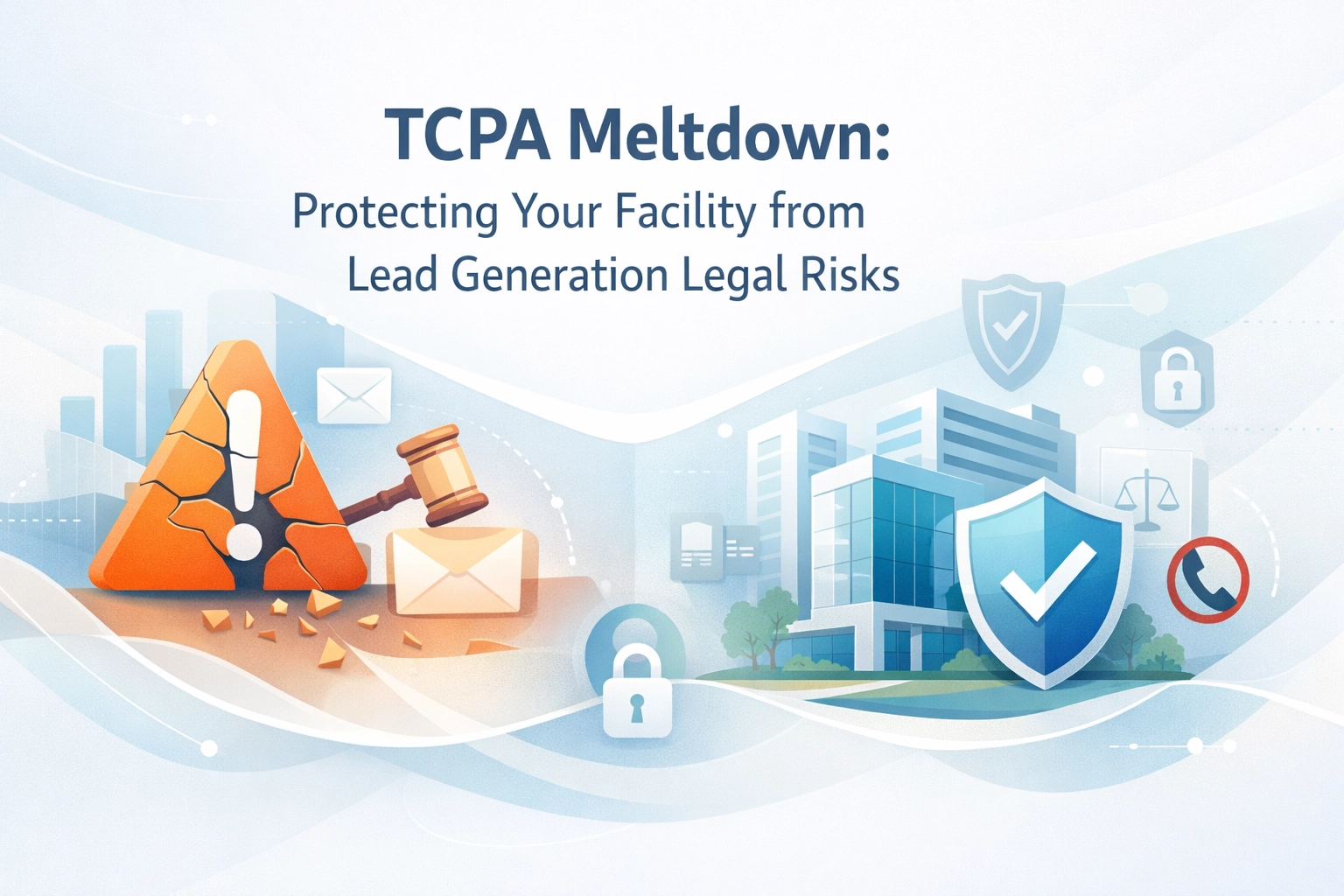
The allure is understandable. Someone promises you a steady stream of qualified leads, and all you have to do is pay a bounty for each admission. Sounds like a win-win, right? Except those "bounty-based" lead generation systems are creating massive legal exposure under federal consumer protection laws. And the consequences? They go way beyond a slap on the wrist.
What Exactly Is Bounty-Based Lead Generation?
Let's break this down in plain English. Bounty-based lead gen is when providers essentially bid for consumer leads based on how much they're willing to pay. Think of it like an auction: whoever offers the highest bounty gets the lead steered their way.

The system works like this: A lead generator or comparison shopping website collects information from people seeking treatment. Then, instead of matching those individuals with facilities based on their actual needs, clinical fit, or insurance coverage, the lead gets funneled to whoever's paying the most. The consumer thinks they're getting unbiased help. In reality, they're being sold to the highest bidder.
According to the Consumer Financial Protection Bureau (CFPB), this compensation structure creates significant legal exposure under the Dodd-Frank Act. The CFPB has made it crystal clear: when lead generators steer consumers toward certain providers based on payment received rather than consumer interest, that's abusive conduct.
Why Federal Regulators Are Cracking Down
The Federal Trade Commission (FTC) and CFPB aren't just issuing warnings: they're actively pursuing enforcement actions. Here's why this matters for your facility.
These bounty schemes violate consumer protection laws because they exploit a fundamental trust. When someone reaches out for help with addiction, they reasonably expect that the intermediary will act in their favor. They believe the comparison website or lead generator is helping them find the best fit. Instead, they're being steered based on who paid more.
The CFPB has stated explicitly that enforcers should closely examine whether compensation schemes increase revenue while affecting placement or lead distribution. That pattern? It's a red flag for abusive conduct.
But here's the kicker: the problem isn't limited to third-party arrangements. If you're steering consumers toward your own affiliated programs or sister facilities for financial benefit rather than clinical appropriateness, you're also on shaky legal ground.
The Real Consequences: What You Stand to Lose
Let's talk about what actually happens when facilities get caught up in these schemes. And spoiler alert: it's not pretty.

| Enforcement Type | Potential Consequences | Long-Term Impact |
|---|---|---|
| Federal Enforcement Actions | Mandatory consumer refunds, costly fines, civil penalties | 20-year consent order reporting requirements |
| State Licensing Board Actions | License suspension or revocation, practice restrictions | Permanent damage to facility reputation |
| Private Litigation | Class action lawsuits, money judgments, settlement costs | Years of legal battles, diverted resources |
| Professional Sanctions | Attorney disbarment, loss of professional credentials | Career-ending consequences for leadership |
The Substance Abuse and Mental Health Services Administration (SAMHSA) has also been paying close attention to unethical marketing practices in the addiction treatment space. They've partnered with regulatory agencies to crack down on schemes that harm vulnerable populations.
Financial Penalties That Hurt
We're not talking about a $5,000 fine you can write off. Federal enforcement actions can result in:
- Mandatory refunds to every consumer affected (imagine tracking down and repaying hundreds or thousands of people)
- Civil penalties that can reach hundreds of thousands or even millions of dollars
- Consent orders requiring 20 years of compliance monitoring and reporting
- Complete bans on specific marketing practices
One facility owner I spoke with last year got hit with a consent order that required quarterly reporting to regulators for the next two decades. Think about that: every quarter for 20 years, proving you're staying compliant. The administrative burden alone is crushing.
Your License Is on the Line
Your state licensing board doesn't take kindly to facilities involved in unethical lead generation. Depending on your state's regulations and the severity of the violations, you could face:
- Temporary license suspension (shutting down operations and revenue)
- Permanent license revocation (game over)
- Mandatory corrective action plans with ongoing oversight
- Public disclosure of violations (destroying your reputation)
The National Association of Addiction Treatment Providers (NAATP) has published extensive ethics guidelines specifically addressing these concerns. They've made it clear that patient welfare must come before financial incentives in every marketing decision.
How Private Attorneys Are Getting Involved
Class action plaintiffs aren't sitting on the sidelines either. Private law firms are actively pursuing money judgments against lead purchasers, particularly examining how facilities communicate with purchased leads.

The legal theory is straightforward: if you're participating in a bounty scheme that misrepresents how leads are distributed or steers patients inappropriately, you're potentially liable for fraud, misrepresentation, and consumer protection violations. And unlike regulatory actions that might settle, private litigation can drag on for years and cost your facility a fortune in legal fees.
Protecting Your Facility: The Compliant Approach
So how do you fill beds without risking your license and reputation? It starts with understanding what compliant lead generation actually looks like.
Neutral Distribution Factors: The safest approach is presenting options or distributing leads based on neutral factors: clinical fit, insurance coverage, geographic location, availability: rather than financial benefits to the lead generator.
Transparency Requirements: If you're paying for leads, consumers need to understand how that relationship works. Full disclosure isn't just ethical; it's increasingly required under state and federal law.
Documentation Standards: You need to be able to prove that every admission decision was based on clinical appropriateness, not financial incentives. That means documented assessments, clear admission criteria, and a defensible decision-making process.
The National Institute on Drug Abuse (NIDA) emphasizes evidence-based practices in treatment placement. Your marketing approach should align with those clinical standards, not undermine them.
Red Flags to Watch For
If a lead generation company approaches you with any of these characteristics, run the other way:
- They promise "exclusive" leads but charge different facilities different amounts
- Their pricing is based on outcome metrics like admissions or length of stay
- They can't clearly explain how they match consumers with facilities
- They discourage you from discussing their practices with compliance counsel
- They require contracts with arbitration clauses and gag orders
Why Working With Compliant Marketing Partners Matters
Here's the thing: filling your census and staying compliant aren't mutually exclusive. You just need to work with marketing partners who actually understand healthcare regulations and prioritize ethical practices.
At Ads Up Marketing, we've built our entire approach around compliant digital marketing strategies that protect your facility while driving real results. We're not in the lead-selling business. We're in the business of helping you build sustainable, defensible marketing systems that stand up to regulatory scrutiny.
Our team stays current on CFPB guidance, FTC enforcement actions, and state-level regulatory changes. We work with your compliance team to ensure every campaign, every ad, and every landing page meets current standards. And when regulations change: which they do constantly: we adapt your strategy proactively rather than reactively.
The Bottom Line
Bounty-based lead generation might seem like an easy way to fill beds, but the legal risks far outweigh any short-term gains. Federal regulators are actively pursuing enforcement actions, state licensing boards are cracking down, and private attorneys are filing class action lawsuits. Your facility's license, reputation, and financial stability are all on the line.
The good news? You don't have to choose between census numbers and compliance. You just need the right strategy and the right partners.
If you're currently working with lead generators or comparison shopping sites, now's the time to have your compliance team review those agreements. Look for red flags. Ask hard questions. And if something doesn't feel right, trust your gut.
Ready to build a compliant, effective marketing strategy that protects your facility while driving real admissions? Our team at Ads Up Marketing specializes in addiction treatment marketing that works within regulatory frameworks, not around them. Let's talk about how we can help you fill your census the right way.
Call us at 305-539-7114 or visit our contact page to schedule a consultation. Your facility's future is too important to risk on questionable lead generation schemes.