Your intake team just fielded two calls within five minutes of each other. The first caller asked, "Do you accept Aetna insurance for inpatient treatment?" The second asked, "What's the difference between rehab and detox?"
Which call gets the immediate follow-up?
If your team can't instantly identify the difference, you're bleeding money every single day. High-intent inquiries convert at rates 3-5x higher than low-intent ones, but most treatment centers handle them exactly the same way. That's like treating a heart attack patient the same as someone coming in for a routine check-up.
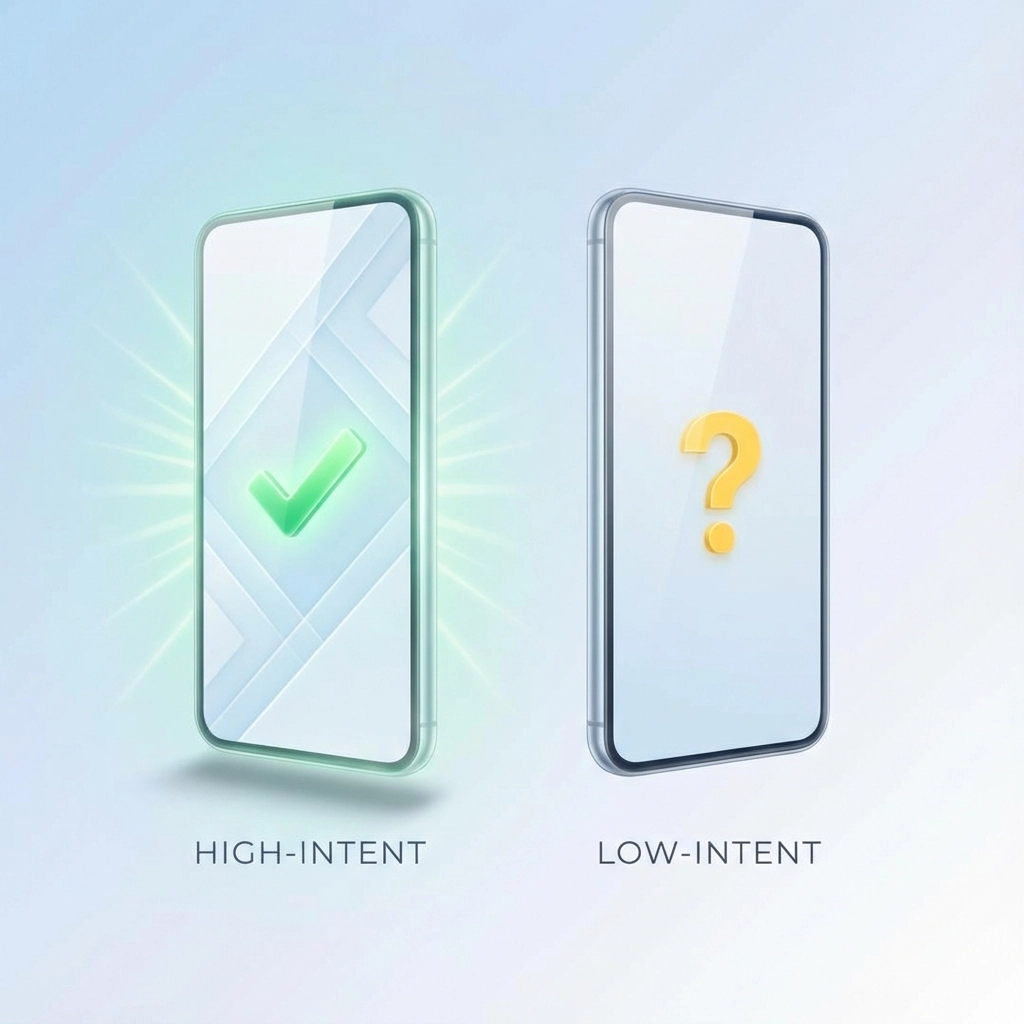
What Makes an Inquiry "High-Intent" in Addiction Treatment?
High-intent inquiries come from people who've already moved past the "should I get help?" stage. They're asking operational questions because they've decided to act. These calls typically include:
Clinical Readiness Signals:
- Questions about specific levels of care ("Do you offer PHP programs?")
- Insurance verification requests with policy numbers ready
- Timeline-focused language ("I need to start next week")
- Previous treatment history mentions ("The last place didn't work out")
Behavioral Indicators:
- Calling during business hours rather than browsing at 2 AM
- Having family members on the line making joint decisions
- Asking about amenities, location, or program specifics
- Requesting to speak with clinical staff or schedule assessments
Research from the National Institute on Drug Abuse shows that people in active addiction crisis have narrow decision-making windows, sometimes just 24-48 hours where they're genuinely ready to commit to treatment. Miss that window with poor prioritization, and they might not call back for months.
Low-Intent Inquiries: Still Valuable, But Different Priority
Low-intent callers are in the research phase. They're gathering information but haven't committed to treatment yet. These inquiries sound like:
Information-Seeking Questions:
- "What does rehab actually involve?"
- "How much does treatment cost?" (without insurance details)
- "Is addiction really a disease?"
- "What happens if I relapse?"
Emotional Processing Signals:
- Long pauses before answering direct questions
- Asking hypothetical scenarios ("What if someone…")
- Focusing on consequences rather than solutions
- Multiple calls over weeks without progression
Don't get me wrong, these calls matter enormously. But they need nurturing campaigns, not immediate admission pushes. Guidance from SAMHSA—including TIP 35 and its advisory on Motivational Interviewing—recommends avoiding high-pressure tactics with ambivalent callers; patient-centered, educational follow-ups consistently improve engagement and retention in SUD care (TIP 35 PDF; MI Advisory).
The ROI Impact of Proper Prioritization
Let's break down the numbers that should make every owner pay attention:
| Inquiry Type | Average Response Time | Conversion Rate | Revenue per Lead | Weekly Volume |
|---|---|---|---|---|
| High-Intent | 15 minutes | 35-45% | $28,000-$35,000 | 8-12 calls |
| Low-Intent | 2-4 hours | 8-15% | $28,000-$35,000 | 25-40 calls |
| Missed High-Intent | 24+ hours | 5-8% | $28,000-$35,000 | 3-5 calls |
The math is brutal. Every high-intent call that gets deprioritized costs you roughly $25,000 in potential revenue. If your team mishandles just two per week, that's $2.6 million annually.
But here's what most owners miss: properly prioritizing doesn't mean ignoring low-intent inquiries. It means building different response systems for different intent levels.
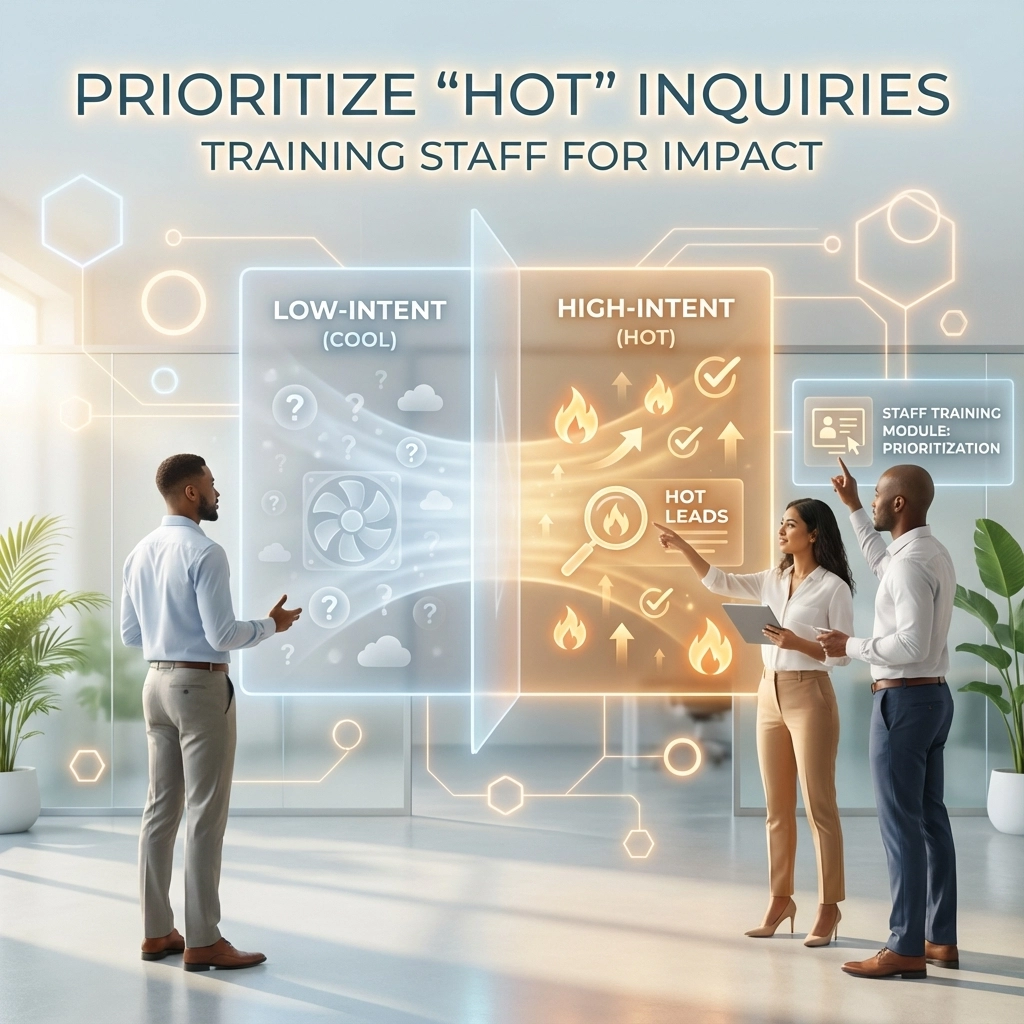
Training Your Team to Spot the Difference
Your intake staff needs clear, actionable criteria they can apply in real-time. Here's the framework we use with our clients:
The 30-Second Intent Assessment
Train your team to listen for these specific phrases in the first 30 seconds:
Immediate High-Priority Flags:
- Any mention of insurance plan names or member ID numbers
- Timeline language ("this week," "as soon as possible," "right now")
- Previous treatment references ("the last place," "I've tried before")
- Family pressure indicators ("my wife said," "court-ordered," "work is threatening")
Medium-Priority Research Flags:
- Cost questions without insurance context
- Program comparison requests ("what makes you different?")
- Logistics questions ("how long is treatment?", "can I bring my phone?")
Low-Priority Information-Seeking Flags:
- Definitional questions ("what is addiction treatment?")
- Hypothetical scenarios ("what if someone I know…")
- General browsing language ("just looking into options")
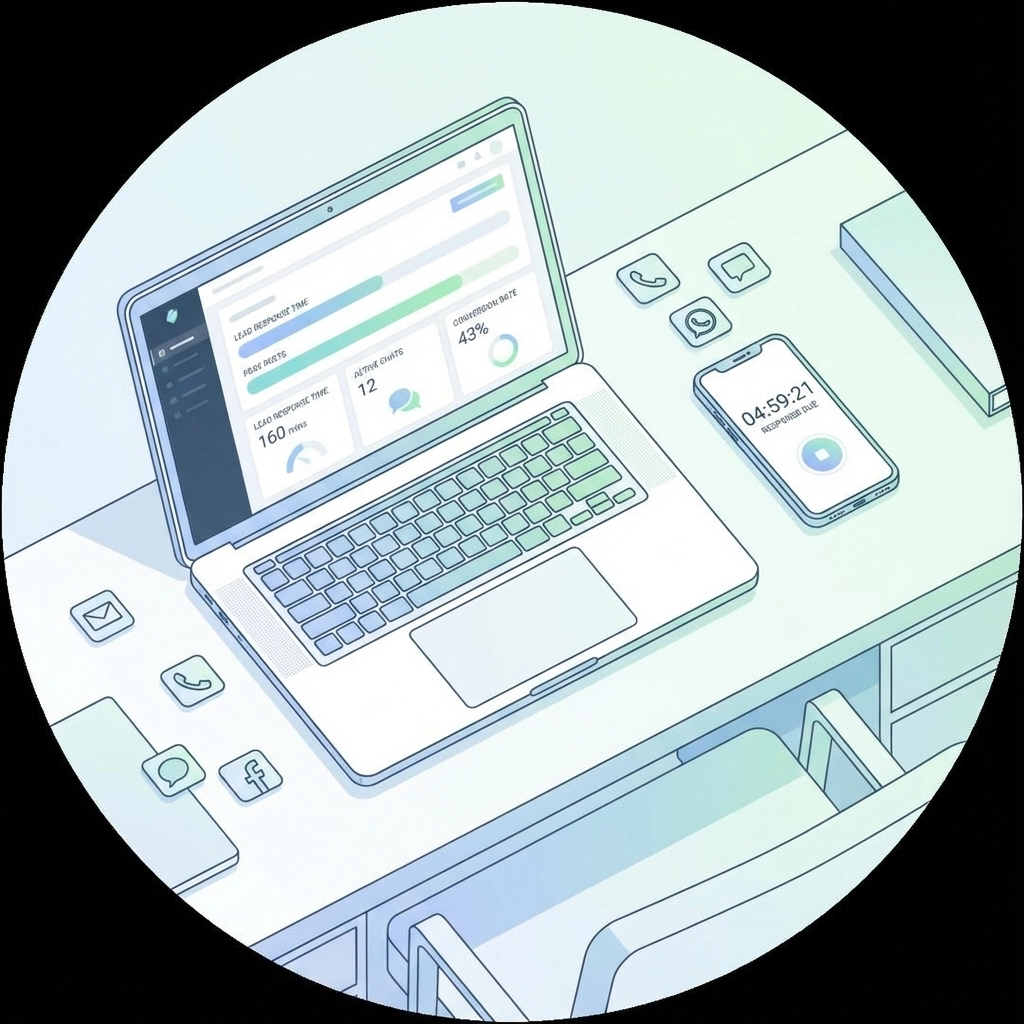
The Follow-Up Protocol Matrix
Once intent level is identified, your team needs different response protocols:
High-Intent Response (Within 15 Minutes):
- Immediate callback if they hung up
- Direct transfer to clinical assessment scheduler
- Same-day VOB initiation
- Personal follow-up from admission director within 2 hours
Medium-Intent Response (Within 2 Hours):
- Detailed email with program information
- Scheduling link for consultation call
- Educational resource packet
- 48-hour follow-up call scheduled
Low-Intent Response (Within 24 Hours):
- Welcome to email nurture sequence
- Educational content based on questions asked
- Weekly check-in calls for 4 weeks
- Invitation to attend virtual information session
The Technology Stack That Makes This Work
Manual prioritization fails during busy periods. You need systems that automatically flag high-intent inquiries. In healthcare access, call center research shows that faster answer times and effective routing drive higher appointment conversions and better patient access—see peer-reviewed findings on call center performance and patient satisfaction (Journal of General Internal Medicine) and industry healthcare benchmarks from Invoca’s 2025 Healthcare Call Conversion report (Invoca); NAATP’s Quality Assurance Guidebook also underscores timely, ethical admissions practices (NAATP QA Guidebook).
Essential Tools:
- CRM with automatic intent scoring based on conversation keywords
- Call recording for quality assurance and training
- Automated follow-up sequences based on intent classification
- Dashboard tracking showing conversion rates by intent level
Most treatment centers we audit are using spreadsheets to track leads. That's like performing surgery with a butter knife, technically possible, but you're going to lose patients.
Common Training Mistakes That Kill Conversion
Mistake #1: Treating All Calls the Same
Your team says "let me take your information and someone will call you back" to everyone. High-intent callers interpret this as disinterest and call your competitor.
Mistake #2: Over-Qualifying Low-Intent Inquiries
Asking someone who's just gathering information for their insurance details and personal medical history feels invasive. They hang up and never return.
Mistake #3: Under-Qualifying High-Intent Inquiries
Someone calls asking if you accept their insurance, and your team just says "yes" without capturing their information or initiating VOB. They call three other places and choose whoever follows up first.

Mistake #4: No Differentiated Follow-Up
Everyone gets added to the same weekly newsletter. High-intent prospects need personal attention, not generic email blasts.
Measuring Success: KPIs That Actually Matter
Track these metrics monthly to ensure your prioritization system works:
- Response time differential: High-intent should be 5x faster than low-intent
- Conversion rate by intent level: High-intent should convert 3-4x better
- Revenue per inquiry type: Should be identical once converted, but volume differs
- Staff accuracy in intent classification: Audit 10% of calls monthly
Industry data from the Substance Abuse and Mental Health Services Administration shows that facilities with formal lead prioritization systems achieve 23% higher annual admissions than those without structured approaches.
Implementation: Your 30-Day Roadmap
Week 1: Audit current call handling processes and identify intent classification gaps
Week 2: Train staff on 30-second assessment framework and response protocols
Week 3: Implement CRM lead scoring and automated follow-up sequences
Week 4: Begin tracking KPIs and adjust protocols based on initial results
The key is consistency. One staff member correctly identifying high-intent while another misses it creates a 50/50 chance your hottest prospects get proper attention.
The Bottom Line: Every Minute Counts
In addiction treatment, timing isn't just about business: it's about lives. When someone's ready for help, they need to feel that urgency reflected in your response. High-intent inquiries represent people who've already overcome the hardest part: deciding to get treatment.
Your job is making sure they choose your facility when they do.
Ready to implement a lead prioritization system that actually increases admissions? Our team has helped dozens of treatment centers identify an average of 40% more high-intent inquiries hidden in their existing call volume.
Call us at 305-539-7114 and we'll show you exactly where your current system is missing opportunities and how to fix it within 30 days.