
INSIGHTS
Authentic Storytelling: How to Leverage Alumni Success Without Violating Privacy
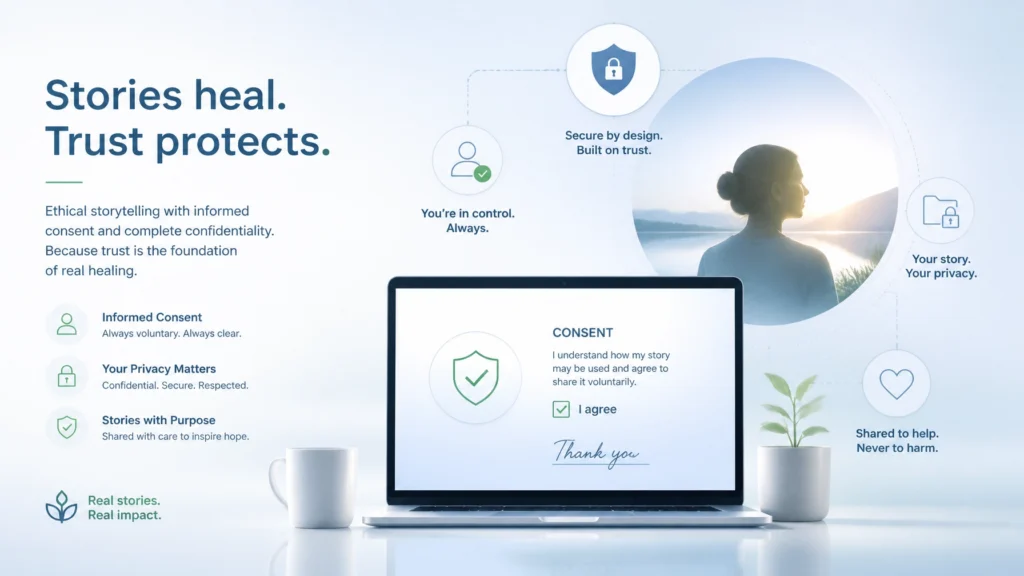
When a prospective patient or a concerned family member lands on your facility's website, they aren't just looking at your credentials or your facility's amenities. They are searching for hope. They want to know one fundamental thing: Can people actually recover here?
Alumni success stories are among the most powerful tools in behavioral health marketing. When an individual shares how your program helped them reclaim their life, it resonates with an emotional depth that traditional advertising simply cannot replicate. In fact, peer recommendations and alumni networks can account for a significant percentage of organic admissions.
Yet, as a treatment center owner or marketing director, you walk a razor-thin line. How do you share these transformative stories without crossing ethical boundaries or violating strict federal privacy regulations?
Let’s explore how you can build an authentic, compelling storytelling strategy that honors your alumni, protects their dignity, and keeps your facility fully compliant.
Table of Contents
- Why Alumni Success Stories Drive Meaningful Admissions
- Navigating the Legal Landscape: HIPAA and 42 CFR Part 2
- Practical Steps for an Ethical, Consent-Driven Alumni Program
- Tiered Storytelling: Balancing Impact and Privacy
- Aligning Your Messaging with NAATP and SAMHSA Standards
- Partnering with Ads Up Marketing for Safe, Effective Growth
Why Alumni Success Stories Drive Meaningful Admissions
I know you are juggling a hundred priorities: from clinical oversight and staffing to managing your digital footprint against massive enterprise competitors. In a field as sensitive as addiction treatment, trust is your greatest currency.
According to guidance from the Substance Abuse and Mental Health Services Administration (SAMHSA), fostering supportive peer connections is a cornerstone of long-term recovery. When prospective clients see real individuals thriving after treatment, it lowers their hesitation and builds immediate rapport.
However, many facility owners make the mistake of either shying away from alumni marketing entirely out of fear, or rushing into testimonials without proper safeguards. Striking the right balance requires a deep understanding of both compliance and human connection. To see how effective content creation can amplify your facility's voice while maintaining strict safeguards, let's look at how the regulatory framework operates.
Navigating the Legal Landscape: HIPAA and 42 CFR Part 2
If you operate a U.S. addiction treatment center, you are already familiar with the Health Insurance Portability and Accountability Act (HIPAA). But substance use disorder (SUD) programs also fall under 42 CFR Part 2, which provides federal confidentiality protections that are often even stricter than HIPAA.

Here is what you need to remember:
- Protected Health Information (PHI): Any information that identifies an individual and relates to their past, present, or future health or treatment is protected.
- No Implied Consent: Just because an alumnus is active in your community events or speaks at a graduation does not mean you have permission to feature their story on your website or social media channels.
- Explicit Written Authorization: You must secure a separate, voluntary written authorization specifically designating that their story, name, or likeness can be used for marketing and public communications.
Failing to secure proper documentation can result in severe regulatory penalties and erode the trust you've worked so hard to build. That is why having a standardized, legally vetted consent process is non-negotiable.
Practical Steps for an Ethical, Consent-Driven Alumni Program
Building a compliant storytelling pipeline doesn't have to be intimidating. By embedding ethical practices into your alumni coordinator's workflow, you can generate powerful testimonials without crossing legal lines.
- Approach Alumni Only After Stabilization: Never ask current clients or newly discharged individuals to participate in marketing. Wait until they are stable in their recovery and can make a fully voluntary, uncoerced decision.
- Keep Consent Separate: Ensure the marketing authorization form is entirely separate from general treatment paperwork. It must never be tied to discounts, special alumni privileges, or continued clinical care.
- Offer Full Transparency: Clearly explain where the story will appear (website, social media, paid ads, print brochures) and clarify that once published online, it may be shared beyond your direct control.
- Allow Pre-Publication Review: Always give the alumnus the opportunity to review their final written story or video before it goes live. Respecting their boundaries fosters a lifelong, positive relationship with your facility.
Performance Impact: Ethical Storytelling vs. Risky Marketing
| Strategy Approach | Compliance Risk | Admissions Impact | Long-Term Brand Trust |
|---|---|---|---|
| Unverified / Informal Testimonials | High (Potential HIPAA/Part 2 violations) | Short-term spike, high liability | Severely Damaged |
| Grounded Paid-Only Ads (No Stories) | Zero | Moderate (High CPC competition) | Neutral |
| Ethical, Consent-Driven Alumni Stories | Zero (Fully authorized & documented) | High (Authentic peer connection) | Exceptional |
As shown above, taking the time to implement structured, ethical storytelling workflows delivers superior long-term results for your facility's reputation and growth.
Tiered Storytelling: Balancing Impact and Privacy
Not every alumnus wants their face and full name plastered across a billboard or digital ad: and that is completely okay. A successful marketing strategy utilizes a tiered approach to accommodate different comfort levels while maintaining authenticity:

- Full Identification: High-visibility video or photo testimonials with full names, used with robust, documented consent.
- Limited Identification: First name only, or first name with initial, accompanied by generalized location details (e.g., "Sarah from the Midwest").
- Anonymous or De-Identified Narratives: Compelling written accounts featuring generalized demographics ("An alumnus, age 34") that protect privacy while offering universal hope.
By offering these flexible options, you invite more alumni to participate safely, enriching your content strategy without compromising anyone's personal boundaries.
Aligning Your Messaging with NAATP and SAMHSA Standards
The National Association of Addiction Treatment Providers (NAATP) maintains strict ethical codes regarding marketing, transparency, and patient dignity. When crafting your alumni stories, keep these key principles in mind:
- Avoid Exaggerated Claims: Never frame a single success story as a guaranteed outcome or "cure." Addiction treatment is a nuanced, individualized journey.
- Prohibit Exploitative Incentives: Never pay alumni per referral or tie financial compensation to admissions. Modest honoraria for speaking engagements are acceptable, but referral fees violate core ethical standards.
- Use Non-Stigmatizing Language: Align your messaging with guidelines from the National Institute on Drug Abuse (NIDA) by using person-first language ("a person in recovery" rather than derogatory labels).
How Ads Up Marketing Can Help You Share Authentic Stories Safely
Navigating the intersection of digital marketing, ethical storytelling, and federal compliance is challenging. You shouldn't have to figure it all out alone.

At Ads Up Marketing, we work exclusively with addiction treatment centers and behavioral health facilities. We understand the nuances of behavioral health SEO and compliant content strategy. We help you build robust digital funnels, optimize your web presence, and highlight your facility's unique strengths without risking your reputation or regulatory standing.
Ready to attract more admissions while protecting your brand's integrity? Let's talk about a data-driven strategy tailored specifically to your facility. Call us today at 305-539-7114 or visit our contact page to schedule your consultation.