You've probably heard the pitch: "Let AI revolutionize your rehab marketing!" The promise sounds incredible: automated lead generation, instant patient responses, predictive analytics that fill your beds. But here's what they don't tell you: 70% of treatment centers that deploy AI tools without strategic oversight see minimal ROI improvements within their first year.
Don't get me wrong: AI is absolutely transformative for addiction treatment marketing. But thinking you can just flip a switch and watch admissions pour in? That's like buying a Ferrari and expecting it to drive itself to victory lane without a skilled driver behind the wheel.
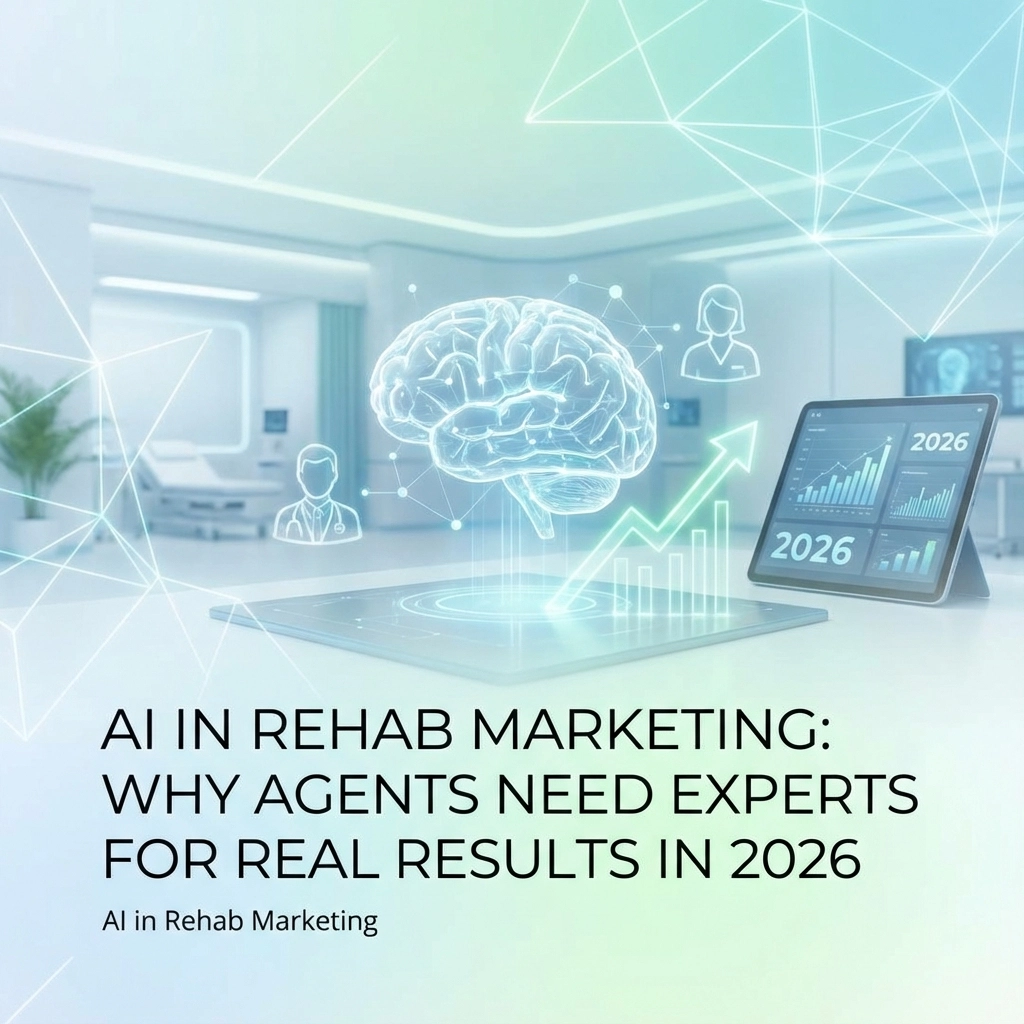
The real game-changer in 2026 isn't choosing between AI and human expertise. It's finding the perfect blend of both.
The AI Promise vs. Reality Check
Walk into any treatment center owner meeting these days, and you'll hear the same conversation. "Our competitor just launched an AI chatbot and they're claiming 40% more leads." "Should we be using machine learning for our Google Ads?" "Can AI write our website copy?"
Here's the thing: AI can do all of these things. Advanced chatbots are handling initial patient inquiries 24/7. Machine learning algorithms are optimizing ad spend in real-time. Natural language processing is creating personalized content at scale.
But there's a massive gap between having these tools and using them effectively.
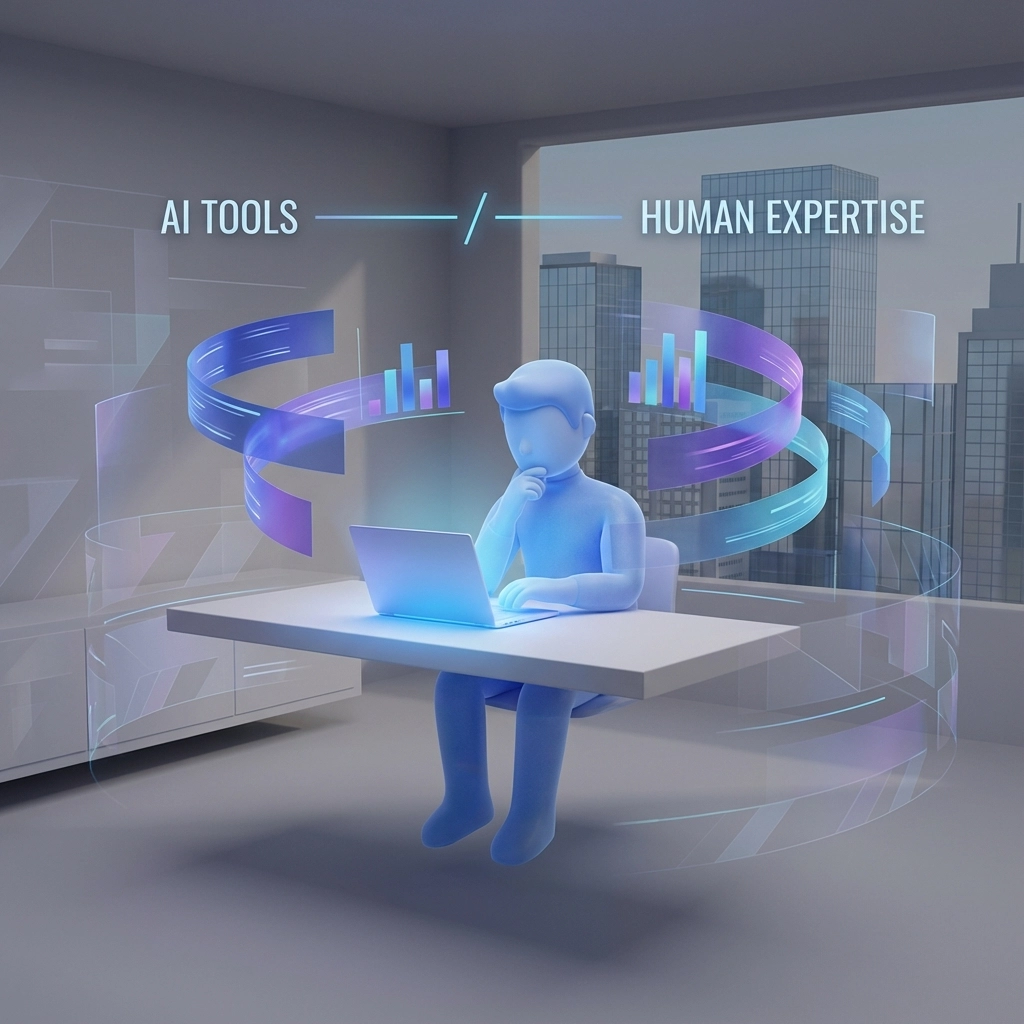
Think about it this way: you wouldn't hand your clinical protocols to someone who'd never worked in addiction treatment, right? The same principle applies to your marketing. AI tools are incredibly powerful, but they need someone who understands the nuances of addiction marketing to guide them properly.
Where AI Falls Short Without Expert Guidance
The Compliance Minefield
AI doesn't understand HIPAA violations or state-specific advertising regulations for addiction treatment. I've seen centers get flagged by regulatory bodies because their AI-generated content made medical claims that crossed legal lines. The algorithm thought it was being helpful by promising "guaranteed recovery": but that's exactly the kind of language that gets you in trouble with licensing boards.
Your AI chatbot might be fantastic at engaging visitors, but does it know when to stop collecting personal information? Does it understand the difference between general health information and protected health data? Without proper oversight, you're one algorithm away from a compliance nightmare.
Missing the Human Touch
Here's where things get really tricky. Families calling your center aren't just leads in a funnel: they're people in crisis. AI can identify high-intent keywords and behavioral patterns, but it takes human expertise to craft messaging that feels genuine rather than manipulative.
I recently reviewed an AI-generated email sequence that was technically perfect. Great open rates, solid click-through metrics. But the tone was completely tone-deaf. It read like a used car salesman trying to sell hope, not a treatment center offering genuine help.
Strategy Blind Spots
AI excels at tactics but struggles with strategy. It can tell you which ad variations perform better, but it can't tell you why your target audience resonates with one message over another. It can optimize your budget allocation across platforms, but it doesn't understand the patient journey from initial crisis to making the decision to seek treatment.
The Sweet Spot: AI + Expert Strategy
The centers seeing real success in 2026 aren't choosing sides. They're leveraging AI's speed and scale while maintaining human oversight for strategy, compliance, and authentic connection.
Here's what this actually looks like in practice:
Data-Driven Decisions with Human Insight
| AI Capability | Human Expertise Required |
|---|---|
| Predictive analytics for lead scoring | Understanding addiction treatment buyer journey |
| Automated bid optimization | Strategic budget allocation across treatment levels |
| Content generation at scale | Brand voice and compliance review |
| 24/7 chatbot responses | Crisis intervention protocols and escalation |
| Real-time campaign adjustments | Long-term marketing strategy alignment |
Smart centers are using AI to crunch numbers and identify patterns, then having experienced marketers interpret those insights within the context of addiction treatment marketing. The AI might tell you that people searching at 2 AM have higher conversion rates: but it takes human expertise to understand that these are likely families in crisis who need immediate, compassionate response.
Personalization That Actually Feels Personal
AI can personalize content based on user behavior, but it takes human insight to make that personalization feel authentic. When someone visits your detox program page multiple times, AI can trigger targeted messaging. But the difference between "Ready to start detox? Call now!" and "Taking the first step is always the hardest: we're here when you're ready" comes down to human understanding of what families are experiencing.
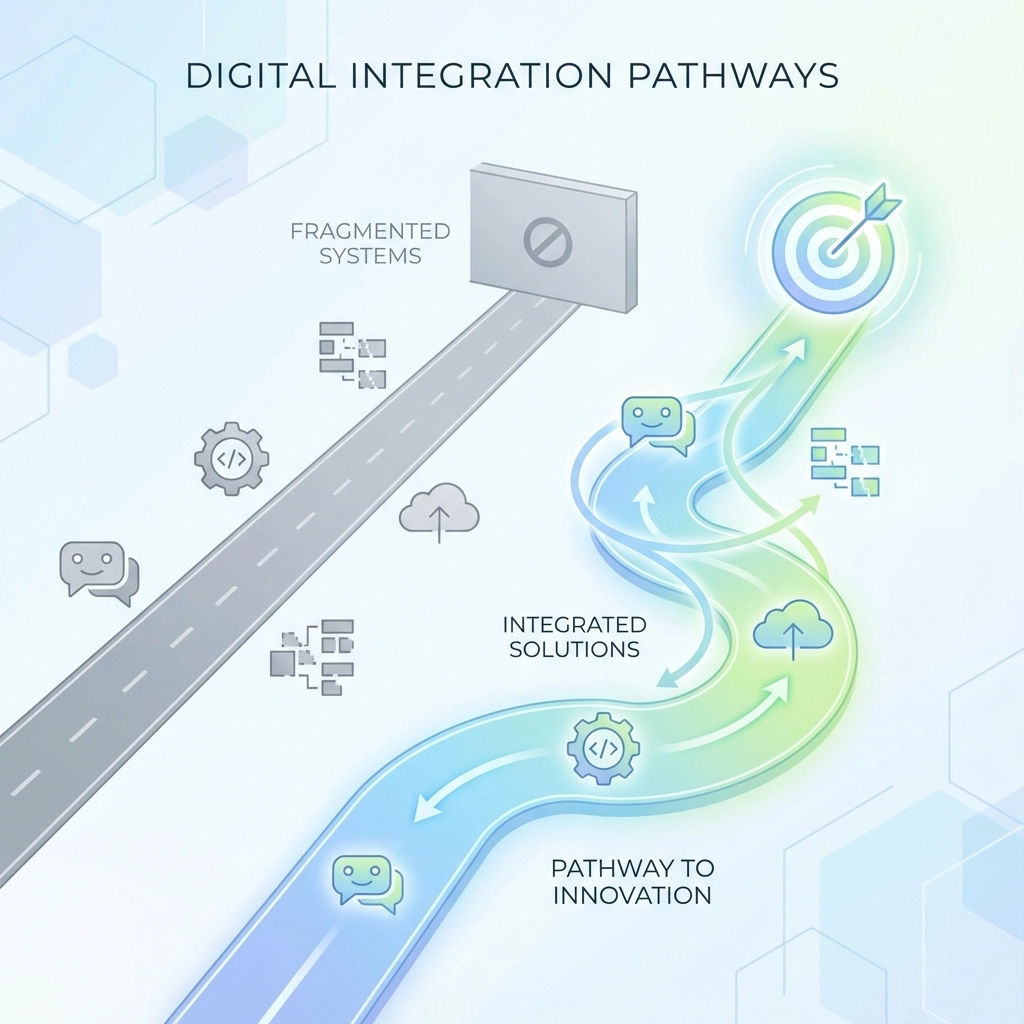
Real-World Success: AI Enhancement vs. AI Replacement
Let me share what's actually working. One of our clients was struggling with lead response times. Their admissions team was overwhelmed, and potential patients were calling competitors while waiting for callbacks.
We didn't replace their admissions team with AI. Instead, we implemented AI-powered lead scoring that instantly identified the highest-intent inquiries and prioritized them for immediate human follow-up. The AI handled initial information gathering through chatbots and forms, but every conversation was designed to quickly transition to a human who understood addiction treatment.
Result? Their response time dropped from an average of 4 hours to 12 minutes, and their conversion rate increased by 60%. The AI didn't replace human connection: it made human connection possible when it mattered most.
Why Expertise Matters More Than Ever
As AI becomes more accessible, the competitive advantage isn't having the fanciest tools. It's knowing how to use them strategically within the unique context of addiction treatment marketing.
Understanding Your Audience's Journey
Families researching treatment options don't follow standard consumer behavior patterns. They're dealing with crisis, stigma, insurance concerns, and complex family dynamics. AI can track their digital behavior, but it takes human expertise to understand the emotional journey behind those clicks.
Ethical Implementation
There's a fine line between helpful automation and exploitative manipulation. AI can identify when someone is most vulnerable and likely to convert: but should you really be targeting someone at their lowest moment with aggressive sales messaging? These ethical considerations require human judgment, not algorithmic optimization.
Continuous Strategy Evolution
The addiction treatment landscape changes constantly. New regulations, shifting insurance policies, evolving patient expectations. AI adapts to data patterns, but it takes human expertise to anticipate industry changes and adjust strategy proactively.

The Ads Up Advantage: Best of Both Worlds
This is exactly why we've invested heavily in both cutting-edge AI tools and experienced addiction marketing specialists. Our team includes former treatment center admissions directors, compliance experts, and digital strategists who've been in the addiction treatment space for years.
We use AI to:
- Analyze massive datasets to identify optimal targeting opportunities
- Automate routine tasks so our experts can focus on strategy
- Personalize content at scale while maintaining brand voice
- Optimize campaigns in real-time based on performance data
But we rely on human expertise to:
- Ensure all messaging aligns with compliance requirements
- Craft authentic communication that resonates with families in crisis
- Develop long-term strategies that build sustainable growth
- Navigate the complex ethical considerations of addiction marketing
Getting Started: Your Next Steps
If you're ready to accelerate your marketing with the right blend of AI and expertise, here's what I recommend:
Don't start with tools: start with strategy. The most sophisticated AI in the world won't help if you don't have clear goals and understanding of your target audience.
Prioritize compliance from day one. AI moves fast, but regulatory violations can shut down your marketing overnight. Make sure you have experienced oversight before you automate anything.
Focus on enhancement, not replacement. The goal isn't to eliminate human touch: it's to make human connection more effective and accessible.
Ready to see what's possible when you combine powerful AI tools with proven addiction marketing expertise? Our team has helped treatment centers achieve an average 40% increase in qualified admissions within 90 days of implementation.
Call us at 305-539-7114 to discuss how the right blend of AI and expert strategy can transform your marketing results in 2026. Let's build a system that doesn't just generate leads: it connects families with the help they need while growing your census sustainably.
The future of addiction treatment marketing isn't human versus AI. It's human with AI, working together to reach more families and save more lives. And that future starts with your next phone call.