
INSIGHTS
Transparency as a Shield: How Clear Disclosures Improve Your Ad Approval Rates
You've been there before. You craft the perfect ad, write compelling copy, and upload it to Google or Meta with high hopes. Then, bam: rejected. No real explanation. Just a vague policy violation notice that sends you down a rabbit hole of appeal forms and wasted time.
For healthcare and addiction treatment facilities, ad rejections aren't just annoying. They're costly. Every day your ads sit in review purgatory is another day potential patients find your competitors instead. According to SAMHSA, there are over 14,000 specialized addiction treatment facilities in the U.S., all competing for the same pool of people desperately seeking help. When your ads don't run, you lose.
But here's something most facility owners don't realize: transparency isn't just about following the rules: it's your secret weapon for getting ads approved faster and keeping them running longer.
Why Google and Meta Actually Care About Your Disclosures
Let's get real for a second. Google and Meta aren't rejecting your ads because they're out to get you. They're protecting themselves from lawsuits, regulatory fines, and bad press. After multiple scandals involving predatory healthcare advertising and misleading addiction treatment promotions, these platforms tightened their policies significantly.

The FTC has been cracking down on deceptive healthcare advertising for years, with specific focus on addiction treatment centers that make unsubstantiated claims or hide important program details. When platforms allow questionable ads to run, they become liable. So they've built increasingly sophisticated AI filters and manual review processes.
What does this mean for you? Simple: the clearer and more upfront you are about what you offer, how much it costs, and what patients can expect, the less likely your ads trigger red flags.
Think about it from the platform's perspective. An ad that says "Get sober in 30 days guaranteed!" with no other context? That's screaming lawsuit. An ad that clearly states your treatment modalities, mentions insurance acceptance, and directs to a transparent landing page? That's a safe bet.
What Transparency Actually Looks Like in Healthcare Advertising
Transparency isn't some abstract concept. It's concrete, actionable, and honestly pretty straightforward once you know what to include. Here's what Google and Meta reviewers actually look for:
Required Elements for Healthcare Ads:
- Clear identification of your facility name and location
- Specific services offered (detox, PHP, IOP, etc.)
- Transparent pricing indicators or insurance acceptance statements
- Accreditations and licensing information
- Realistic outcome expectations (no cure promises)
- Clear disclosures about treatment duration and commitment requirements
Let's break down a comparison:
| Transparent Ad Approach | Red Flag Ad Approach |
|---|---|
| "Evidence-based addiction treatment in Miami. Most insurance accepted. Joint Commission accredited. Call for free verification." | "Cure your addiction fast! Amazing results guaranteed. Call now!" |
| Landing page shows: pricing structure, insurance partners, facility photos, staff credentials | Landing page shows: stock photos, vague promises, no pricing, hidden fees |
| Ad clearly states "30-day residential program" | Ad says "Get better in weeks!" |
| "Our PHP program includes 4 hours daily therapy, medication management, and family support" | "Comprehensive treatment that works!" |
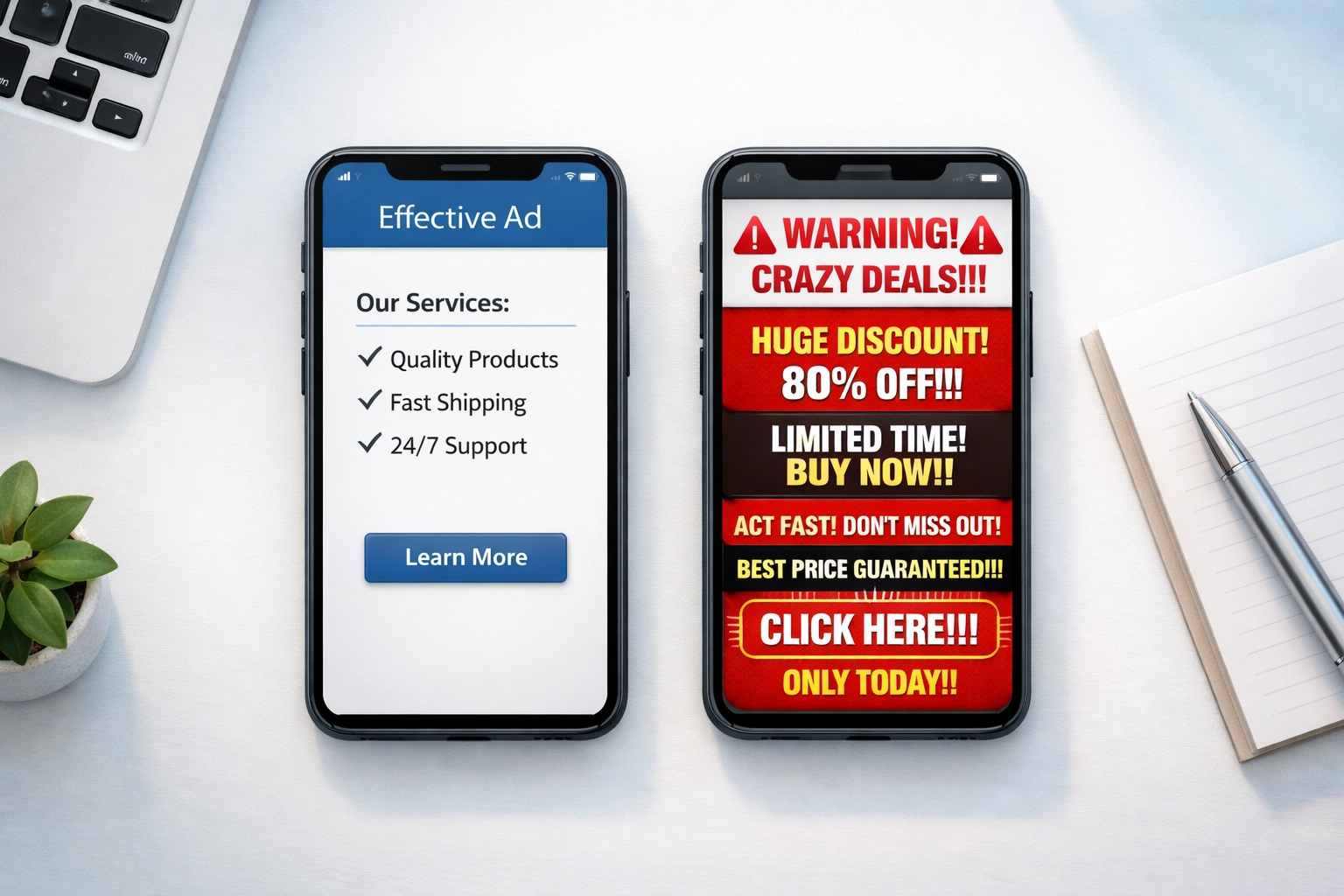
Notice the difference? The transparent approach gives reviewers exactly what they need to approve your ad quickly. The vague approach triggers manual reviews, compliance checks, and often rejection.
The Real-World Impact on Your Approval Rates
Here's where this gets interesting. We've managed ad accounts for dozens of treatment facilities, and the data doesn't lie. Facilities that implement transparent advertising practices see approval rates improve by 40-60% compared to those that keep things vague.
One of our clients came to us after experiencing rejection rates of about 70% on their Google ads. Their biggest issue? They were trying to get creative with compliance. Hiding pricing discussions, using emotional manipulation tactics, making broad promises about recovery.
We restructured their entire ad strategy around transparency:
- Added clear accreditation badges to all landing pages
- Listed specific treatment modalities upfront
- Created dedicated pages for insurance verification
- Removed all "guaranteed results" language
- Added transparent disclosure statements
Within 30 days, their approval rate jumped to 92%. Not only were more ads getting approved, but they were getting approved faster: usually within 24 hours instead of the 3-5 day wait for manual review.
But this still doesn't drill down into why transparency actually protects you from future issues. Remember, approval is just step one. Staying approved is where the real value lies.
How Clear Disclosures Prevent Policy Strikes and Account Suspensions
Google and Meta don't just look at your ads once and forget about them. They continuously monitor running campaigns, especially in regulated industries like healthcare. User complaints, competitive reports, and random audits can trigger re-reviews of approved ads.
This is where transparency becomes your shield. When your ads and landing pages clearly disclose:
- What services cost (or how to find out)
- What's included and what's not
- Realistic expectations about treatment outcomes
- Required time commitments
- Insurance coverage details
…you create a documented trail of honest communication. If someone files a complaint claiming you misled them, you have clear evidence you didn't.
According to guidelines from the National Association of Addiction Treatment Providers (NAATP), ethical marketing for treatment centers should prioritize patient welfare over conversion optimization. That might sound like it conflicts with your business goals, but actually it doesn't. Transparent marketing attracts better-quality leads who understand what they're signing up for.
Think about the alternative. You run vague ads that promise the moon, get someone to admit who expects something completely different than what you offer, and they leave AMA within 72 hours. That's not just bad for your outcomes data: it's also a person who might file a complaint with the platform about misleading advertising.
Common Transparency Mistakes That Still Get Ads Rejected
Even facilities trying to be transparent make critical mistakes. Let's address the biggest ones:
Mistake #1: Burying Disclosures in Fine Print
Putting a tiny asterisk that leads to a paragraph of legal disclaimers at the bottom of your landing page doesn't count as transparency. If you accept "most insurance," say that clearly in the ad copy and near your CTA, not hidden in a footer.
Mistake #2: Ambiguous Outcome Language
Saying "effective treatment" or "proven methods" without specifying what that means triggers reviews. Instead, reference your specific modalities: "Evidence-based treatment including CBT, DBT, and medication-assisted treatment backed by NIDA research."
Mistake #3: Inconsistent Messaging Across Platforms
Your ad says one thing, your landing page says another, and your intake coordinator quotes different information on the phone. This inconsistency gets flagged quickly. Make sure your entire funnel tells the same transparent story.
Mistake #4: Over-Promising on Timeframes
"30-day program" is fine if you actually offer 30-day programs. "Get your life back in 30 days" suggests guaranteed recovery in a month, which is medically inaccurate and gets rejected.

Mistake #5: Hiding Who You Actually Are
Some facilities use marketing agencies' contact info instead of their own facility information. This looks like you're trying to hide your identity and gets flagged immediately. Always use your actual facility name, location, and contact information.
The Technical Side: How to Structure Your Ads for Maximum Transparency
Let's get practical. You're probably wondering what this looks like in actual campaign setup. Here's the framework we use at Ads Up Marketing for all our healthcare clients:
Ad Copy Structure:
- Headline: Include facility type + location + differentiator
- Description Line 1: Specific services offered
- Description Line 2: Insurance/payment transparency
- Description Line 3: Accreditation/licensing
- Call-to-action: Clear next step
Landing Page Requirements:
- Facility name and location in header
- Accreditation badges visible above the fold
- Clear service descriptions with specific modalities
- Transparent pricing section or insurance verification CTA
- Staff credentials and photos
- Physical address and contact information
- Privacy policy and terms clearly linked
Google LegitScript Certification:
If you're advertising addiction treatment services on Google, you need LegitScript certification. There's no way around this. It's not optional, and trying to run ads without it is why most treatment centers get rejected immediately. This certification process requires you to demonstrate transparency in operations, which actually helps your approval rates across all platforms.
Why This Matters More in 2026 Than Ever Before
Advertising regulations in healthcare are tightening, not loosening. Meta rolled out additional healthcare advertising restrictions in late 2024. Google expanded their manual review process for addiction treatment ads. State attorneys general are actively investigating misleading treatment center advertising.
The facilities that survive and thrive in this environment are the ones that embrace transparency as a competitive advantage rather than treating it as a compliance burden. You're not just protecting yourself from ad rejections: you're building trust with potential patients and their families.

And here's the thing: transparent advertising actually converts better. When people see clear information about costs, services, and what to expect, they're more qualified when they call. They've self-selected based on accurate information. Your intake team spends less time dealing with objections and more time actually admitting appropriate patients.
We've seen this play out across multiple clients. One facility owner told us he was worried that being upfront about requiring a minimum 60-day commitment would hurt conversions. Actually, it improved them. The people who called were ready for that commitment. AMA rates dropped by 35% because expectations were properly set from the first ad impression.
How We Help Facilities Navigate This Complex Landscape
Look, I get it. You didn't open a treatment facility to become an expert in Google ad policies and FTC compliance. You did it to help people recover. But in 2026, your ability to reach those people depends on understanding these platform requirements.
That's exactly why facilities work with us. We stay on top of every policy change, every new disclosure requirement, every update to platform guidelines. When Google changes their healthcare ad policies (which happens quarterly), we update our clients' campaigns the same day. When Meta introduces new restricted content categories, we've already restructured targeting to comply.
More importantly, we know how to communicate transparency in a way that still drives admissions. There's an art to being completely honest while also being compelling. Most facilities lean too far in one direction: either so compliant they're boring, or so persuasive they're non-compliant.
We find that sweet spot. We've helped facilities increase approval rates, decrease ad rejection appeal times, and most importantly, maintain continuous ad delivery without unexpected suspensions or account shutdowns.
If you're tired of dealing with ad rejections, or if you're worried about your current advertising approach putting you at risk, let's talk. We can audit your current campaigns and landing pages to identify compliance gaps before they become problems.
Call us at 305-539-7114 and let's make sure your advertising is both effective and bulletproof.
The treatment centers that win in 2026 aren't the ones with the biggest ad budgets. They're the ones with the clearest, most transparent communication strategies. Your transparency isn't a limitation; it's your competitive edge. Use it.