INSIGHTS
Scaling Without Sacrifice: Building a Sustainable Rehab Culture
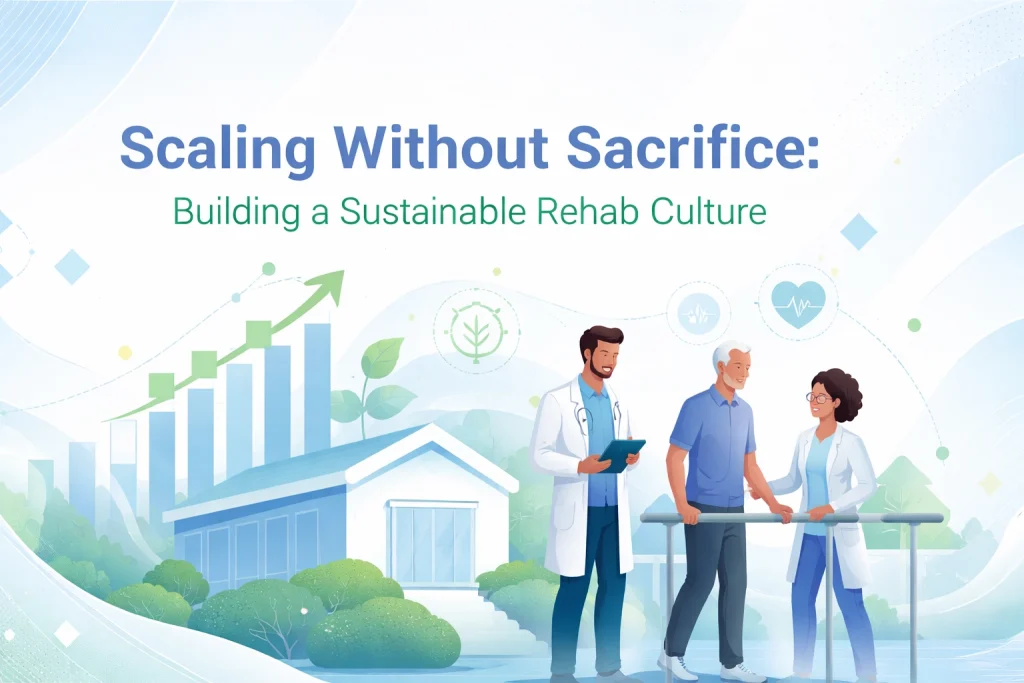
You've built something real. Your treatment center isn't just a business, it's a lifeline for people at their lowest. The culture you've created? It matters. Your staff knows it. Your patients feel it. And now you're ready to grow.
But here's the thing that keeps most rehab owners up at night: Can you scale without losing what makes your facility special?
The short answer is yes. The longer answer involves intentional planning, smart systems, and knowing when to ask for help. Let's dig into what sustainable rehab culture scaling actually looks like: and how to avoid the common pitfalls that tank promising facilities during expansion.
Why Most Rehab Centers Struggle When They Grow
Growth sounds great on paper. More beds, more admissions, more revenue. But the reality? Plenty of owners have watched their census climb while their culture crumbled.
Here's what typically goes wrong:
- Hiring too fast without proper onboarding or culture fit assessment
- Diluted leadership attention as admin tasks multiply
- Quality control gaps when processes aren't documented
- Staff burnout from unclear expectations and increased workload
- Patient experience inconsistency across different shifts or locations
According to SAMHSA's workforce development research, behavioral health organizations face unique retention challenges: turnover in substance abuse treatment settings often exceeds 30% annually. When you're scaling, that number can spike even higher if culture isn't protected.
The facilities that grow successfully don't just add beds. They add infrastructure, systems, and: critically: they invest in marketing strategies that bring the right patients to the right programs.
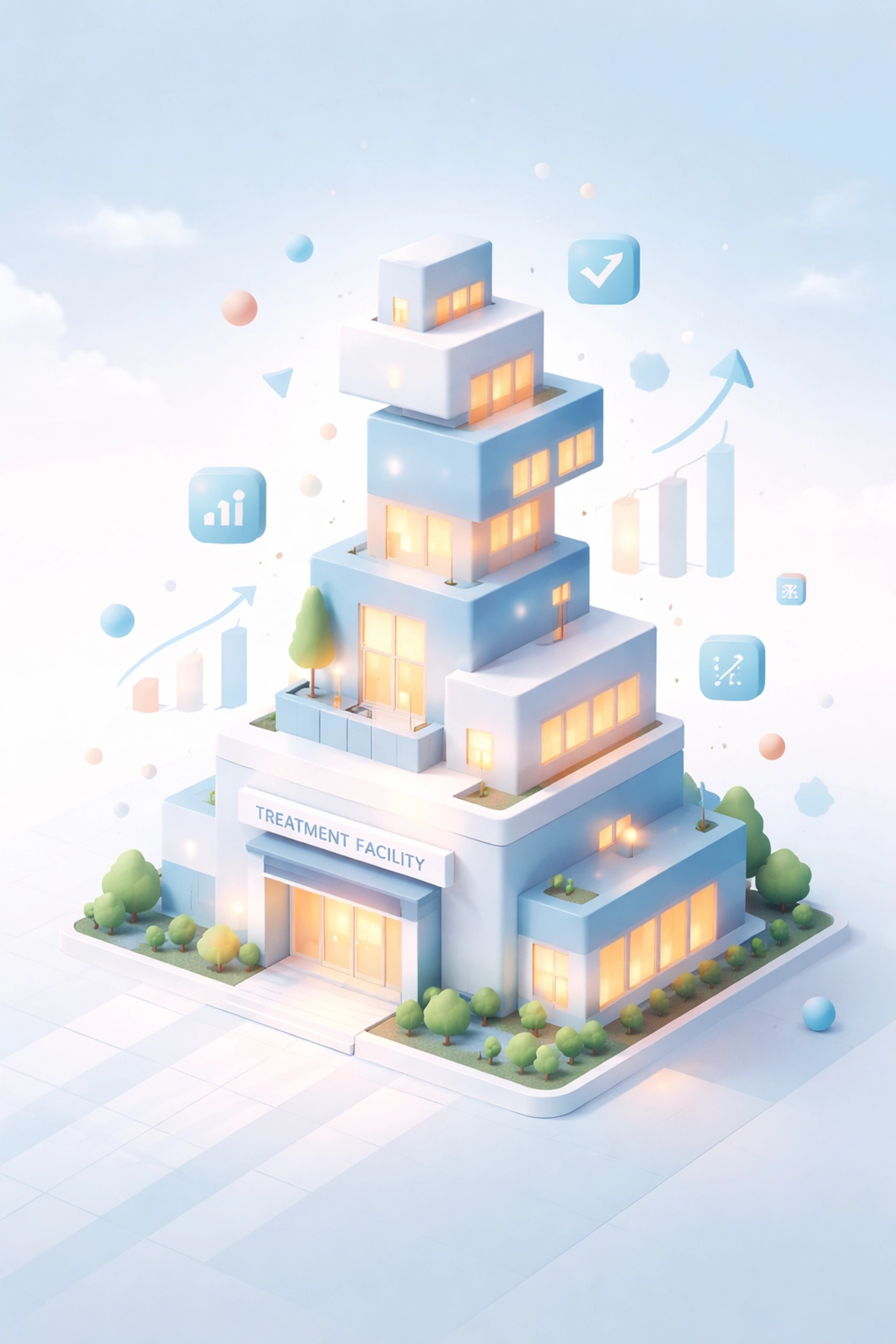
Person-Centered Care Doesn't Scale By Accident
You probably got into this industry because you genuinely care about outcomes. That patient-first mentality is exactly what makes your facility work. But can it survive expansion?
It can: if you're deliberate about it.
Person-centered design with environmental integration needs to be baked into your growth plan from day one. This means:
- Documenting your care philosophy so new hires understand it immediately
- Building physical environments (at new locations) that reflect your treatment approach
- Training staff not just on procedures, but on why those procedures exist
- Creating feedback loops so patient experience data actually influences decisions
The facilities that scale well treat culture like a strategic asset, not a vibe. They measure it, protect it, and invest in it: just like they would with clinical outcomes or financial metrics.
Building Multi-Stakeholder Buy-In
Here's a mistake I see all the time: owners try to scale culture through sheer force of will. They think if they care enough, everyone else will follow.
That approach is fragile. What happens when you're not in the building? When you open a second location? When you finally take a vacation?
Sustainable culture requires distributed ownership. That means involving:
- Clinical staff in care model development
- Admissions teams in patient journey mapping
- Administrative staff in operational workflows
- Even patients and families in feedback processes
Research from rehabilitation implementation studies shows that models designed through multi-stakeholder collaboration have significantly higher adoption rates and long-term sustainability. When people help build the system, they're invested in making it work.
| Scaling Approach | Culture Risk | Sustainability Rating |
|---|---|---|
| Top-down mandates | High | Low |
| Documentation only | Medium | Medium |
| Multi-stakeholder co-design | Low | High |
| External consulting + internal buy-in | Low | High |
The bottom row matters. Sometimes the best move is bringing in outside expertise while building internal ownership. That's where strategic partners come in.
The Holistic Framework That Actually Works
You've probably heard "holistic" thrown around so much it's lost meaning. But when we're talking about scaling culture, it's genuinely useful.
A sustainable rehab culture addresses multiple dimensions:
- Physical: Clinical protocols, environment design, medical integration
- Emotional: Staff wellbeing, patient support systems, family involvement
- Social: Community connections, alumni programs, peer support
- Operational: Documentation, training, quality assurance
- Financial: Sustainable revenue models, appropriate census targets, marketing ROI
Miss any of these, and your scaling efforts will hit a wall. The National Institute on Drug Abuse (NIDA) emphasizes that effective treatment requires addressing the whole person: and your operational model needs to support that.

Leveraging Local Resources (Instead of Expensive Imports)
One of the fastest ways to burn cash during expansion? Importing solutions that don't fit your context.
Maybe you saw a competitor's fancy new EHR system or heard about some consultant's "proprietary methodology." Before you write that check, ask yourself: does this actually match our community, our patient population, our culture?
Sustainable scaling leverages what's already working. That includes:
- Local referral relationships you've built over years
- Staff members who embody your culture and can train others
- Community resources that complement your services
- Marketing strategies tailored to your specific market
Speaking of marketing: this is where most facilities either thrive or stumble during growth. High-intent leads vs. high-volume traffic makes a real difference when you're trying to fill beds without compromising on patient fit.
Clear Implementation Pathways: The Step-By-Step Reality
You can't just decide to scale and expect it to happen smoothly. You need a clear pathway that includes:
Phase 1: Foundation Assessment
- Document current culture elements that must be preserved
- Identify processes that need standardization
- Audit current marketing and admissions workflows
- Assess staff capacity and training needs
Phase 2: Infrastructure Development
- Create training materials and onboarding programs
- Build quality assurance checkpoints
- Develop marketing strategies for increased capacity
- Establish metrics for culture health (not just census)
Phase 3: Controlled Expansion
- Add capacity incrementally, not all at once
- Monitor culture indicators alongside financial metrics
- Adjust based on data, not assumptions
- Maintain feedback loops with all stakeholders
Phase 4: Optimization
- Refine processes based on real-world results
- Scale what works, fix what doesn't
- Continue investing in staff development
- Keep marketing aligned with capacity

The facilities that nail this process share something in common: they don't try to do everything themselves. They bring in partners who understand the addiction treatment space: and who can help optimize admissions processes while protecting what makes the facility unique.
Marketing's Role in Sustainable Scaling
Here's something that gets overlooked: your marketing strategy directly impacts your culture.
How? Because the patients you attract shape the community you build. If your marketing brings in patients who are wrong for your program, your staff burns out faster, your outcomes suffer, and your culture erodes.
Strategic marketing for scaling facilities focuses on:
- Attracting patients who align with your treatment philosophy
- Setting appropriate expectations before admission
- Supporting census goals without sacrificing quality
- Building referral relationships that feed sustainable growth
Check out our breakdown on common residential treatment facility marketing mistakes if you want to avoid the traps that derail most scaling efforts.
The National Association of Addiction Treatment Providers (NAATP) has emphasized that ethical marketing isn't just about compliance: it's about building programs that actually work for the patients they serve.
When to Bring in Strategic Support
Look, I get it. You've built this thing from scratch. Asking for help can feel like admitting weakness.
But the most successful facility owners I've worked with share a common trait: they know their strengths and they delegate the rest.
If you're serious about scaling without sacrificing your culture, here's what you need:
- A marketing partner who understands addiction treatment compliance
- Systems that bring in the right patients at the right time
- Data that tells you what's actually working (not just what feels good)
- Strategic guidance that respects what you've already built
At Ads Up Marketing, we specialize in helping treatment centers grow sustainably. We're not going to give you cookie-cutter strategies that ignore your culture. We work with you to understand what makes your facility unique: then build marketing systems that protect and amplify those strengths.
Your Next Move
Scaling doesn't have to mean sacrificing what matters. With the right approach: person-centered design, stakeholder buy-in, clear implementation pathways, and strategic marketing support: you can grow your census while strengthening your culture.
But you don't have to figure it out alone.
Ready to scale the right way? Give us a call at 305-539-7114 and let's talk about building a growth strategy that works for your facility, your staff, and your patients. No pressure, no generic pitches: just a real conversation about what sustainable scaling looks like for you.