
INSIGHTS
Addiction Treatment Marketing Ethics: Drawing the Line Between Persuasion and Compliance
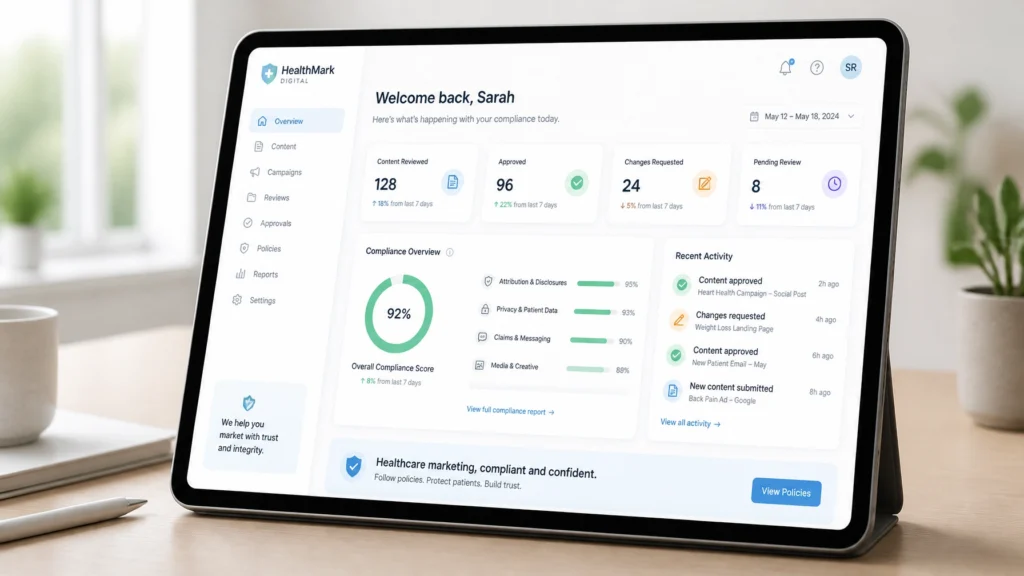
If you own or operate an addiction treatment center, you already know the sinking feeling of watching your ad spend climb while admissions plateau. In an increasingly crowded digital landscape dominated by private equity-backed monoliths with massive marketing war chests, the temptation to push the envelope with your messaging is entirely understandable. When families are in crisis, searching desperately at 2:00 AM for a way to save a loved one, every second counts.
However, crossing the line from compelling persuasion into deceptive or non-compliant territory can destroy years of hard-earned reputation in a single afternoon. Regulatory bodies, platform watchdogs like LegitScript, and federal enforcers are cracking down harder than ever on misleading claims, patient brokering, and aggressive sales tactics in the behavioral health sector.
So how do you drive sustainable census growth while maintaining uncompromising integrity? Let’s explore how addiction treatment marketing ethics intersect with modern compliance standards, and how you can protect your facility while maximizing admissions.
Table of Contents
- The High Stakes of Behavioral Health Compliance
- Core Principles of Addiction Treatment Marketing Ethics
- Navigating LegitScript, SAMHSA, and Platform Standards
- Compliance Risk vs. Marketing Performance: A Reality Check
- Protecting Patient Privacy: HIPAA and 42 CFR Part 2 in Digital Campaigns
- Partnering with Specialists Who Understand the Line
- Frequently Asked Questions
The High Stakes of Behavioral Health Compliance

Picture this: Your admissions team fields a call from a frantic parent who read an ad promising a "98% long-term cure rate" or "luxury resort-style detox with guaranteed sobriety." When the patient arrives, reality sets in, expectations shatter, trust breaks down, and state regulators or the Federal Trade Commission (FTC) take notice.
In addiction treatment, marketing isn't just about selling a product, it's about shepherding vulnerable people into life-saving clinical care. According to guidelines set by the Substance Abuse and Mental Health Services Administration (SAMHSA), transparency and clinical accuracy are non-negotiable foundations of effective treatment. When facilities rely on hyperbolic guarantees or hidden financial arrangements, patients suffer, and licenses get suspended.
"Ethical marketing treats the prospective patient as a person seeking help, not merely a cost-per-acquisition metric."
If you are struggling to balance aggressive growth targets with strict regulatory guardrails, you don't have to navigate it alone. Let’s discuss how to structure campaigns that convert safely. Call us today at 305-539-7114.
Core Principles of Addiction Treatment Marketing Ethics
Maintaining high ethical standards requires examining every touchpoint of your digital footprint, from your homepage headlines to your call-center scripts.
1. Truthful, Substantiated Claims
Every statistic, outcome claim, and facility feature must be verifiable. Avoid terms like "cure," "100% success," or "permanent sobriety." Instead, lean into evidence-based modalities, clinical accreditations (such as The Joint Commission or CARF), and transparent descriptions of your therapeutic environment. Aligning your messaging with professional frameworks like the National Association of Addiction Treatment Providers (NAATP) code of ethics ensures your brand remains bulletproof against allegations of deceptive advertising.
2. Radical Transparency on Costs and Levels of Care
Modern regulations, including state-level Stop Addiction Fraud Ethics (SAFE) Acts, require clear disclosures regarding:
- Exact types of services and ASAM levels of care provided.
- Average lengths of stay.
- Transparent financial relationships and ownership details.
Hiding fees or misrepresenting what is covered by insurance creates immediate friction during intake and violates consumer protection laws.
Navigating LegitScript, SAMHSA, and Platform Standards

If you've ever tried to launch Google Ads or Meta campaigns for substance use disorder (SUD) services without proper vetting, you know the frustration of instant ad disapprovals or account suspensions.
Platforms like Google and Bing require LegitScript certification before allowing centers to bid on high-intent search queries. LegitScript rigorously verifies your licensing, clinical staffing credentials, website compliance, and corporate transparency.
- Why does this matter? Because trying to bypass platform filters using cloaking or vague keyword tactics is a ticking time bomb.
- The solution: Build your foundational digital strategy around compliance. By leveraging data-driven PPC management services specifically tailored for behavioral health, you can secure ad inventory legitimately while outperforming competitors who rely on risky shortcuts.
For deeper insights into managing massive ad budgets safely, check out our analysis on the $100M data advantage.
Compliance Risk vs. Marketing Performance: A Reality Check
Facility owners often worry that tightening compliance guidelines will choke off their admissions pipeline. But in reality, ethical marketing builds higher trust, lower bounce rates, and better-qualified leads.
| Marketing Approach | Compliance Risk | Patient Trust | Long-Term ROI |
|---|---|---|---|
| Aggressive / Deceptive (Exaggerated claims, hidden fees) | Critical (FTC fines, LegitScript ban, license suspension) | Extremely Low | Negative (High churn, severe legal fallout) |
| Compliant & Transparent (Verified claims, clear ASAM care levels) | Zero to Low (Fully vetted, audit-ready) | Exceptionally High | Sustainable Growth |
When your messaging is honest and clear, your admissions team spends less time handling disillusioned prospects and more time enrolling patients who are genuinely suited for your program. For more tips on streamlining your intake process, read our guide on why your rehab call center is your biggest revenue leak.
Protecting Patient Privacy: HIPAA and 42 CFR Part 2 in Digital Campaigns
Digital marketing analytics have grown incredibly sophisticated, but they also present serious legal hazards in healthcare. Under HIPAA and federal confidentiality regulations like 42 CFR Part 2, transmitting identifiable patient or addiction-related data through unencrypted tracking pixels, standard chat widgets, or poorly configured CRM tools can lead to severe federal penalties.
Ensuring compliance requires:
- Auditing all website tracking pixels (Meta Pixel, Google Analytics 4) to ensure they do not capture Protected Health Information (PHI).
- Establishing Business Associate Agreements (BAAs) with every software vendor touching lead data.
- Using HIPAA-compliant intake and call-tracking infrastructure.
Pairing robust privacy protocols with expert SEO services ensures your organic visibility grows securely without compromising patient confidentiality.
Partnering with Specialists Who Understand the Line

Navigating the shifting sands of addiction treatment marketing ethics shouldn't feel like walking through a minefield. You need a dedicated partner who knows the regulatory landscape inside and out, someone who combines aggressive growth strategies with uncompromising legal compliance.
At Ads Up Marketing, we work exclusively with behavioral health facilities and addiction treatment centers. We don't do guesswork; we rely on decades of collective experience, rigorous data analytics, and strict adherence to industry standards to help you fill your beds safely and sustainably.
Ready to audit your current marketing ethics and scale your facility with confidence? Let's talk strategy. Call us right now at 305-539-7114 or visit our contact page to schedule your consultation.
Frequently Asked Questions
What is LegitScript certification and why is it required for rehab marketing?
LegitScript certification is an independent verification standard required by major search engines (Google, Bing, Meta) to ensure that addiction treatment providers are fully licensed, ethically operated, and compliant with local and federal regulations before running paid advertisements for substance use disorder services.
Can addiction treatment centers use patient testimonials in marketing?
Yes, but with strict caveats. Testimonials must feature documented, voluntary consent and must comply with HIPAA and 42 CFR Part 2 guidelines to ensure no protected health information or identifying substance use history is inappropriately exposed.
How does Ads Up Marketing ensure ethical and compliant campaigns?
We specialize exclusively in behavioral health marketing, utilizing verified LegitScript standards, HIPAA-compliant tracking infrastructures, and evidence-based copywriting that aligns with SAMHSA guidelines and professional codes of ethics.