INSIGHTS
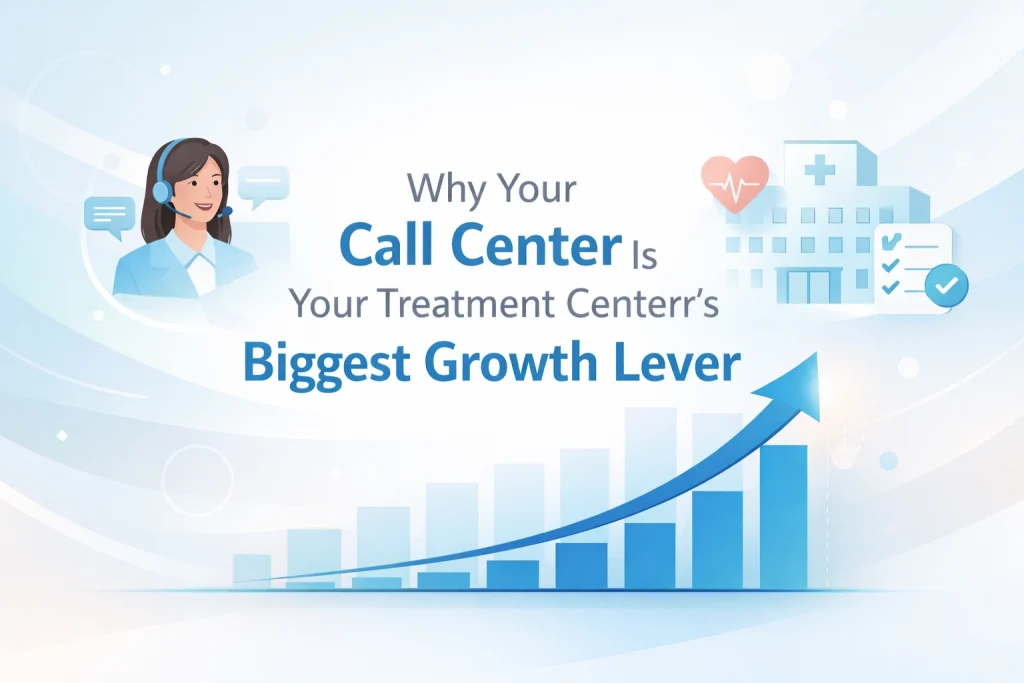
Why Your Call Center Is Your Treatment Center’s Biggest Growth Lever
You're spending thousands: maybe tens of thousands: on digital marketing every month. Your ads are running, your website looks great, and the phone is ringing. But here's the uncomfortable truth: if your call center isn't operating like a well-oiled machine, you're bleeding revenue with every missed call and fumbled conversation.
And I'm not talking about small leaks. We're talking about losing up to 50% or more of your potential admissions simply because calls aren't being handled properly.
Let's fix that.
The $50,000 Question Nobody's Asking
When was the last time you actually listened to your intake calls? Not just skimmed a few, but really paid attention to how your team handles someone in crisis?
Because here's what most treatment center owners don't realize: your call center isn't just an operational necessity. It's the single most powerful revenue driver you have. Every marketing dollar you spend funnels down to one critical moment: when someone picks up the phone and calls you.
That moment? That's where growth happens. Or dies.

Why Call Centers Make or Break Your Admissions
Think about the patient journey for a second. Someone struggling with addiction (or their loved one) has finally reached the point where they're ready to seek help. They've Googled treatment options, maybe clicked on your ad, visited your website, and now they're calling.
This is the highest-intent lead you'll ever get. They're not browsing. They're not comparing. They're ready to commit: right now.
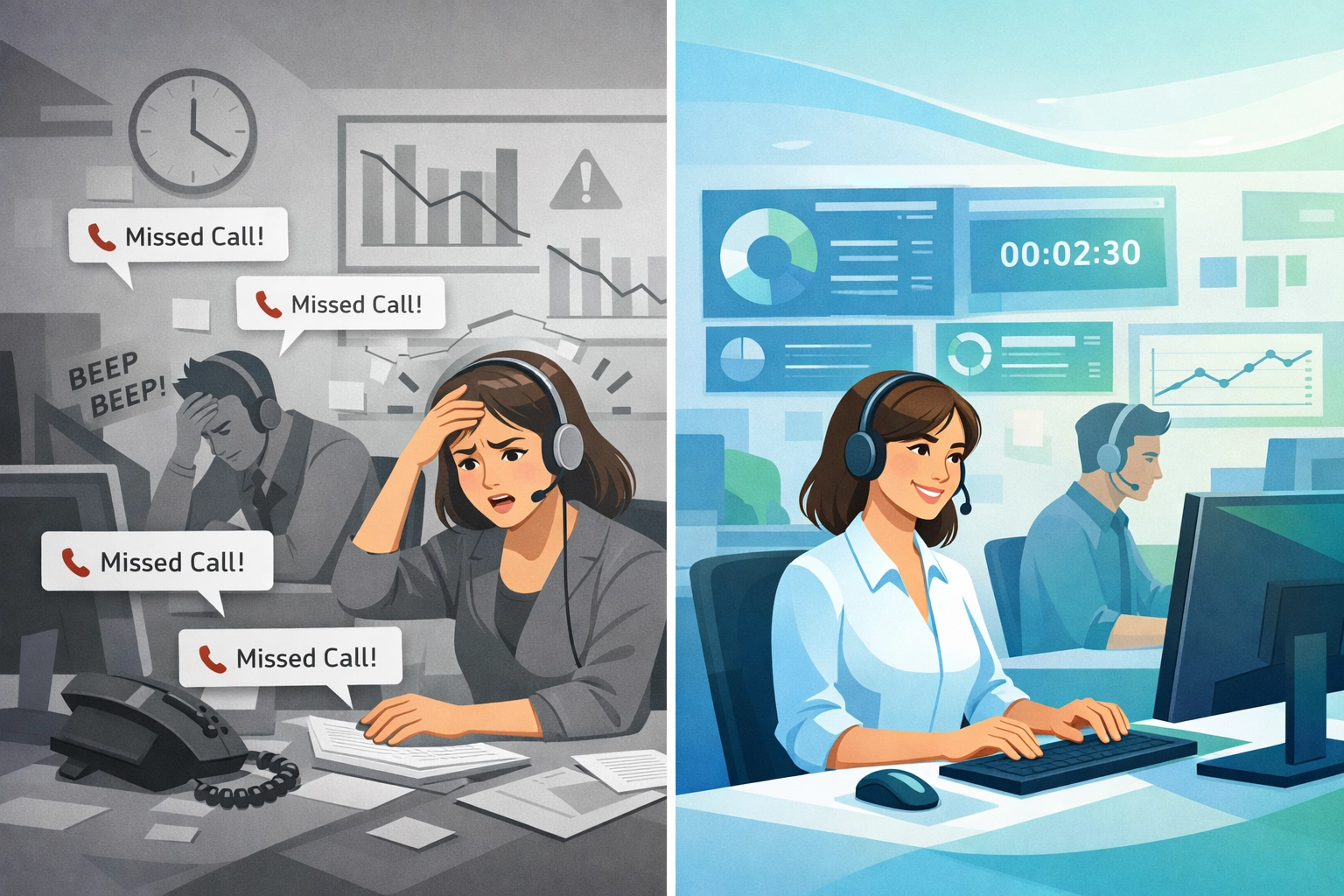
But if your call center drops the ball? If the line rings too long, if the intake specialist sounds rushed or unprepared, if the caller doesn't feel heard: they're gone. And they're not coming back.
According to industry data, people in crisis rarely call more than 2-3 facilities before making a decision. Miss that first call, handle it poorly, or fail to follow up quickly, and you've just handed that admission to your competitor.
The Real Cost of a Mediocre Call Center
Let's break this down with some numbers that should make any facility owner sit up straight:
| Metric | Poor Call Center Performance | Optimized Call Center Performance |
|---|---|---|
| Average Calls Per Month | 200 | 200 |
| Conversion Rate | 15% | 35% |
| Monthly Admissions | 30 | 70 |
| Revenue Per Patient | $25,000 | $25,000 |
| Monthly Revenue | $750,000 | $1,750,000 |
| Annual Revenue Gap | $0 (baseline) | $12,000,000 additional |
That's not a typo. Improving your call center conversion rate from a mediocre 15% to a solid 35% can literally mean millions in additional revenue without spending an extra dollar on marketing.
So why aren't more treatment centers obsessing over this?
What an Optimized Call Center Actually Does
Here's where things get practical. An optimized call center doesn't just answer phones: it creates a seamless, compassionate intake experience that removes friction at every stage.
Converts High-Intent Leads Into Admissions
Every call is an opportunity. Your intake specialists need to be equipped with comprehensive patient data, insurance verification tools, and the training to handle sensitive conversations with empathy and confidence. When someone calls and immediately feels understood, heard, and supported, they're far more likely to move forward with admission.
Maximizes Your Marketing ROI
You're already investing heavily in PPC campaigns and SEO strategies. But if your call center can't close the deal, those marketing dollars are wasted.
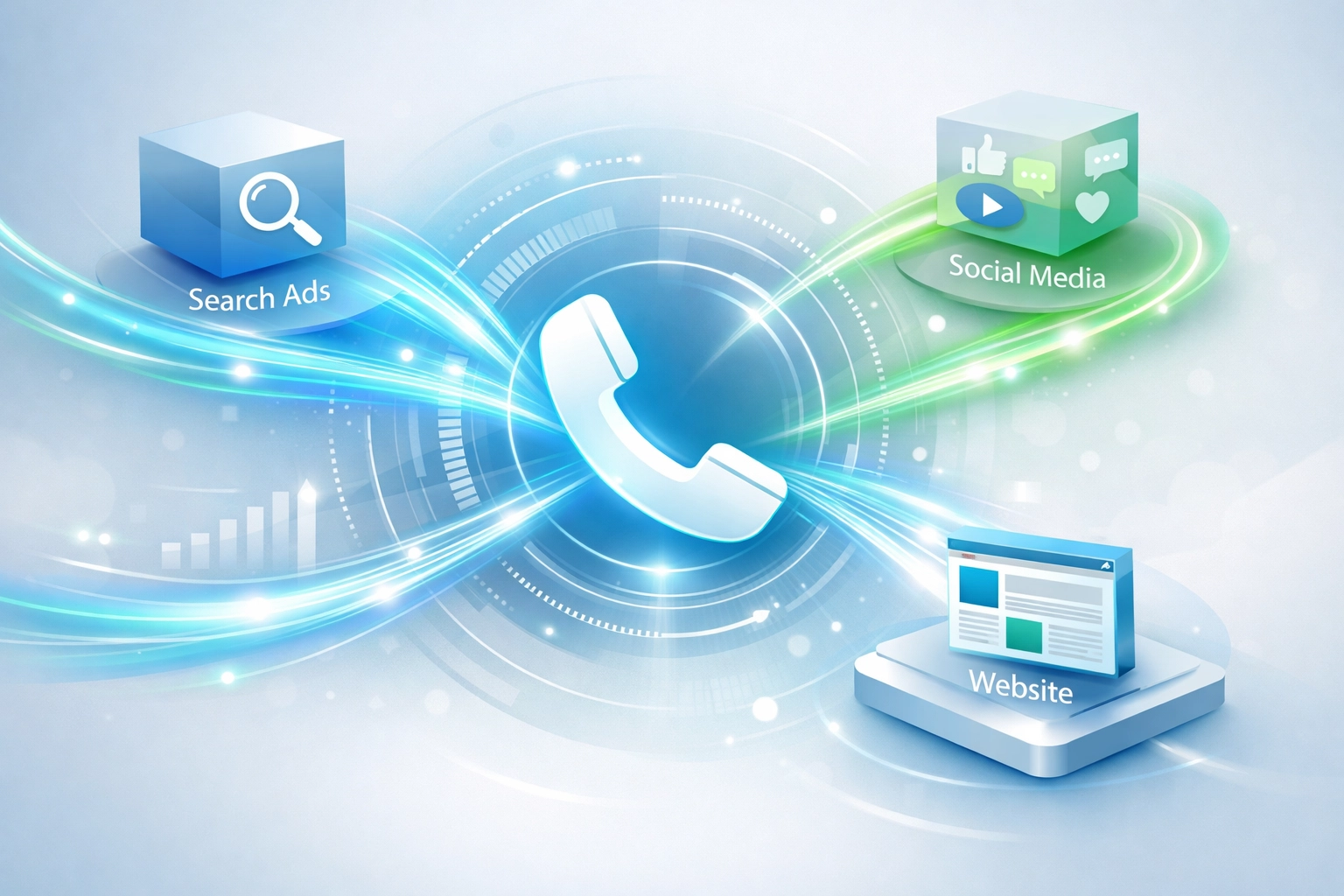
Call tracking and recording reveal exactly which ads, keywords, and channels are driving actual admissions: not just clicks. This data lets you double down on what works and cut what doesn't. Better yet, it helps you train your staff on handling high-value leads with the right approach.
Streamlines the Intake Process
Nobody wants to make three phone calls just to get basic information. An optimized call center handles insurance verification, gathers necessary paperwork, answers questions about treatment modalities, and schedules intake: all in one conversation.
This isn't just convenient for patients. It dramatically reduces no-shows and increases the likelihood that someone actually shows up for admission.
Captures Every Opportunity
Missed calls are missed revenue. Period. But here's what's wild: many treatment centers still rely on voicemail or have limited call center hours.
According to SAMHSA research, many people seeking addiction treatment make their decision to call outside of traditional business hours: evenings, weekends, even late at night during moments of crisis. If you're not available 24/7, you're leaving money (and lives) on the table.
The Marketing Connection You're Probably Missing
Let's connect the dots here. You know that conversion tracking is important for your digital campaigns. But are you tracking what happens after the click?
Most treatment centers obsess over metrics like cost-per-click and website traffic. Those matter, sure. But the real metric that drives growth is cost-per-admission. And that's determined almost entirely by your call center's performance.
Think about it this way: you could have the most beautifully optimized drug rehab marketing campaigns in the world. But if your call center converts at 15% while your competitor converts at 35%, they're winning: even if their marketing is worse than yours.
What Good Call Center Training Actually Looks Like
Here's something most facilities get wrong: they assume anyone with a kind voice and basic phone skills can handle intake calls. That's like assuming anyone who can hold a scalpel can perform surgery.
Effective call center training for addiction treatment includes:
- Crisis de-escalation techniques for handling callers in acute distress
- Insurance verification protocols so callers get clear answers immediately
- Motivational interviewing skills to build trust and rapport quickly
- Objection handling strategies for common barriers like cost, time away from work, or family concerns
- Follow-up systems to stay connected with callers who aren't ready to commit immediately
Your intake specialists should be just as trained and equipped as your clinical staff. Because in many ways, they're the first line of care.
The Data-Driven Growth Strategy
One of the biggest advantages of modernizing your call center is the data it generates. Call recordings, lead source tracking, conversion metrics, average handle time: all of this creates a feedback loop that helps you continuously improve.
For example, if you notice that calls from a specific retargeting campaign have a 50% higher conversion rate than cold traffic, you can allocate more budget there. If you identify that certain objections come up repeatedly, you can train your team to handle them more effectively.
This isn't guesswork. It's strategic, measurable growth.
Stop Leaving Revenue on the Table
Look, I get it. As a treatment center owner, you're juggling clinical quality, regulatory compliance, staffing challenges, and a million other things. It's easy to treat your call center as just another operational box to check.
But that's a costly mistake.
Your call center is where all your marketing efforts converge. It's the moment of truth. The difference between a thriving, growing facility and one that's constantly struggling to fill beds often comes down to this one function.
If you're serious about growth: real, sustainable, profitable growth: you need to treat your call center like the revenue engine it is.
Ready to transform your call center into a growth machine? Our team at Ads Up Marketing specializes in helping treatment centers optimize every step of the patient journey, from the first ad click to admission. We'll help you track, train, and improve your call center performance so you stop losing revenue to missed opportunities.
Call us today at 305-539-7114 or contact us here to schedule a free consultation. Let's talk about how we can help you capture every admission opportunity that comes your way.
Because every call is a life. And every life is worth fighting for.