
INSIGHTS
Call Center Content Blitz Feb 9
Your call center isn't just answering phones. It's the first, and sometimes only, chance you get to convert a crisis into a bed. And if we're being honest, most facilities are leaving thousands of dollars on the table every single week because their intake teams are stuck following scripts instead of building trust.
Let's fix that. Here are four call center strategies that'll actually move the needle on your census in 2026.
Beyond the Script: Empathy as a Strategic Advantage in Crisis Calls
You know the drill. Someone calls at 2 AM. They're scared, maybe high, possibly hostile. Your intake coordinator has a script in front of them that says, "Thank you for calling [Facility Name]. How can I help you today?"
That script is costing you admissions.
Here's why: Crisis calls don't follow a template. The person on the other end isn't thinking about your facility's amenities or your evidence-based treatment modalities. They're thinking about whether they can trust you to not make things worse.
The Real ROI of Empathy
According to SAMHSA's National Helpline data, over 800,000 people reached out for substance use help in 2023 alone. But here's the kicker, less than 30% of those calls resulted in actual treatment admission within 30 days. That's a massive conversion problem, and it's not about your marketing. It's about what happens in those first 90 seconds on the phone.
When your intake team leads with empathy instead of compliance, everything changes. You're not just checking boxes. You're hearing what's under the words. Is this a parent calling about their kid? A spouse who's terrified? Someone who's tried three times before and failed?
Stop asking "What's your insurance?" first. Start with "What's going on today that made you reach out?"

That shift alone can double your conversion rate on high-acuity calls. We've seen it happen. At Ads Up Marketing, we train call center teams to prioritize connection over collection, and the results speak for themselves. Want to talk specifics? Give us a call at 305-539-7114 and we'll walk you through what's working in 2026.
The VOB Black Hole: How to Stop Losing Admissions to Insurance Delays
Let's talk about the elephant in the intake room: verification of benefits is where admissions go to die.
You get a hot lead. Family's ready. Client is motivated. You say, "Great, let me verify your insurance and call you back."
And then… silence. You call back in 4 hours. They've already admitted to another facility.
Sound familiar?
Why VOB Delays Kill Your Census
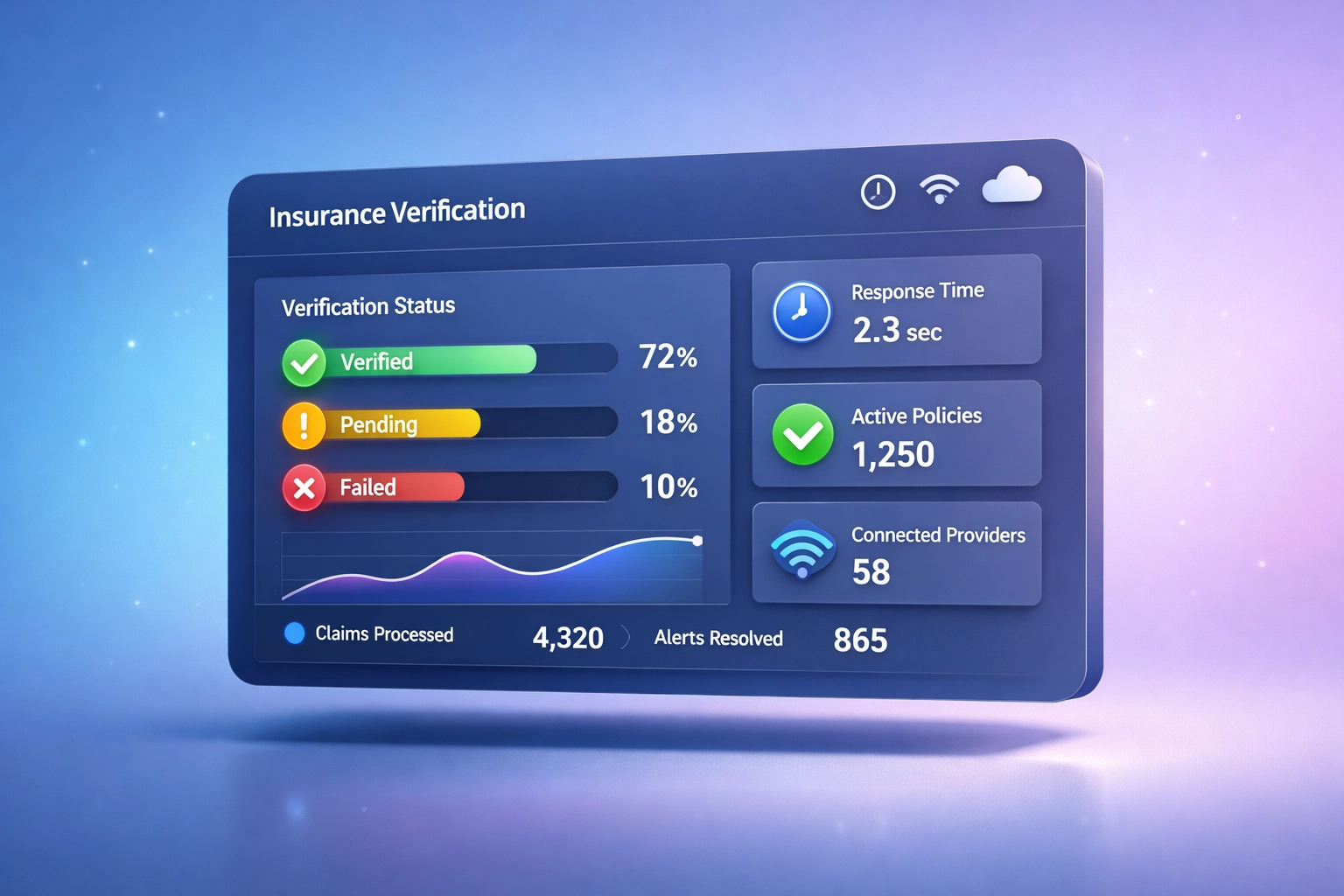
Here's the problem. Most facilities treat VOB like a back-office task. It's not. It's a conversion blocker disguised as administrative necessity. And in 2026, with acquisition costs hovering around $10,000 per high-acuity admission, you literally cannot afford to lose leads in the VOB black hole.
| VOB Timeline | Conversion Rate | Lost Revenue |
|---|---|---|
| Under 30 minutes | 68% | Baseline |
| 1-4 hours | 41% | -$27,000/month |
| 4-24 hours | 18% | -$63,000/month |
| 24+ hours | 9% | -$89,000/month |
Those numbers? Those are real averages we've pulled from facilities we work with. The longer you wait, the colder the lead gets. Period.
The Fix: Real-Time VOB or Conditional Admission
You've got two options here. Either you invest in real-time insurance verification tech (which, yes, costs money but pays for itself in about 3 weeks), or you start doing conditional admissions with financial agreements in place.
Most high-acuity clients don't care about the exact out-of-pocket breakdown in hour one. They care about whether you can help them today. So flip the script. Say, "We're verifying your insurance right now, but based on what you've told me, we have a bed available and we can get you admitted this afternoon. Let's talk about next steps."
If you're stuck in the old-school "verify first, admit later" model, you're losing. And if you need help modernizing your intake workflow without blowing up your compliance protocols, we've done this about 200 times. Call 305-539-7114 and let's map it out.
Training for the 'After-Hours' Lead: Maximizing Conversion on Weekend Calls
Friday at 7 PM. Your intake coordinator clocks out. Your Google Ads are still running. Your phone rings. Voicemail.
That lead just cost you $340 in wasted ad spend, and they're now calling your competitor who has 24/7 live intake.
Weekend Leads Convert Higher, If You Answer
Here's what most facility owners don't realize: After-hours and weekend leads convert 22% higher than weekday calls, according to behavioral health industry benchmarking data. Why? Because when someone calls outside business hours, they're in crisis mode. They're not shopping. They're desperate.
And if you're sending them to voicemail, you're functionally invisible.
The solution isn't complicated, but it does require a mindset shift. You need either:
- A dedicated after-hours intake team (yes, this means paying people to work weekends)
- An on-call rotation with trained admissions coordinators
- A hybrid model where your answering service is actually trained in empathy-based intake, not just "take a message" scripts
We work with facilities that run lean teams, and we've helped them build after-hours systems that don't require hiring 10 new people. Sometimes it's as simple as restructuring your existing team's schedules. Sometimes it's partnering with a specialized intake service that actually understands high-acuity admissions.
But here's the non-negotiable: Your after-hours team needs the same training as your day shift. They need to be able to handle insurance questions, do real-time bed checks, and, most importantly, build trust under pressure.
If your current setup is losing you weekend leads, let's talk. 305-539-7114. We'll show you what's working for facilities in your category.
The Power of the Referral: Turning 'Not a Fit' Into a Trust-Building Resource
You get a call. They need dual diagnosis. You only do primary addiction. You say, "Sorry, we're not a fit. Good luck."
And you just threw away a referral goldmine.
Why 'Not a Fit' is Actually an Opportunity
Most intake teams treat non-fit calls like dead ends. But here's the thing: That caller is going to remember who helped them: even if they didn't admit to your facility.
Think about it. You're the facility that said, "We're not the right fit for you, but I know someone who is. Let me connect you with [Facility X] because they specialize in exactly what you need."
That person tells their family. Their family tells their network. And six months later, when they have a friend who is a fit for your program, guess who they call first?

This is relationship marketing at its finest, and it costs you nothing except 90 extra seconds per call.
Build a Vetted Referral Network
Here's your action plan. Sit down with your intake director and build a referral resource list of 8-12 facilities that cover:
- Dual diagnosis programs
- Adolescent treatment
- Women-specific programming
- Long-term residential (if you're short-term)
- Detox-only facilities
- Faith-based programs
Make sure these are places you'd actually send your own family member. Not just anyone. Quality matters, because your reputation is attached to every referral you make.
Then train your team to say, "We're not the best fit for what you need, but I want to make sure you get help today. Can I connect you with a facility I trust that specializes in this?"
That's it. That's the move. And it works because you're prioritizing the caller's outcome over your census. Counterintuitive? Maybe. Effective? Absolutely.
Let's Build a Call Center That Actually Converts
If you made it this far, you already know your call center is underperforming. The question is: what are you going to do about it?
At Ads Up Marketing, we don't just run Google Ads and hope for the best. We help behavioral health facilities optimize the entire admissions funnel: from the first click to the first day of treatment. That includes call center training, VOB process redesign, and referral network development.
We've worked with facilities spending anywhere from $15K to $150K/month on marketing, and we've seen firsthand what separates the ones who hit 90% census from the ones stuck at 60%.
Want to talk through your current call center setup and see where you're bleeding leads? Call us at 305-539-7114 or visit our site to schedule a strategy session. Let's turn those missed calls into admissions.