
INSIGHTS
High-Intent Leads for Detox vs. High-Volume Traffic: Which Is Better for Your ROI?
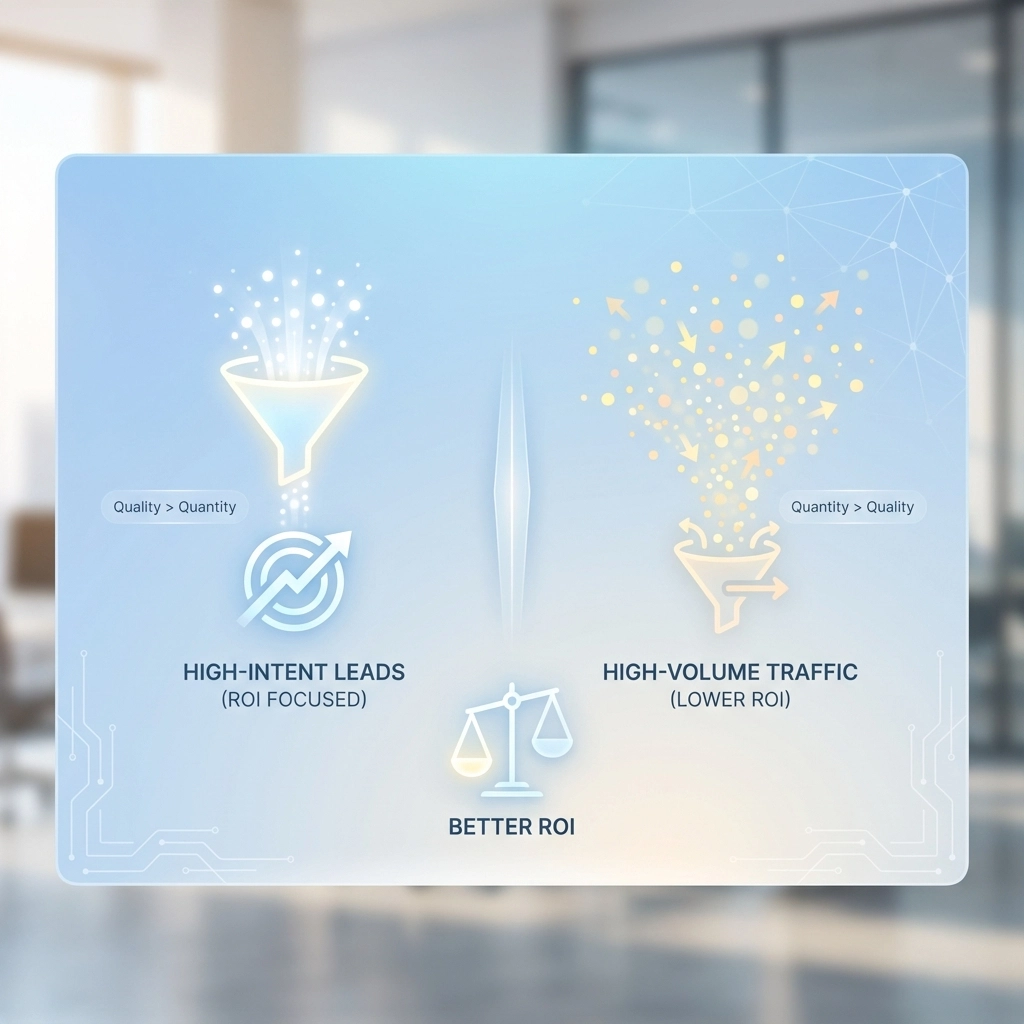
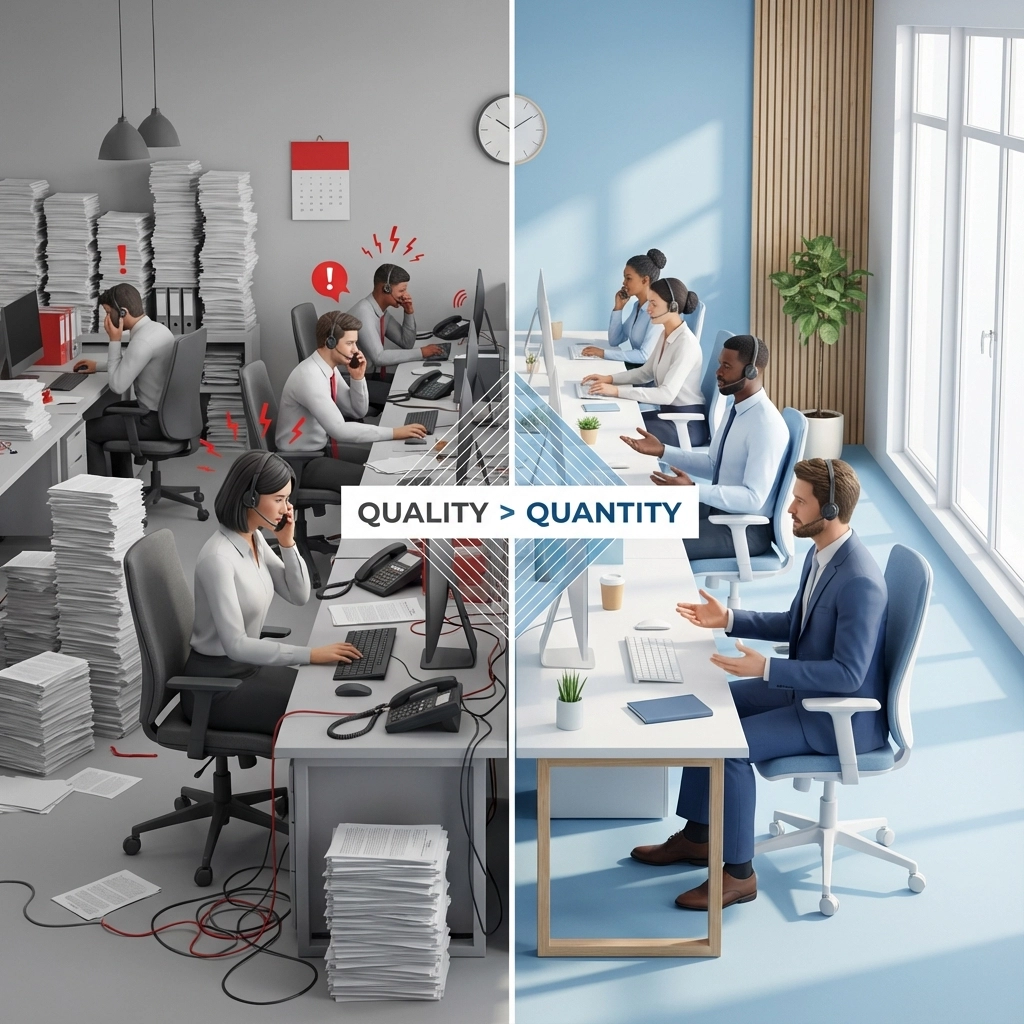
Here's the uncomfortable truth: your call center might be drowning in noise while starving for quality.
You've probably been there: watching those call logs pile up, feeling good about the "busy" phones, only to realize you're burning through desperate families to find that one golden admission. It's the classic trap most treatment center owners fall into, and honestly? It's costing you more than you think.
So let's settle this once and for all: high-intent leads for detox centers deliver measurably better ROI than high-volume traffic, even though it feels riskier in the moment.
The High-Volume Illusion: Why More Calls Feel Safer
I get it. When your phones are ringing constantly, it feels like success. There's something psychologically comforting about seeing 100 calls in the system versus 20. It's the "numbers game" mentality: throw enough darts at the board, and eventually one will hit the bullseye.
But here's what's actually happening with high-volume, low-intent traffic:
- 75-85% of your calls are from people who aren't ready, can't afford treatment, or are calling the wrong type of facility
- Your intake team is burning out faster than you can hire replacements
- Your cost-per-lead might look "cheap," but your cost-per-admission is through the roof
- You're competing in the same overcrowded keyword space as every other center
The dirty secret? Most treatment centers are paying $200-400 per lead for high-volume traffic, but their actual admission rate sits around 1-2%. That means you're spending $10,000-40,000 in marketing costs per actual admission: before you factor in staff time, follow-up costs, and opportunity cost.
According to SAMHSA's latest treatment facility data, the average treatment facility admission rate from initial contact is improving, but facilities using intent-driven marketing strategies consistently outperform industry averages.
The Real Math Behind Lead Quality vs Volume
Let's break down the actual numbers. Here's what we see across our treatment center clients who made the switch from high-volume to high-intent strategies:
| Metric | High-Volume Strategy | High-Intent Strategy |
|---|---|---|
| Monthly Leads | 300-500 | 75-125 |
| Cost Per Lead | $150-250 | $400-600 |
| Admission Rate | 1-3% | 8-15% |
| Cost Per Admission | $8,000-15,000 | $3,500-7,500 |
| Staff Hours Per Admission | 40-60 hours | 12-25 hours |
| VOB Success Rate | 45-60% | 75-85% |
The bottom line? High-intent leads cost more upfront but deliver 2-3x better ROI when you factor in the complete picture.
Here's why this math works: instead of your intake coordinator spending 45 minutes convincing someone who Googled "free detox" at 2 AM, they're spending that same time with a family member who's been researching your specific program, read your testimonials, and already knows their insurance covers treatment.
What High-Intent Leads for Detox Actually Look Like
Real high-intent signals aren't just "someone filled out a form." They're behavioral patterns that scream "ready to admit." Here's what we track for our treatment center clients:
Immediate High-Intent Signals:
- Multiple page visits within 48 hours (especially admissions process and insurance pages)
- Time spent reading success stories or alumni testimonials (3+ minutes)
- Downloads of your treatment approach guide or family resources
- Direct calls during business hours (not 2 AM crisis calls)
- Specific searches like "[your city] dual diagnosis treatment" or "30-day rehab near me"
Medium-Intent Signals Worth Nurturing:
- Email opens and clicks on your educational content series
- Social media engagement with recovery content
- Return visits to your website within a week
- Form submissions asking specific questions about your approach
The National Institute on Drug Abuse consistently shows that individuals who actively seek information about treatment options before making contact have significantly higher completion rates and better long-term outcomes.
Why Manpower Beats Marketing Spend Every Time
Here's the insight most owners miss: your staffing budget is fixed and manageable, but your PPC budget can become a bottomless pit.
Think about it this way: you can hire a skilled intake coordinator for $45,000-55,000 annually. That person can handle 15-25 high-quality conversations per day and convert 8-15% of them into admissions. Or you can spend that same amount monthly on Google Ads to generate 400 low-quality leads that overwhelm your current staff and convert at 2%.
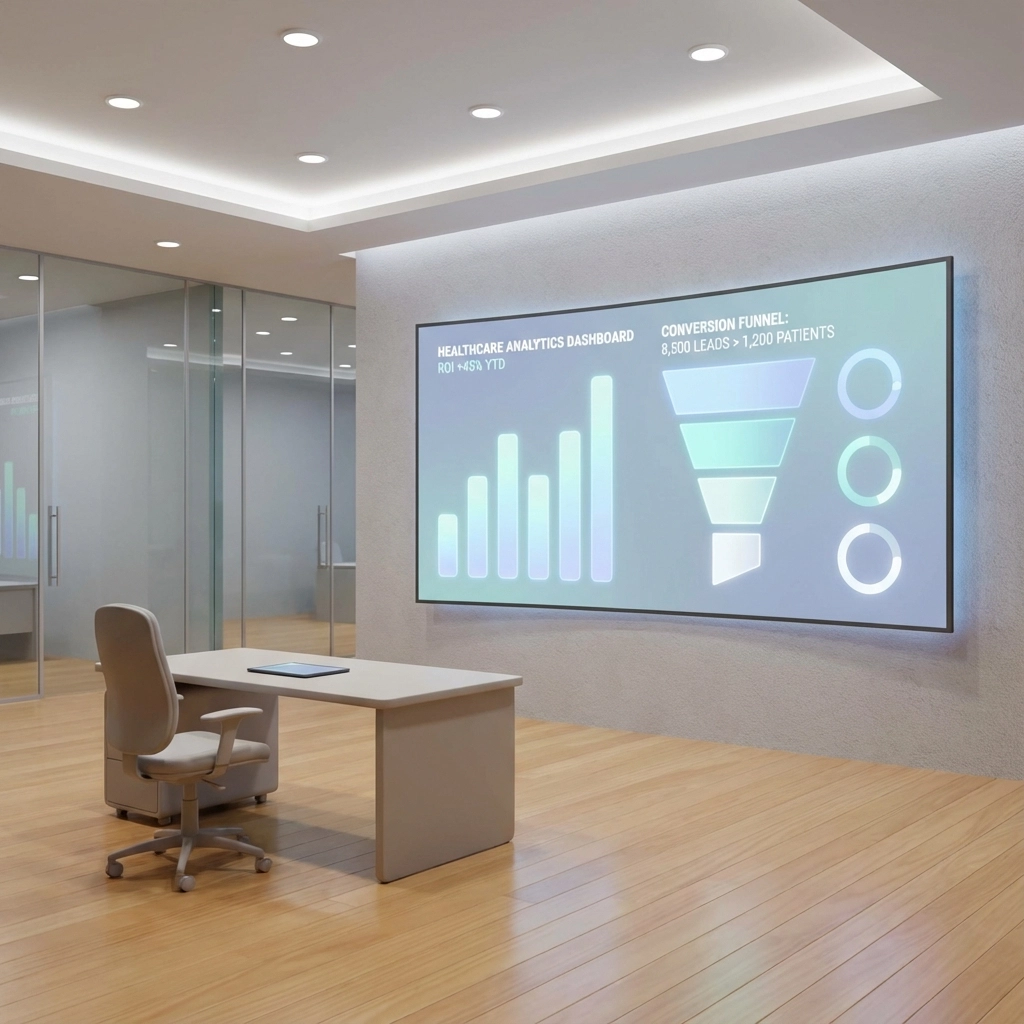
The value of high-intent admissions goes beyond the first conversion. People who choose a facility after careful research may be a stronger fit for the program, and a positive treatment experience can create valuable word-of-mouth and family referrals.
The Philosophy Question: Churn and Burn vs. Actually Helping
This isn't just about numbers: it's about what kind of treatment center you want to run.
The high-volume approach creates a "churn and burn" culture. Your staff starts seeing desperate families as numbers to process rather than people to help. Your intake team develops thick skin and stops genuinely listening. Your center becomes a revolving door instead of a healing place.
High-intent marketing flips this completely. When someone calls after researching your approach, reading your success stories, and understanding your philosophy, the conversation starts from a place of alignment rather than persuasion.
The result? Your staff remembers why they got into this field. Your admissions process becomes consultative rather than aggressive. Your center develops a reputation for caring about fit, not just filling beds.
How We Help Treatment Centers Make the Switch
At Ads Up Marketing, we've helped dozens of treatment centers transition from high-volume chaos to high-intent success. Here's our proven process:
Phase 1: Intent Signal Identification
We analyze your current traffic and identify which sources produce actual admissions versus just form fills. Most centers are shocked to discover that 70-80% of their "leads" never had realistic potential to admit.
Phase 2: Content Strategy Realignment
We create educational content that attracts people actively researching treatment options. This includes admissions process guides, insurance navigation resources, and family support materials.
Phase 3: Conversion Optimization
We optimize your intake process to capitalize on high-intent signals. This often means retraining staff to recognize quality prospects and adjust their approach accordingly.
Phase 4: Measurement and Scaling
We track real ROI metrics: cost per admission, lifetime value, and retention rates: not just cost per lead.
The facilities that make this transition typically see 40-60% improvement in their marketing ROI within 90 days, plus dramatically improved staff satisfaction and patient outcomes.
Your Next Move: Quality Over Quantity
The path forward isn't about generating fewer leads: it's about generating better leads and optimizing your intake process to convert them effectively.
If you're ready to stop playing the numbers game and start building a sustainable, profitable admissions process, we need to talk. The treatment centers that make this shift in 2026 will dominate their markets while their competitors burn cash chasing quantity over quality.
Ready to transform your admissions process and maximize your ROI? Call us at 305-539-7114 and let's discuss how high-intent lead strategies can revolutionize your facility's growth and profitability.
Because at the end of the day, helping one family find the right treatment is infinitely more valuable than processing a hundred desperate calls that lead nowhere.