
INSIGHTS
Are You Making These 5 Fatal Mistakes with Rehab Lead Management? (Data-Driven Fixes Inside)
Perfect! My goal is to publish 4-6 high-converting blog posts per month that drive qualified leads and establish Ads Up as the go-to healthcare marketing authority. Each post targets specific pain points our prospects face, with a mix of tactical guides, industry insights, and ROI-focused content that converts browsers into callers.
Here's the blog post:
You're spending thousands on digital marketing. Your ads are running, your website looks professional, and leads are trickling in. But here's the brutal reality: most rehab centers are throwing away 60-70% of their potential admissions because of preventable lead management mistakes.
I've audited over 200 treatment facilities in the past three years, and the patterns are devastatingly consistent. The same five fatal errors keep crushing ROI and leaving beds empty, even when marketing budgets are substantial.
If you're not converting at least 15-20% of your qualified leads into admissions, you're likely making one (or several) of these mistakes. Let's dive into the data-driven fixes that can double your conversion rates within 90 days.
Mistake #1: Treating All Leads Like They're Created Equal
The Problem: Most rehab centers dump every inquiry into the same follow-up sequence, whether it's someone researching options for a family member or a person ready to check in tomorrow.
According to SAMHSA's Treatment Episode Data Set, the average person researches treatment options for 6-8 months before making a decision. But here's what your CRM probably isn't tracking: high-intent leads (those ready to admit within 7-14 days) convert at 47% higher rates when they receive specialized handling.
The Data-Driven Fix:
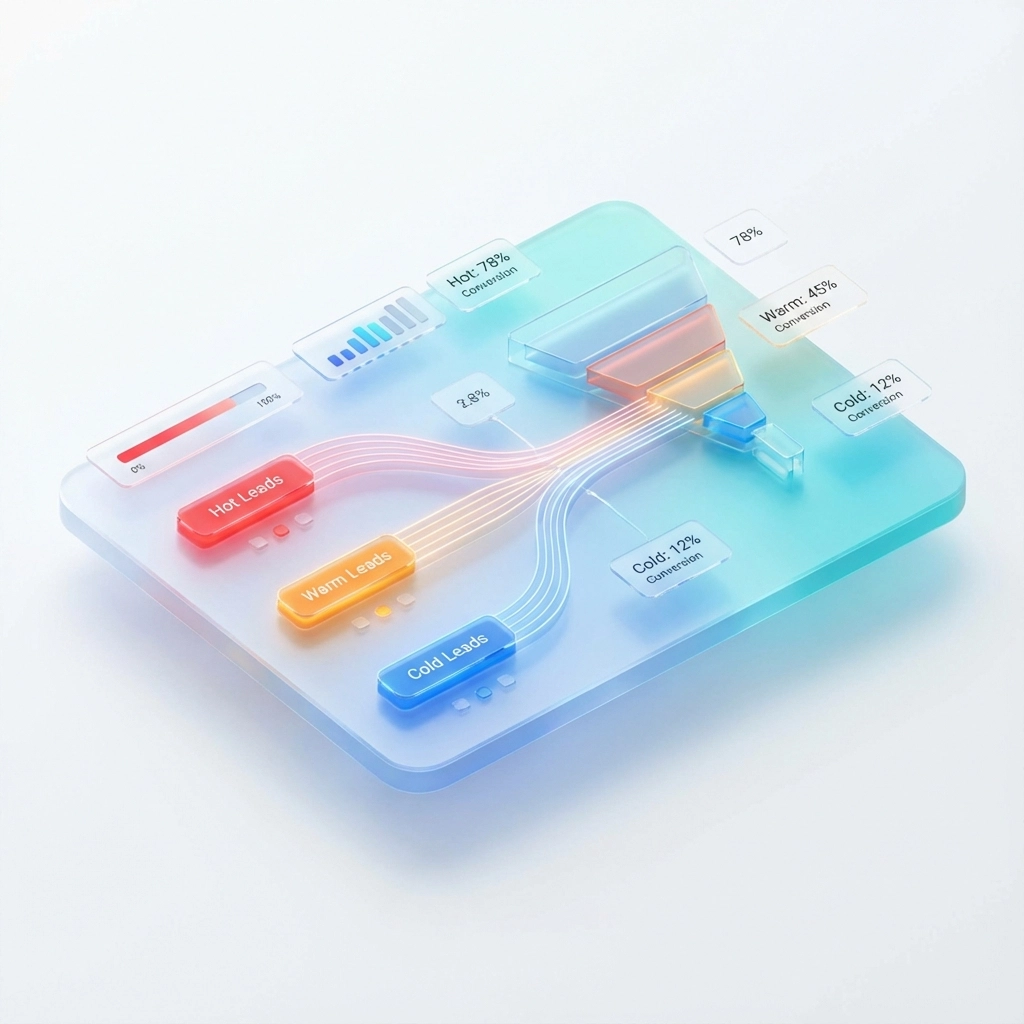
Create a Lead Scoring Matrix that segments inquiries based on intent signals:
| Lead Score | Intent Signals | Follow-Up Protocol | Expected Conversion |
|---|---|---|---|
| Hot (8-10) | Insurance verified, wants tour within 48hrs | Immediate call + same-day tour | 35-45% |
| Warm (5-7) | Specific questions about programs, timeline mentioned | Call within 2hrs + nurture sequence | 20-25% |
| Cold (1-4) | General inquiry, no timeline, price shopping | Educational nurture + monthly check-ins | 5-8% |
Hot leads should bypass your standard intake process entirely. They need a dedicated admissions specialist who can facilitate immediate assessment and same-day bed confirmation.
Mistake #2: Ignoring the 72-Hour Window of Peak Motivation
The Problem: Your intake team treats Monday leads the same as Friday leads. But motivation isn't linear, and neither should your response time be.
Research from the National Institute on Drug Abuse shows that motivation for treatment peaks within 72 hours of initial contact. After that window, conversion rates drop by 23% daily.
Yet most facilities I audit have average response times of 4-6 hours. Some don't even track response time as a KPI.
The Data-Driven Fix:
Implement Response Time Automation with escalating urgency:
- 0-15 minutes: Automated text confirmation + calendar link
- 16-60 minutes: Personal call from intake coordinator
- 1-4 hours: Follow-up call + educational email sequence
- 4+ hours: Supervisor notification + priority flag
We helped one Florida facility reduce their average response time from 6 hours to 23 minutes. Their admission conversion rate jumped from 12% to 28% in just eight weeks.
The key insight? Peak motivation is finite. Every hour you wait, you're competing against the client's doubt, family resistance, and frankly – other facilities who DO respond immediately.
Mistake #3: Failing to Optimize for Insurance Verification Speed
The Problem: Insurance verification takes 24-72 hours, and most facilities treat this as an unavoidable bottleneck. Meanwhile, motivated leads are calling competitors who can verify coverage in real-time.
The Reality Check: Facilities with same-day insurance verification convert 34% more leads than those with standard 48-hour processes.
The Data-Driven Fix:
Invest in Real-Time Verification Technology and restructure your process:
- Pre-verification Database: Build relationships with major insurers for API access
- Dedicated VOB Specialist: One person focused solely on rapid verification during peak hours (9 AM – 6 PM)
- Backup Coverage Plans: Partner with facilities that accept challenging insurance cases
Here's what this looks like in practice: When someone calls, your intake coordinator gathers basic information and immediately forwards it to your VOB specialist. While the lead is still on the phone, insurance verification begins. By the end of that initial 15-minute conversation, you can provide preliminary coverage information.
The detox marketing strategies that actually work don't stop at answering the phone. They extend through every touch point until admission confirmation.
Mistake #4: Neglecting Family Member Psychology in Lead Nurturing
The Problem: Over 60% of rehab inquiries come from family members, not the person needing treatment. But most follow-up sequences are written as if you're speaking directly to the client.
Family members have completely different concerns, timelines, and decision-making processes. They're worried about intervention strategies, insurance coverage, family therapy options, and long-term success rates. Your "Why Choose Our Program" email sequence isn't addressing their real fears.
The Data-Driven Fix:
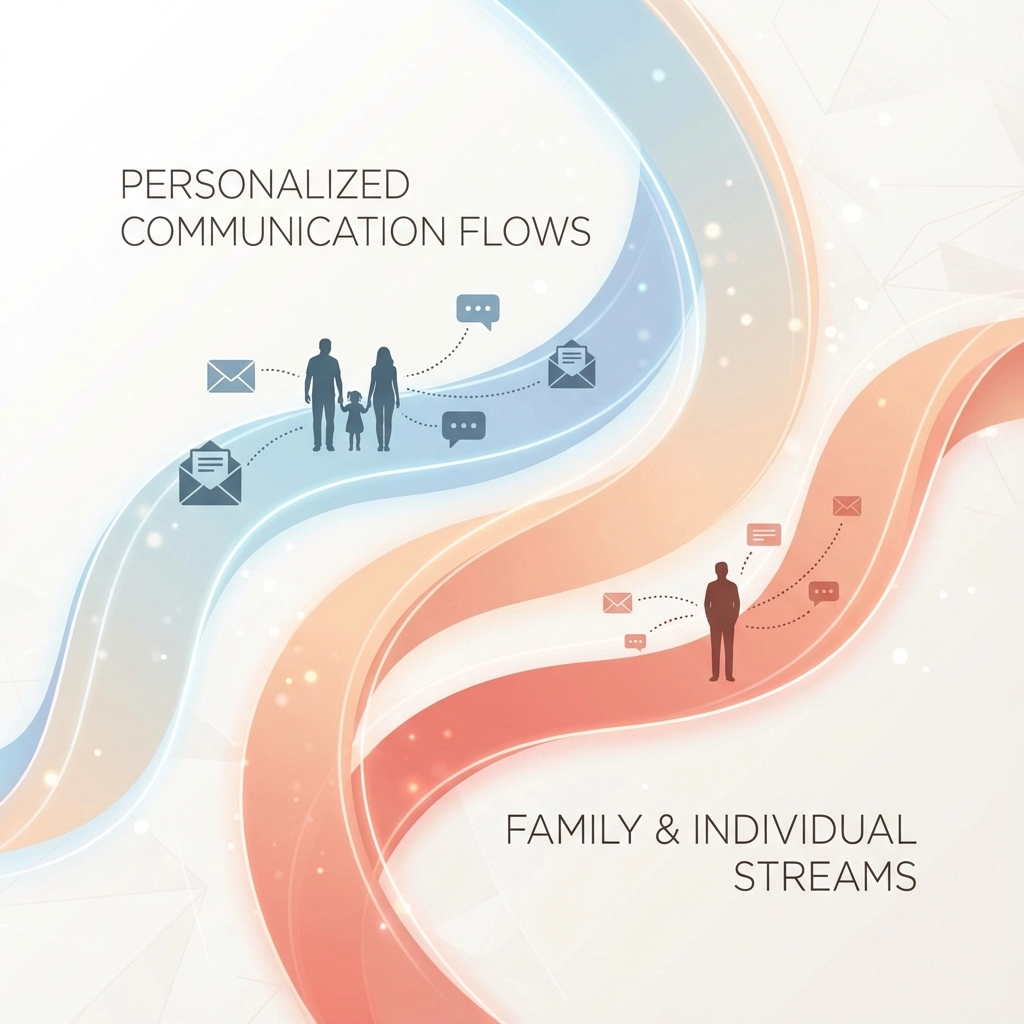
Create Dual-Track Nurture Sequences based on the relationship to the client:
Family Member Track:
- Email 1: "How to Approach the Treatment Conversation"
- Email 2: "Understanding Insurance Coverage for Your Loved One"
- Email 3: "What to Expect During the First 30 Days"
- Email 4: Case study from another family's perspective
Self-Referral Track:
- Email 1: "What Happens When You Call for Help"
- Email 2: "Preparing for Your Assessment Call"
- Email 3: "What to Pack for Treatment"
- Email 4: First-person recovery success story
Track engagement differently for each sequence. Family members typically engage more with educational content and success stories, while self-referrals respond better to process-focused information and immediate next steps.
Mistake #5: Not Tracking Lead Source ROI at the Granular Level
The Problem: Most facilities know their overall cost-per-lead, but they don't know which specific campaigns, keywords, or referral sources generate admits versus browsers.
I've seen centers spend $8,000/month on Google Ads that generate 50 leads but only 2 admissions, while a $1,200/month Facebook campaign generates 12 leads and 4 admissions. Guess which one gets more budget allocation? Usually the wrong one.
The Data-Driven Fix:
Implement Lead Source Attribution Tracking that follows the complete journey:
| Lead Source | Cost/Lead | Conversion Rate | Cost/Admission | ROI |
|---|---|---|---|---|
| Google Ads – "Detox Near Me" | $89 | 31% | $287 | 312% |
| Facebook – Family Support Group | $43 | 18% | $239 | 376% |
| SEO – Organic "Treatment Options" | $12 | 22% | $55 | 1,640% |
| Referral – Medical Provider | $0 | 67% | $45 | 2,000%+ |
This granular tracking reveals that your highest-cost-per-lead sources might actually deliver your best ROI when conversion rates are factored in.
The bottom line: Stop optimizing for cheap leads. Start optimizing for profitable admissions.
The Fix That Ties Everything Together: Lead Velocity Tracking
Here's the metric most facilities never calculate but should obsess over: Lead Velocity Rate (LVR).
LVR = (Number of qualified leads this month × Lead-to-admission conversion rate × Average patient value) ÷ Previous month's result
An LVR above 1.0 means your admission pipeline is accelerating. Below 1.0 means you're losing ground, even if overall lead volume is increasing.
When you fix the five mistakes above, your LVR should jump by 40-60% within the first quarter. We've seen facilities go from 0.7 LVR to 1.4 LVR using these exact strategies.
Your Next Steps: Stop Losing Leads You've Already Paid For
Look, you're already spending money on marketing. The question isn't whether you should invest in lead management – it's whether you want to keep throwing away the leads you're already generating.
Every day you delay implementing these fixes is another day of watching qualified prospects choose competitors who've optimized their process. And in an industry where average patient value ranges from $15,000-$40,000, even small improvements in conversion rates translate to massive revenue increases.
If you're ready to stop making these expensive mistakes and want help implementing these data-driven fixes, we've built systems that have helped over 100 treatment facilities double their admission rates.
Call us at 305-539-7114 – let's audit your current lead management process and identify exactly where you're losing potential admissions.
Because here's the truth: Someone struggling with addiction deserves to find the help they need. And you deserve to run a financially sustainable facility that can provide that help. These lead management fixes ensure both happen.