
INSIGHTS
Lead Management: The Missing Link to ROI
I’ve seen facilities spend $100k a month on the world's best marketing, only to have it fail because of a broken intake process. It doesn't matter if a lead costs $50 or $500: if your team doesn't answer the phone or follow up within five minutes, that money is gone.
In 2026, rehab lead management is a technical discipline. You need a CRM that tracks every touchpoint and an intake team that understands the anatomy of a 3 AM crisis call.
The VOB Bottleneck
The fastest way to kill your ROI is a slow Verification of Benefits (VOB) process. If a lead from a Meta ad calls in at 7 PM and you can’t verify their insurance until 9 AM the next morning, they have already called three other facilities. Your VOB process is often your biggest marketing bottleneck.
To truly thrive, you must:
- Implement SMS Follow-ups: Use TCPA-compliant SMS to keep leads engaged while they wait for clinical approval.
- Train for Empathy: Remember, these are people in pain. Your intake team shouldn't sound like a collection agency; they should sound like a lifeline.
- Speed to Lead: In 2026, if you aren't responding within 2 minutes, your conversion rate drops by 80%.
Conclusion: Diversify or Decline
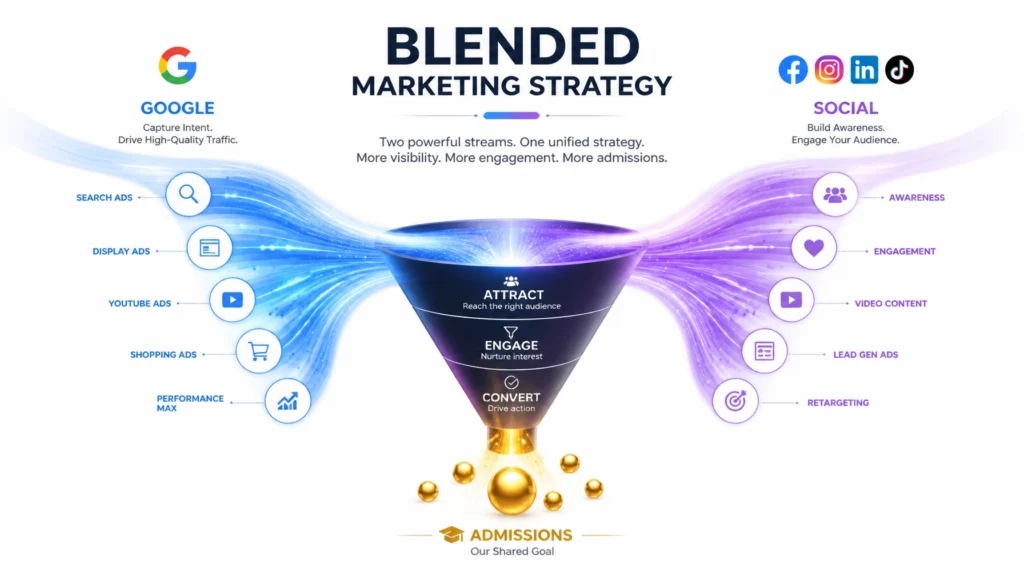
The economics of rehab marketing have changed. Google is no longer the "only game in town": it is now the expensive, high-intent foundation upon which you must build a more diversified strategy.
By leveraging the lower costs and high scalability of social media, and backing it up with a relentless call center process, you can scale your admissions without destroying your margins. According to the NAATP, ethical, data-driven marketing is the key to sustainable growth in this competitive era.
Don't let rising Google costs slowly squeeze your facility out of the market. You need a partner who understands the nuance of behavioral health, the complexity of HIPAA compliance, and the data required to win.
Talk to us about a multi-platform solution today. We’ve managed over $100 million in PPC spend, and we know exactly where the "low-hanging fruit" is in 2026.